Salmon is a nutritious and delicious fish that is popular in many cuisines around the world. However, like many other types of fish, salmon can contain varying levels of mercury, which can be harmful to human health if consumed in excessive amounts. In this article, we will explore which salmon does not have mercury and how to enjoy this nutritious fish without the risk of mercury toxicity.
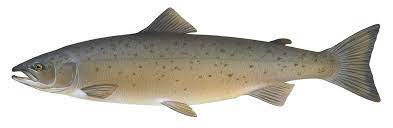
Firstly, it is important to note that all types of fish, including salmon, can contain some level of mercury. This is because mercury is a naturally occurring element that is found in the earth’s crust and can be present in water and soil. However, some types of fish are known to contain higher levels of mercury than others, due to their size, diet, and habitat.
In general, larger fish that are higher up in the food chain tend to accumulate more mercury in their bodies. This is because they consume smaller fish that also contain mercury, which accumulates in their tissues over time. As a result, larger species of salmon, such as king salmon or chinook salmon, are more likely to contain higher levels of mercury than smaller species such as pink salmon or sockeye salmon.
However, it is important to note that the level of mercury in salmon can also vary depending on where and how it was caught. For example, salmon that is caught in polluted waters or near industrial areas may contain higher levels of mercury than salmon that is caught in cleaner waters.
To reduce your exposure to mercury when consuming salmon, it is recommended to choose smaller species of salmon, such as pink salmon or sockeye salmon, which tend to contain lower levels of mercury. These species are also generally more sustainably caught, making them a more environmentally friendly choice.
Another option is to choose wild-caught salmon over farmed salmon. While both types of salmon can contain mercury, farmed salmon is often fed a diet that includes fish meal and other sources of mercury, which can increase the mercury content of the fish. Wild-caught salmon, on the other hand, tends to have a more varied diet and can be a safer choice when it comes to mercury exposure.
In addition to choosing the right type of salmon, it is also important to prepare and cook it in a way that minimizes the risk of mercury exposure. This can include:
- Removing the skin and fat: Mercury tends to accumulate in the skin and fat of fish, so removing these parts can help reduce your exposure.
- Cooking at lower temperatures: High-heat cooking methods such as frying or grilling can cause mercury to vaporize and be released into the air, so it is best to cook salmon at lower temperatures such as baking or poaching.
- Limiting portion sizes: Consuming large amounts of salmon, or any type of fish, can increase your exposure to mercury. It is recommended to limit your intake of salmon to 2-3 servings per week, and to choose other types of fish or seafood to vary your diet.
In conclusion, while all types of salmon can contain some level of mercury, choosing smaller species of salmon and wild-caught salmon can help reduce your exposure. It is also important to prepare and cook salmon in a way that minimizes the risk of mercury exposure, and to limit your portion sizes to avoid consuming excessive amounts of mercury. By following these guidelines, you can safely enjoy the many health benefits of salmon without the risk of mercury toxicity.