Throughout various cultures and belief systems, there have been goddesses associated with the concept of death and the afterlife. These divine beings are often connected with transformation, rebirth, and the mysteries of the afterlife.
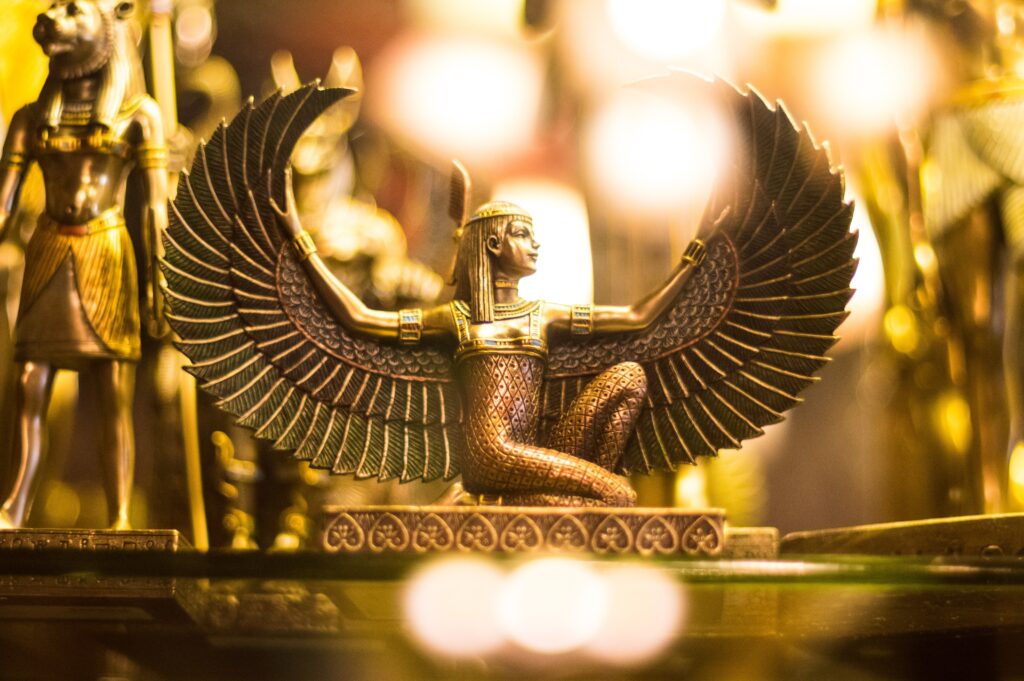
In Norse mythology, Hela was the goddess of death and ruled over the underworld realm of Hel. She was known for her ability to control the dead and was often depicted with a staff or scepter. Hela’s appearance was described as half-dead, with one side of her body being skeletal.
Kali is a Hindu goddess associated with destruction and change. She is depicted wielding a sword or other weapon, and is seen as a fierce protector against evil. Kali’s necklace of skulls and her consumption of her enemies’ blood symbolize her power over death.
Anubis was an ancient Egyptian god often depicted as a jackal or a man with a jackal’s head. He was responsible for guiding the souls of the dead through the underworld and was associated with mummification. Anubis would weigh the hearts of the dead against a feather to determine their worthiness for the afterlife.
In Greek mythology, Hecate was a goddess associated with death and magic. She held the keys to the underworld and was known to transform herself into various forms, such as dogs or snakes. Persephone, daughter of Demeter, was also a Greek goddess associated with death and the underworld. She spent half of each year in the underworld with Hades and the other half above ground with her mother, Demeter. Persephone’s time in the underworld was associated with winter, while her return to the surface marked the arrival of spring.
In conclusion, goddesses of death have appeared in various mythologies and religions throughout history. They are often associated with the journey from life to death and beyond, and with the themes of transformation and rebirth. Though each goddess is unique, their roles in guiding the souls of the departed are universal.