In various belief systems and cultures, there are beings that are associated with gluttony or excessive consumption, often referred to as demons or other malevolent entities. One of the most commonly known demons associated with gluttony is Beelzebub or Belphegor in Christian demonology.
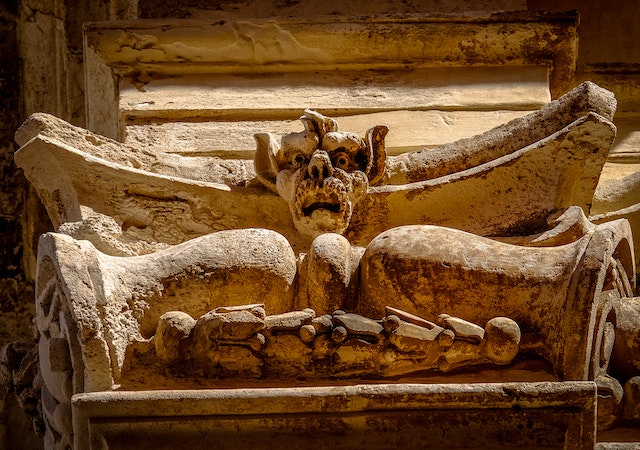
Beelzebub was originally a Canaanite deity worshipped in the ancient Near East, and the name means “Lord of the Flies.” This may have been a reference to the god’s role as a protector against pestilence and disease, which were often associated with swarms of flies in the ancient world. However, in Jewish and Christian literature, Beelzebub was transformed into a demonic figure associated with gluttony and other sins. In the New Testament, Beelzebub is described as the “prince of demons” and the “ruler of the demons” (Matthew 12:24-27). According to Christian tradition, Beelzebub tempts humans to indulge in excessive eating and drinking, leading them down a path of spiritual destruction.
Belphegor, on the other hand, is often depicted as a bearded demon sitting on a toilet, holding a plate of food. According to legend, Belphegor tempts people to waste their time and energy on idle pursuits, including overindulging in food and drink. In some traditions, Belphegor is also associated with sexual temptation and lust.
These demons are typically considered lesser demons in the hierarchy of demons, subordinate to more powerful demonic entities such as Satan and Lucifer. Nevertheless, they are still seen as dangerous and malevolent beings who can lead humans astray from the path of righteousness.
In modern culture, demons associated with gluttony and excess continue to appear in various forms. For example, the character of Gluttony in the popular anime and manga series “Fullmetal Alchemist” is a monstrous creature with a voracious appetite, capable of consuming anything in its path. Similarly, the demon Pazuzu in “The Exorcist” is associated with both gluttony and sexual temptation, reflecting the continued relevance of these themes in popular culture.
Overall, while the specific details of demons associated with gluttony may vary depending on the culture or tradition, the underlying concept of a malevolent being tempting humans towards excessive consumption and self-destructive behavior remains a powerful symbol in many societies. Whether viewed as literal entities or metaphorical representations of human weakness, these demons serve as a reminder of the dangers of succumbing to our baser impulses and desires.
It is interesting to note that these themes of gluttony and excess have persisted throughout history, appearing in various forms in different cultures and belief systems. In some cases, they are associated with specific gods or demons, while in others they are more broadly linked to ideas of temptation and sin.
While the existence of these demons may be disputed by some, the symbolism they represent is powerful and enduring. As humans, we are all prone to temptation and desire, and the demons of gluttony serve as a warning against giving in to these impulses. By recognizing the dangers of excess and striving for balance in our lives, we can avoid the path of destruction that these demons represent.