The concept of a demon king varies greatly depending on different cultures, beliefs, and mythologies. Therefore, I will provide a general explanation of what a demon king is and some possible examples of demon kings in different cultures.
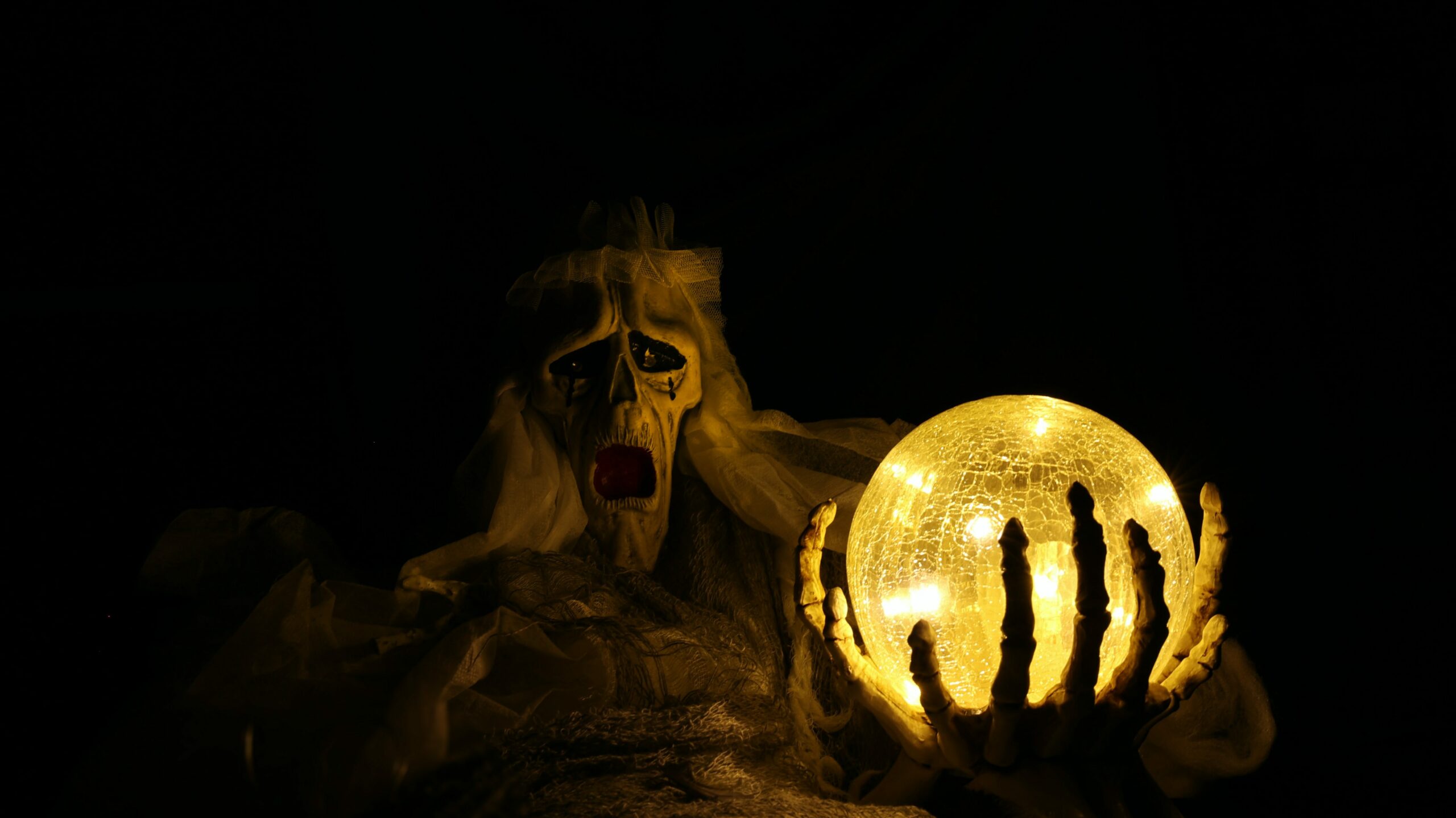
In various mythologies and religions, a demon king is a powerful supernatural being who rules over other demons or evil spirits. These demon kings are often depicted as malevolent entities who seek to cause harm to humans, either through temptation, possession, or outright violence.
In Hindu mythology, there are several demon kings, the most famous of which is Ravana. Ravana is the primary antagonist of the Hindu epic, the Ramayana, and is depicted as a ten-headed demon king who kidnaps the goddess Sita, the wife of the hero Rama. Ravana is considered one of the most powerful and intelligent demons in Hindu mythology, and his defeat at the hands of Rama is celebrated during the festival of Dussehra.
In Japanese mythology, the demon king is known as Enma, the ruler of the underworld or hell. Enma is depicted as a stern judge who decides the fate of souls who have died and are being judged in the afterlife. In Japanese popular culture, Enma is often portrayed as a comedic character who is easily distracted and prone to making mistakes.
In Christian demonology, the demon king is known as Satan or the Devil. Satan is depicted as the ultimate embodiment of evil and is said to have rebelled against God and been cast out of heaven. Satan is often associated with temptation, deception, and corruption and is considered the primary adversary of God and his followers.
In Islamic demonology, the demon king is known as Iblis or Shaytan. Iblis is said to have been a jinn, a type of supernatural being, who refused to bow down to Adam, the first human, and was cast out of heaven by Allah. Iblis is considered the primary adversary of Allah and his followers and is often associated with temptation and deception.
In conclusion, the concept of a demon king is a common theme in various mythologies and religions. The nature and characteristics of a demon king vary greatly depending on different cultural beliefs and traditions. Therefore, the identity of a “new demon king” cannot be determined without further context or information.