Determining the poorest country on earth is a complex task, as there are different ways to measure poverty, and various factors can contribute to a nation’s economic well-being. However, one widely recognized metric for poverty is gross domestic product (GDP) per capita, which measures the total value of goods and services produced by a country divided by its population. By this metric, the poorest country on earth is currently Burundi.
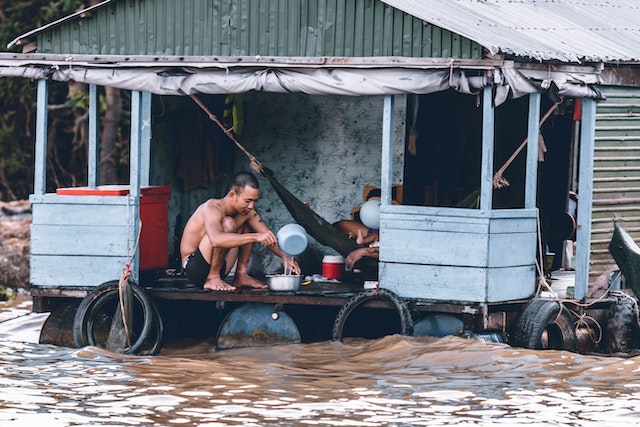
Burundi is a small landlocked country located in East Africa, bordered by Rwanda, Tanzania, and the Democratic Republic of Congo. With a population of over 12 million people, Burundi’s economy is heavily dependent on agriculture, which accounts for about 30% of its GDP and employs over 90% of the population. The country’s main crops include coffee, tea, and cotton, but productivity is hampered by limited access to modern technology, low levels of education and health, and political instability.
According to the World Bank, Burundi’s GDP per capita was $261 in 2020, making it the poorest country in the world in terms of this measure. To put this into perspective, the GDP per capita of the United States, the world’s largest economy, was over $63,000 in the same year. Burundi’s low GDP per capita reflects not only its limited economic development but also the challenges it faces in providing basic services and infrastructure to its citizens.
Burundi’s poverty is exacerbated by a number of factors. The country has experienced a long history of conflict and political instability, including a civil war that lasted from 1993 to 2005. The conflict, which was fueled by ethnic tensions, resulted in the deaths of hundreds of thousands of people and displaced many more. Despite a peace agreement signed in 2005, Burundi continues to experience periodic outbreaks of violence and instability, which have hindered its economic development.
Another major factor contributing to Burundi’s poverty is its limited access to education and health services. According to UNICEF, only about 60% of children in Burundi attend primary school, and the country has one of the highest rates of malnutrition in the world. Access to health care is also limited, with only one doctor for every 20,000 people. These factors not only have a direct impact on the well-being of Burundi’s citizens but also hinder the country’s economic growth by limiting the productivity and skills of its workforce.
Finally, Burundi’s poverty is also compounded by external factors, such as climate change and global economic trends. The country is highly vulnerable to climate change, with erratic rainfall patterns and increasing frequency of natural disasters, such as floods and landslides, affecting its agricultural productivity. Additionally, the global economic downturn caused by the COVID-19 pandemic has had a significant impact on Burundi’s economy, as it relies heavily on exports of coffee and other commodities, which have seen a decline in demand and prices.
In conclusion, Burundi is currently the poorest country on earth, with a GDP per capita of $261 in 2020. Its poverty is the result of a complex interplay of factors, including political instability, limited access to education and health services, and external factors such as climate change and global economic trends. Addressing these challenges will require a sustained effort from both the government of Burundi and the international community, including investment in infrastructure and human capital, support for conflict resolution and peacebuilding, and targeted interventions to improve health and education outcomes.