According to the World Bank, about 9.2% of the world’s population lives in extreme poverty, which is defined as living on less than $1.90 per day. This means that nearly 700 million people are living in extreme poverty. Poverty is a complex issue that affects people in different ways, depending on factors such as geography, social and economic status, education, health, and access to basic needs.
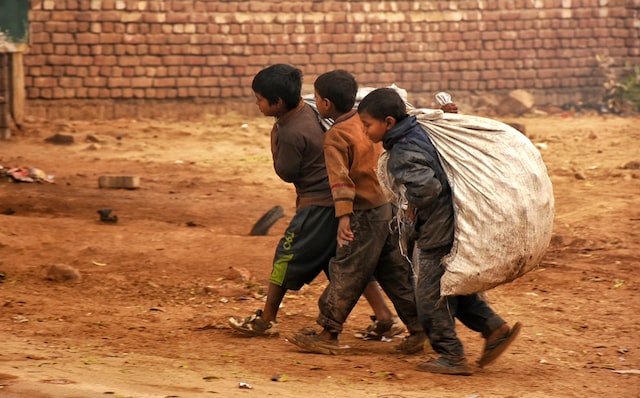
In many parts of the world, people living in poverty struggle to meet their basic needs such as food, shelter, and healthcare. Many live in slums or informal settlements with poor sanitation and limited access to clean water. Lack of access to education and job opportunities further perpetuates poverty, making it difficult for people to break out of the cycle of poverty.
Poverty is not just a personal issue; it has far-reaching social and economic consequences. Poverty can lead to malnutrition, poor health, and limited access to education and employment, which in turn can affect an individual’s ability to contribute to society. Poverty can also lead to social exclusion and marginalization, making it difficult for people to participate in the economic and political processes that affect their lives.
It is important to note that poverty is not limited to developing countries; it also affects developed countries. In developed countries, poverty may take on different forms, such as homelessness, food insecurity, and limited access to healthcare. Poverty in developed countries is often hidden, making it difficult to address.
The causes of poverty are complex and multifaceted, ranging from political and economic systems to natural disasters and environmental degradation. Poverty is often the result of systemic inequalities, where certain groups are marginalized and excluded from economic and political power. Poverty can also be perpetuated by policies that favor the wealthy or certain industries over others.
Addressing poverty requires a multi-faceted approach that addresses the root causes of poverty while also providing immediate relief to those in need. Governments and international organizations can provide social safety nets, such as cash transfers, food assistance, and healthcare services, to alleviate the immediate impacts of poverty. Education and job training programs can help people develop the skills they need to break out of poverty and access better-paying jobs.
In addition, policies that promote economic growth and reduce inequality can help lift people out of poverty. Investments in infrastructure, such as roads, bridges, and public transportation, can improve access to markets and create job opportunities. Policies that promote fair labor practices and support small businesses can also help reduce poverty.
In conclusion, poverty is a complex issue that affects millions of people worldwide. While it is difficult to pinpoint one person as the poorest on earth, it is clear that poverty has far-reaching social and economic consequences. Addressing poverty requires a multi-faceted approach that addresses the root causes of poverty while also providing immediate relief to those in need. It is essential that governments, international organizations, and individuals work together to address poverty and create a more equitable and just world.