In 2021, a number of cows on a property owned by Australian politician Peter Dutton were found to have been poisoned. The incident caused outrage in the local community and beyond, and an investigation was launched to determine who was responsible for the poisoning.
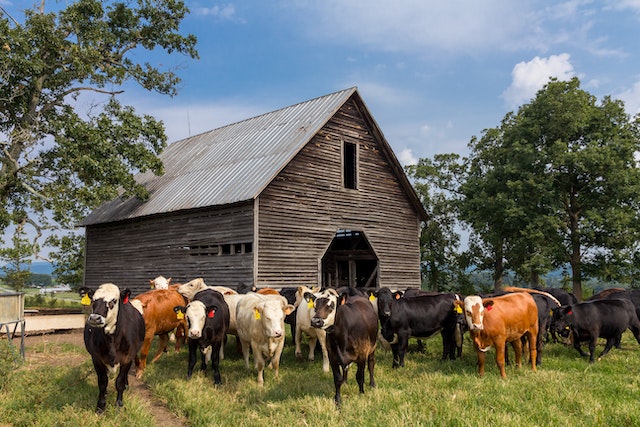
At the time of the incident, Dutton was serving as the Minister for Defence in the Australian government. He owns a property in the Queensland town of Moreton Bay, which is used for cattle grazing.
In October 2021, it was reported that at least five cows on Dutton’s property had been killed by a poisonous substance. The cows were found dead or dying, and it was later determined that they had ingested a highly toxic chemical known as 1080, which is commonly used as a pest control measure in Australia.
Initially, it was unclear who was responsible for the poisoning. However, suspicion quickly fell on animal rights activists, who had been known to target farms and properties involved in animal agriculture in the past.
The incident sparked a fierce debate about the ethics of animal agriculture and the tactics used by animal rights activists to promote their cause. Supporters of Dutton and the farming community at large argued that the poisoning was a callous and unnecessary act of violence, while animal rights activists argued that the incident was a necessary wake-up call about the suffering of animals in the agricultural industry.
As the investigation into the poisoning continued, a number of theories emerged about who might be responsible. Some suggested that the poisoning was carried out by a lone activist or small group of individuals, while others speculated that it could have been a larger, coordinated effort.
In December 2021, police made an arrest in connection with the poisoning. A 29-year-old man was charged with five counts of animal cruelty, as well as several other related offenses. The man was not known to have any direct ties to animal rights groups, but police suggested that he may have been motivated by a general opposition to animal agriculture.
Despite the arrest, many questions about the poisoning remained unanswered. It was unclear whether the suspect acted alone or as part of a larger group, and it was unclear what his specific motivations were.
The incident highlighted the ongoing tensions between the animal agriculture industry and animal rights activists in Australia and beyond. While some argue that the agricultural industry is necessary for food production and economic growth, others argue that it is a cruel and unsustainable system that perpetuates animal suffering.
Ultimately, the poisoning of Dutton’s cows was a tragic and unnecessary act of violence that caused harm to innocent animals and sparked a heated debate about the ethics of animal agriculture. While the arrest of a suspect in connection with the incident may provide some closure, it is unlikely to fully resolve the underlying tensions between the industry and its critics.