The role of women in spreading the gospel has been a subject of debate among scholars and theologians for centuries. While many women played significant roles in the early Christian movement, it is difficult to identify a single woman as the first to preach the gospel. Nonetheless, several women in the New Testament played important roles in spreading the good news of Jesus Christ and their stories continue to inspire people of faith to this day.
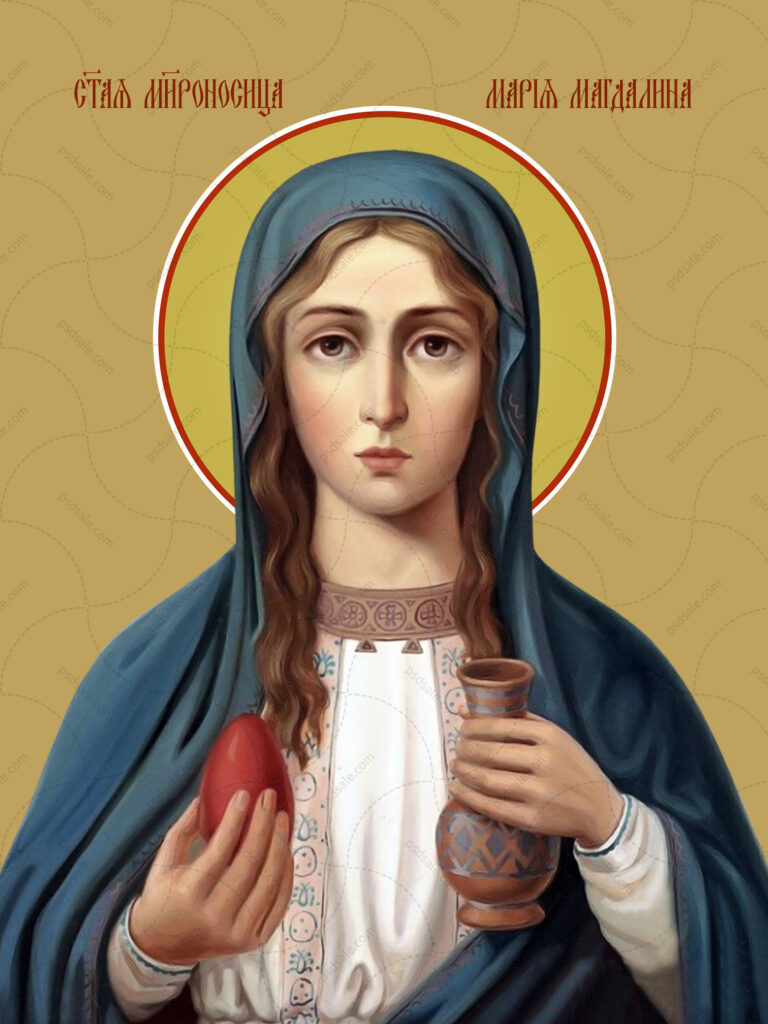
One of the most well-known women in the New Testament is Mary Magdalene. She was a follower of Jesus and one of the first witnesses to his resurrection. After seeing the empty tomb, Mary went to tell the disciples, “I have seen the Lord!” (John 20:18). This bold proclamation of the good news of Christ’s resurrection is often seen as an act of preaching. While it is unclear exactly what Mary said to the disciples, her testimony played an important role in the early Christian movement.
Another woman who played a significant role in spreading the gospel was Phoebe. She is mentioned in Romans 16:1-2 as a deacon of the church in Cenchreae. Paul describes her as a “servant of the church” who had been a benefactor to many, including himself. Some scholars believe that Phoebe may have been a traveling missionary who preached the gospel in various places. While there is no direct evidence of this, Paul’s description of her as a deacon and benefactor suggests that she played an important role in the early Christian movement.
Priscilla is another woman who played a significant role in spreading the gospel. She is mentioned several times in the New Testament, usually alongside her husband, Aquila. The couple was tentmakers who worked alongside Paul in Corinth (Acts 18:2-3). They also traveled with Paul to Ephesus and played a key role in the establishment of the church there (Acts 18:18-19, 26). Priscilla and Aquila are described as having instructed Apollos, a prominent preacher, in the way of God more accurately (Acts 18:26). While it is unclear whether Priscilla herself preached, her role in instructing Apollos is seen as evidence of her theological knowledge and leadership abilities.
Junia is another woman mentioned in the New Testament who is often seen as a preacher of the gospel. In Romans 16:7, Paul writes, “Greet Andronicus and Junia, my kinsmen and my fellow prisoners, who are outstanding among the apostles.” While some scholars have argued that Junia was not a woman, most modern translations of the Bible use feminine pronouns to refer to her. The fact that Junia is described as “outstanding among the apostles” suggests that she played an important role in spreading the gospel and may have been a preacher herself.
Philemon 2 also mentions a woman named Apphia, who is described as a “beloved sister” in Christ. While there is no direct evidence that she preached the gospel, her inclusion in Paul’s letter suggests that she played an important role in the early Christian movement. Similarly, Nympha is mentioned in Colossians 4:15 as hosting a church in her house. While it is unclear whether she preached, her hospitality and leadership suggest that she played an important role in the early Christian community.
In conclusion, the first woman to preach the gospel is difficult to identify due to the lack of historical records. However, several women in the New Testament played important roles in spreading the good news of Jesus Christ. Mary Magdalene, Phoebe, Priscilla, Junia, Apphia, and Nympha are just a few examples of women who are often seen as preachers or leaders in the early