The question of who would win in a hypothetical battle between a samurai and a Spartan is a subject of much debate and speculation. Both warriors were highly skilled and trained in their respective styles of combat, and both had a reputation for being formidable opponents on the battlefield. However, there are several factors that would come into play in such a scenario, and a definitive answer is not easy to give. In this response, we will explore the historical background and fighting styles of these two warriors and attempt to provide a nuanced analysis of their strengths and weaknesses in battle.
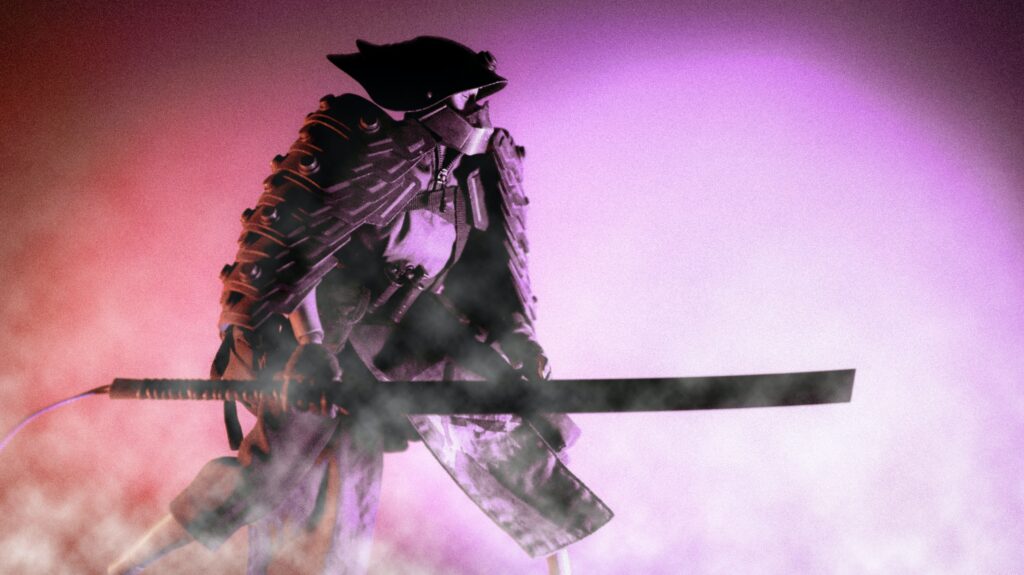
The Samurai:
The samurai were the warriors of feudal Japan, who emerged in the late 12th century and lasted until the mid-19th century. They were highly skilled in various forms of combat, including archery, swordsmanship, and hand-to-hand combat. The samurai were fiercely loyal to their lords and followed a strict code of conduct called bushido, which emphasized honor, courage, and loyalty.
Samurai armor was typically made of lacquered metal or leather plates, and included a helmet, chest plate, arm guards, and leg guards. They carried a variety of weapons, including a long sword called a katana, a short sword called a wakizashi, and a bow and arrows.
In battle, samurai would typically form a tightly-packed formation called a yari formation, with the archers in the back and the swordsmen in the front. They would use their bows to rain arrows down on the enemy, and then charge forward with their swords drawn. Samurai were known for their skill and precision with the katana, and could cut through armor and bone with a single stroke.
The Spartan:
The Spartans were the warrior class of ancient Greece, who emerged in the 8th century BC and lasted until the 4th century BC. They were highly disciplined and trained from a young age to be fierce warriors. Spartan society was centered around the military, and all citizens were expected to serve in the army.
Spartan armor was made of bronze and included a helmet, chest plate, arm guards, and leg guards. They carried a long spear called a dory, a short sword called a xiphos, and a large round shield called a hoplon.
In battle, the Spartans would typically form a tightly-packed formation called a phalanx, with their shields overlapping to create a wall of protection. The front line would be composed of the most experienced warriors, who would use their spears to stab at the enemy. The Spartans were known for their discipline and courage, and would fight to the death rather than retreat.
Analysis:
If we were to compare the two warriors in a hypothetical battle, there are several factors that would need to be considered. These include their fighting styles, weaponry, armor, tactics, and training.
Fighting Styles:
The samurai and Spartan had different fighting styles, which were tailored to their respective environments and cultures. The samurai were trained to fight in close combat, using their swords and other weapons to inflict maximum damage on their opponents. They were also skilled archers, and could rain down arrows on the enemy from a distance.
The Spartan, on the other hand, were trained to fight in a phalanx formation, using their shields and spears to create a wall of protection and stab at the enemy. They were also skilled in hand-to-hand combat, and could use their swords and shields to great effect.
Weaponry:
The samurai carried a variety of weapons, including the katana, wakizashi, bow, and arrows. The katana was their primary weapon, and they were highly skilled in its use. The wakizashi was a short sword that was used as a backup weapon or for close combat. The bow and arrows were used for ranged combat and could be devastating when fired en masse.
The Spartan, on the other hand, carried a dory spear, a xiphos sword, and a hoplon shield. The dory was a long spear that could be used to stab at the enemy from a distance, while the xiphos sword was used for close combat. The hoplon shield was large and round, and was used to protect the warrior and his comrades in the phalanx formation.
Armor:
The samurai and Spartan wore different types of armor that provided different levels of protection. The samurai wore lacquered metal or leather plates that covered most of their body, including a helmet, chest plate, arm guards, and leg guards. This armor was relatively light and flexible, allowing for greater mobility on the battlefield.
The Spartan, on the other hand, wore bronze armor that covered most of their body, including a helmet, chest plate, arm guards, and leg guards. This armor was heavier than samurai armor, but provided greater protection against enemy weapons.
Tactics:
The samurai and Spartan used different tactics on the battlefield, based on their respective fighting styles and environments. The samurai typically used a yari formation, with archers in the back and swordsmen in the front. They would use their bows to soften up the enemy, and then charge forward with their swords drawn.
The Spartan used a phalanx formation, with their shields overlapping to create a wall of protection. The front line would be composed of the most experienced warriors, who would use their spears to stab at the enemy. The Spartans were known for their discipline and would fight to the death rather than retreat.
Training:
Both samurai and Spartan received rigorous training from a young age, which prepared them for the demands of warfare. Samurai were trained in various forms of combat, including archery, swordsmanship, and hand-to-hand combat. They were also taught bushido, a strict code of conduct that emphasized honor, courage, and loyalty.
The Spartan, on the other hand, received training that was focused on military tactics and discipline. They were taught to fight in a phalanx formation, and were expected to endure harsh physical conditions as part of their training.
Conclusion:
In conclusion, the question of who would win in a hypothetical battle between a samurai and a Spartan is difficult to answer definitively. Both warriors were highly skilled and trained in their respective styles of combat, and both had a reputation for being formidable opponents on the battlefield.
The samurai were skilled in close combat and archery, and could use their swords to devastating effect. They were also highly disciplined and followed a strict code of conduct that emphasized honor, courage, and loyalty.
The Spartan, on the other hand, were skilled in the use of the phalanx formation, and were known for their discipline and courage. They were also highly trained in hand-to-hand combat and could use their swords and shields to great effect.
In the end, the outcome of a hypothetical battle between a samurai and a Spartan would depend on a variety of factors, including the terrain, the size of the armies, and the tactics used by each side. Ultimately, it is impossible to say which warrior would emerge victorious, but it is clear that both samurai and Spartan were among the most skilled and fearsome warriors of their respective eras.