Moaning is a common symptom that can occur in hospice patients. There are several reasons why a hospice patient might moan, including physical discomfort, pain, anxiety, and fear. Understanding the reasons behind the moaning can help caregivers and healthcare professionals provide better care and support to the patient.
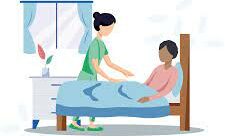
Physical discomfort is one of the most common reasons why hospice patients might moan. Patients who are bedridden or have limited mobility may experience discomfort due to the prolonged pressure on certain areas of the body, such as the hips, back, and shoulders. This discomfort can cause the patient to moan in an attempt to relieve the pressure and reduce the pain.
Pain is another common reason why hospice patients might moan. Patients with advanced illnesses often experience pain due to their condition or treatment. The pain can be acute or chronic and can vary in intensity. Patients who are in pain may moan as a way of expressing their discomfort and seeking relief.
Anxiety and fear are also common causes of moaning in hospice patients. Patients who are approaching the end of their life may experience anxiety and fear about what is happening to them and what will happen to their loved ones after they are gone. These emotions can cause the patient to moan as a way of expressing their distress and seeking comfort and reassurance from their caregivers.
Other factors that can contribute to moaning in hospice patients include medication side effects, dehydration, and constipation. Some medications used to manage pain or other symptoms can cause side effects that include moaning. Dehydration and constipation can also cause discomfort and pain, which can lead to moaning.
If a hospice patient is moaning, it is important to assess the underlying cause and address it appropriately. Caregivers and healthcare professionals can work together to identify the cause of the moaning and develop a plan to manage it. This may include providing pain relief medication, adjusting the patient’s position to relieve pressure on certain areas of the body, providing emotional support and reassurance, and addressing any underlying medical conditions that may be contributing to the moaning. By addressing the underlying cause of the moaning, caregivers and healthcare professionals can help improve the patient’s comfort and quality of life during their end-of-life journey.