The question of why Disney villains are often portrayed as being purple is a complex one that can be approached from multiple angles. There are several possible explanations for this recurring theme, ranging from historical and cultural influences to the practical concerns of animation and visual storytelling. In this essay, we will explore some of the most compelling reasons why Disney villains are often depicted as purple.
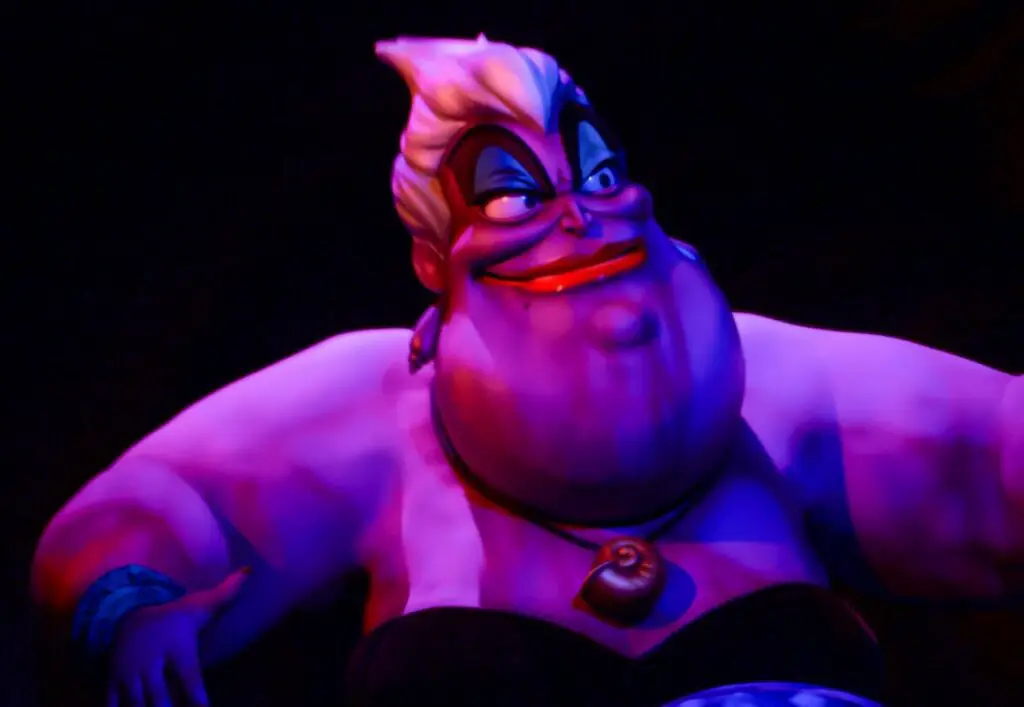
One possible explanation for this trend is that the color purple has historically been associated with royalty, nobility, and power. In many cultures, purple was a rare and expensive dye that was reserved for the garments of the wealthy and powerful. In ancient Rome, for example, purple was the color of the emperors and was considered to be the most regal and prestigious of all hues. Similarly, in medieval Europe, purple was the color of the robes worn by bishops and cardinals, who were among the most influential figures in society.
Given this historical association between purple and power, it is perhaps not surprising that Disney would choose to use the color to signify villainy. By dressing their villains in purple, Disney is implicitly linking them to the idea of power and dominance, suggesting that these characters are motivated by a desire for control and authority. This association is reinforced by the fact that many of Disney’s most iconic villains, such as Maleficent from Sleeping Beauty and Ursula from The Little Mermaid, are depicted as having some form of magical or supernatural ability, further underscoring their status as powerful and potentially dangerous figures.
Another possible explanation for the prevalence of purple among Disney villains is that it is a useful visual shorthand for conveying certain emotional or psychological states. Purple is often associated with darkness, mystery, and ambiguity, as well as with emotions such as envy, greed, and melancholy. By using purple to color their villains, Disney is able to tap into these complex emotional associations and convey a sense of menace or unease without resorting to more overtly violent or graphic imagery.
In addition to its psychological associations, purple is also a useful color for animation and visual storytelling. Because it is a secondary color that is created by mixing red and blue, it can be used to create a wide range of shades and hues that can be easily manipulated to convey different moods or emotions. In the context of animation, purple is also a useful color for highlighting contrasts and creating visual interest. Because it is relatively rare in nature, it stands out against more common colors such as green or blue, making it a powerful tool for drawing the viewer’s eye and directing their attention.
Finally, it is worth noting that the prevalence of purple among Disney villains may simply be a matter of tradition and convention. Like many other storytelling tropes and visual motifs, the use of purple to signify villainy may have originated in earlier works of fiction or folklore and simply been carried over into the world of animation. Alternatively, it may be that the creators of Disney’s early animated films simply found purple to be an effective and appealing color for their villains, and subsequent animators and storytellers have continued to use it out of a sense of continuity and familiarity.
In conclusion, the question of why Disney villains are often portrayed as being purple is a multifaceted one that cannot be answered definitively. There are several possible explanations for this recurring theme, including historical and cultural associations with power and nobility, psychological associations with darkness and ambiguity, practical considerations of animation and visual storytelling, and simple tradition and convention. Whatever the reason for this trend, however, it is clear that the use of purple to signify villainy has become a powerful and enduring symbol in the world of animation and popular culture.