Ants are social insects that live in large colonies and are known for their ability to forage and find food. They are attracted to various food sources, including sugary substances, proteins, oils, and other organic materials. If you are experiencing ants being attracted to you, there could be several reasons for it, which can be explained by their foraging behavior, biology, and environmental factors.
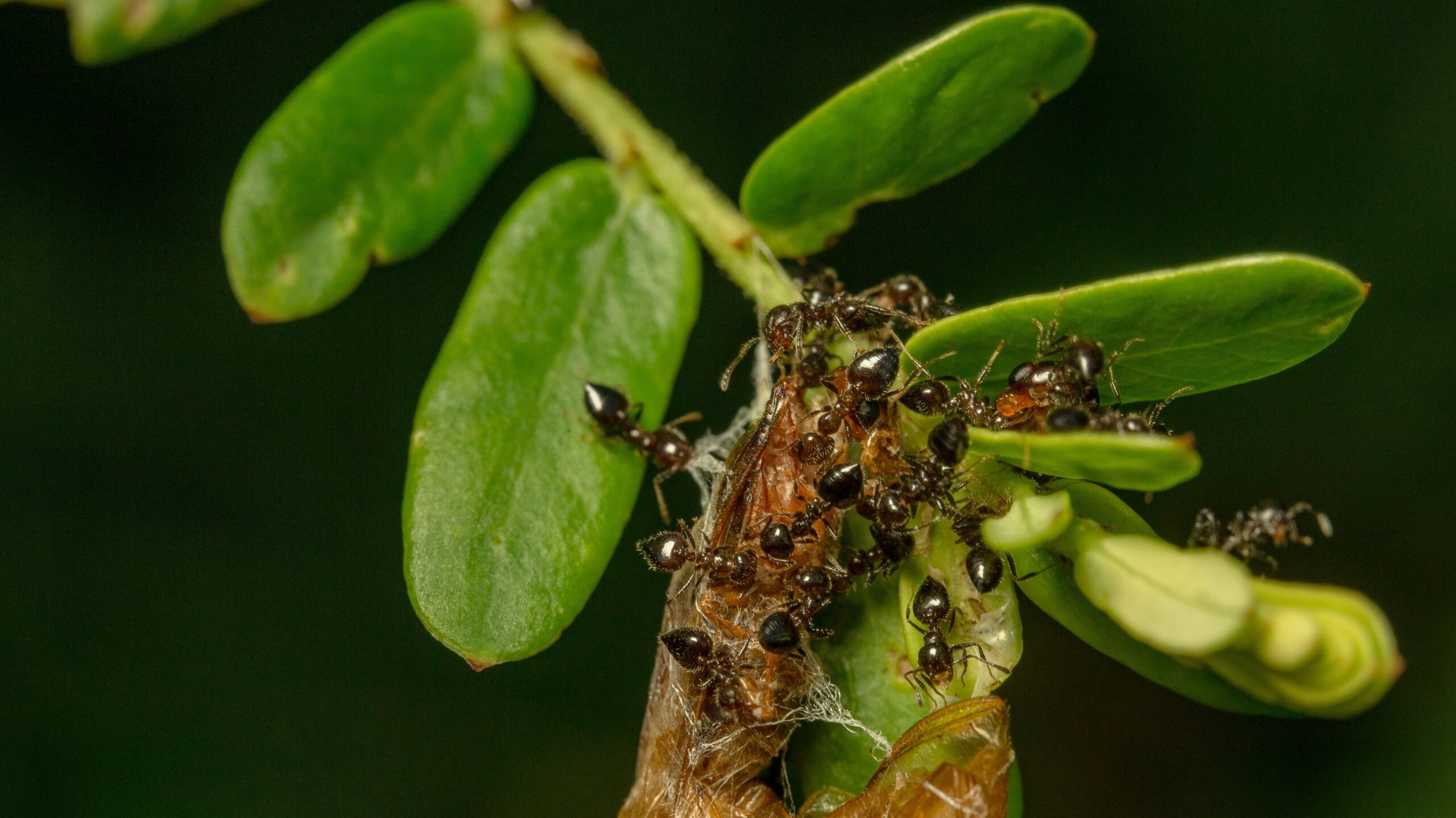
- Food residue on your body: Ants have an acute sense of smell, and they are constantly searching for food sources. If you have food residue on your body, such as crumbs, spills, or even sweet-scented lotions, ants may be attracted to you as a potential food source. They can detect even tiny amounts of food particles, and this can lead them to follow the scent and converge on you.
- Sweat and body odor: Human sweat and body odor can contain trace amounts of sugars, salts, and other organic compounds, which can be attractive to ants. Sweat is a natural bodily function, and the smell can vary depending on an individual’s diet, metabolism, and hygiene practices. If you are perspiring or have strong body odor, it can potentially attract ants, especially if you are in an area where ants are commonly found.
- Perfumes, lotions, and scented products: Ants are highly sensitive to smells, and certain scented products such as perfumes, lotions, and even scented soaps can attract them. Many scented products contain sweet or floral fragrances, which can mimic the scent of food to ants. If you are wearing scented products, it could potentially attract ants to you.
- Environmental factors: The presence of ants in your environment can also contribute to them being attracted to you. If there is an ant colony nearby, they may be actively foraging for food, and you could unintentionally become a part of their search. Additionally, weather conditions, such as drought or extreme heat, can disrupt ant colonies’ food sources, making them more aggressive in their search for food, including towards humans.
- Previous food-related activities: If you have recently handled food, such as while cooking or eating, and have not properly cleaned up afterwards, it can leave food residue on your body, clothes, or surroundings. Ants can pick up on these food cues and be attracted to you as a potential food source, even if you are not actively consuming food at the moment.
- Movement and vibrations: Ants are also sensitive to movement and vibrations, and if you are moving around vigorously or disturbing their foraging trails or nests, it can attract their attention. This can happen during outdoor activities such as gardening, picnicking, or hiking, where you may inadvertently come in contact with ant colonies or their foraging paths.
It’s important to note that different ant species have different preferences and behaviors, so the reasons why ants may be attracted to you can vary depending on the species and the specific circumstances. Additionally, ant behavior can be influenced by many factors, including the availability of food, environmental conditions, and the size and activity level of ant colonies.
If you are experiencing ant attraction and find it bothersome, here are some tips to help prevent ants from being attracted to you:
- Practice good personal hygiene: Regularly showering, washing your hands, and using unscented or minimally scented personal care products can help reduce odors that may attract ants.
- Keep your surroundings clean: Clean up spills, crumbs, and food residue promptly, both on your body and in your surroundings, to eliminate potential food sources for ants.
- Avoid wearing heavily scented products: If you are in an area where ants are commonly found, consider avoiding heavily scented products or perfumes that could attract them.