Passing a blood clot in your stool can be a scary experience, but it’s important to understand that there are several possible causes, ranging from benign to serious medical conditions. Here are some possible reasons why you may have experienced this.
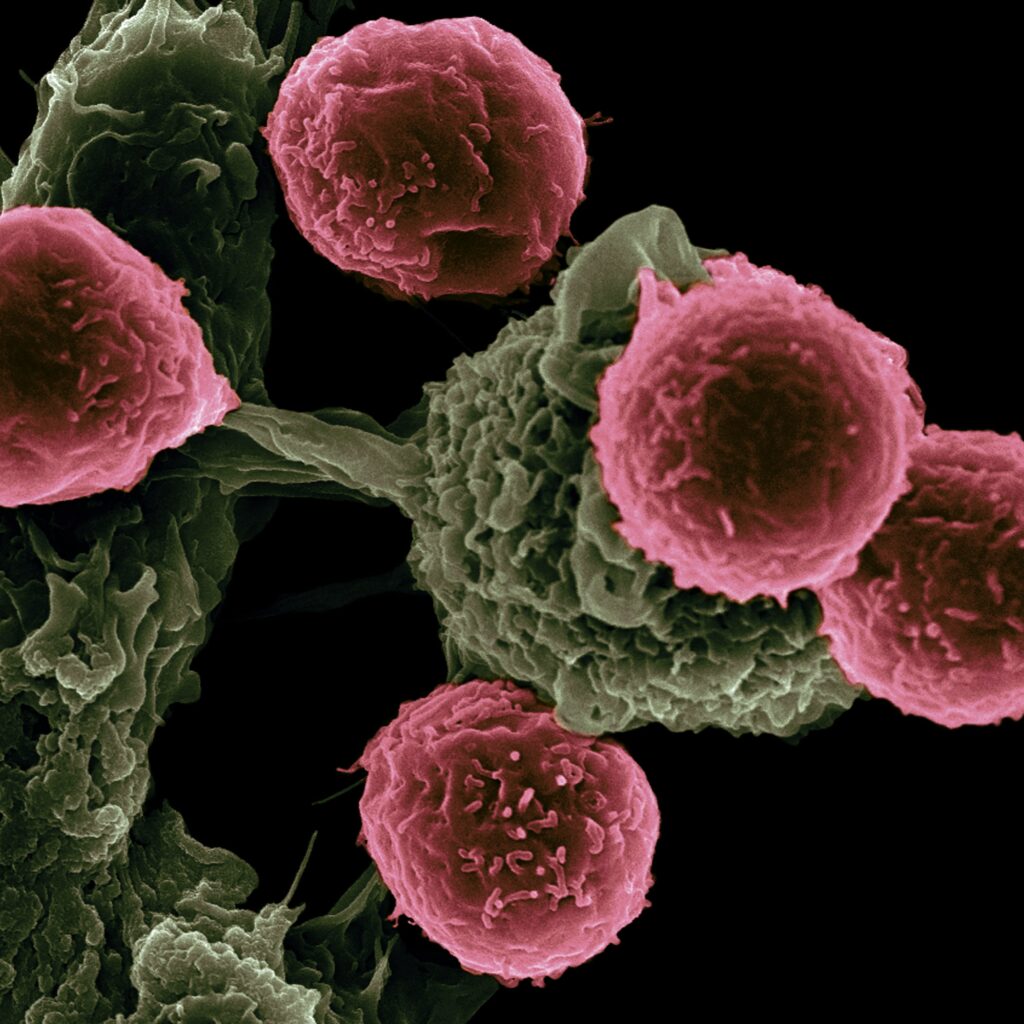
- Hemorrhoids: Hemorrhoids are a common cause of blood in the stool, and it is estimated that up to 75% of people will experience hemorrhoids at some point in their lives. Hemorrhoids are swollen veins in the rectal area that can cause itching, burning, and pain, and may bleed during bowel movements. If you have hemorrhoids, you may see bright red blood on the toilet paper or in the toilet bowl. Hemorrhoids can be treated with over-the-counter creams and ointments, or in more severe cases, surgery.
- Anal Fissures: Anal fissures are small tears in the lining of the anus, which can cause bleeding and pain during bowel movements. They are often caused by constipation, diarrhea, or trauma to the area. Anal fissures are usually treated with stool softeners, topical creams, and warm sitz baths. In some cases, surgery may be required.
- Inflammatory Bowel Disease (IBD): Inflammatory bowel disease (IBD) is a group of disorders that cause inflammation in the digestive tract. The two most common forms of IBD are Crohn’s disease and ulcerative colitis. Symptoms of IBD include abdominal pain, diarrhea, weight loss, and rectal bleeding. If you have IBD, your doctor may prescribe medications to reduce inflammation and control symptoms.
- Colon Polyps: Colon polyps are growths that can form on the inside of the colon. While most colon polyps are benign, some can become cancerous over time. Colon polyps can cause rectal bleeding, and are usually discovered during a routine colonoscopy. If your doctor finds a colon polyp, they may remove it during the colonoscopy or schedule a follow-up procedure.
- Colorectal Cancer: Colorectal cancer is the third most common cancer in both men and women. Symptoms of colorectal cancer include rectal bleeding, abdominal pain, and changes in bowel habits. If you have rectal bleeding and other symptoms, your doctor may recommend a colonoscopy to screen for colorectal cancer.
- Other Causes: There are several other possible causes of rectal bleeding, including infections, diverticulitis, and vascular malformations. If you experience rectal bleeding, it’s important to see your doctor to determine the cause and receive appropriate treatment.
In summary, passing a blood clot in your stool can be a sign of a range of medical conditions. It’s important to see your doctor to determine the cause and receive appropriate treatment.
Why did i poop a blood clot?