The color of our eyes is determined by the amount and distribution of a pigment called melanin in the iris, which is the colored part of the eye. The more melanin a person has in their iris, the darker their eyes will be. Conversely, less melanin will result in lighter-colored eyes.
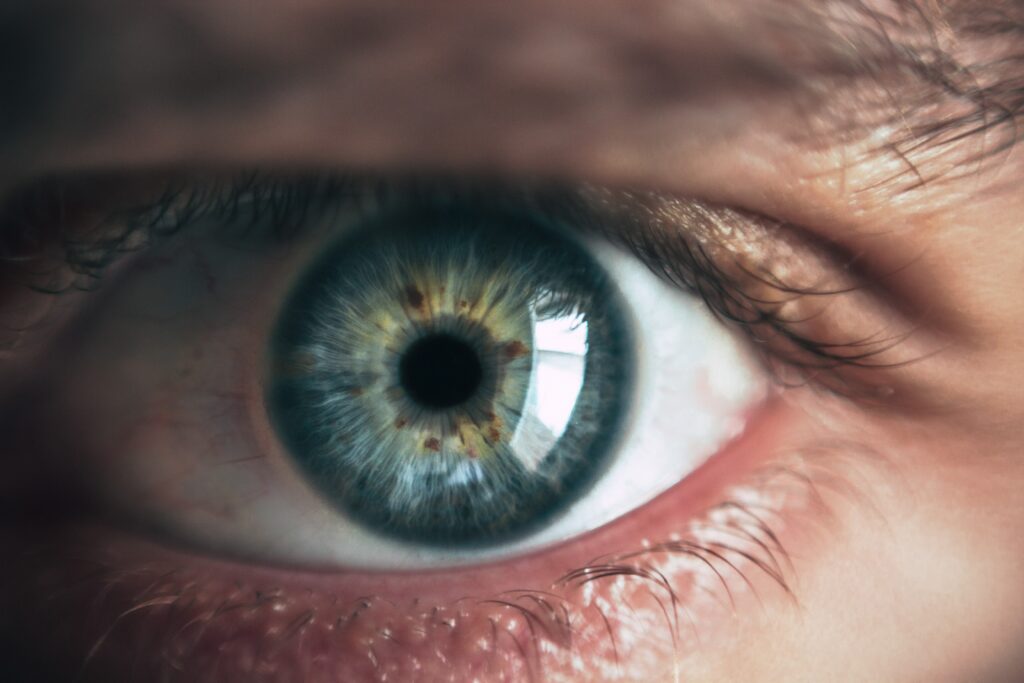
While eye color is largely determined by genetics and is usually stable throughout a person’s life, there are some rare cases where a person’s eye color can change. However, it is important to note that a change in eye color from brown to green is extremely rare and is often the result of an underlying medical condition.
One possible explanation for a change in eye color from brown to green is the development of heterochromia, a condition in which a person’s two eyes are different colors. This can occur as a result of genetics or due to an injury or disease that affects the iris. In cases where one eye becomes greener than the other, it is possible that the iris has been damaged or has a growth on it that is affecting the amount of melanin present.
Another possible explanation for a change in eye color is the development of a medical condition known as Horner’s syndrome. This is a rare condition that affects the nerves that control the eye and can result in a range of symptoms, including drooping of the eyelid, reduced pupil size, and a change in eye color. In some cases, Horner’s syndrome can cause the affected eye to appear lighter in color than the other eye.
A third possibility is the development of a medical condition called pigmentary glaucoma. This is a type of glaucoma that occurs when pigment granules from the iris clog the drainage system in the eye, causing pressure to build up and damage the optic nerve. In some cases, this can cause a change in eye color from brown to green due to the accumulation of pigment in the iris.
It is also possible that the change in eye color is a result of a side effect of medication. Certain medications, such as prostaglandin analogs used to treat glaucoma, can cause changes in the color of the iris, including a darkening or lightening of the color. However, it is important to note that these changes are usually very subtle and may not be noticeable without close examination.
Lastly, it is possible that the change in eye color is simply a natural variation that occurs over time. While it is rare for a person’s eye color to change drastically, some people may notice a slight change in the shade of their eyes as they age. This is due to changes in the amount and distribution of melanin in the iris and is usually not a cause for concern.
In conclusion, a change in eye color from brown to green is a rare occurrence and is often the result of an underlying medical condition. If you have noticed a change in the color of your eyes, it is important to speak with an eye doctor to determine the underlying cause and receive appropriate treatment.