Cats are complex animals with a wide range of behaviors, including biting and licking. While these behaviors can sometimes seem contradictory, there are a number of reasons why a cat might bite and then lick you.
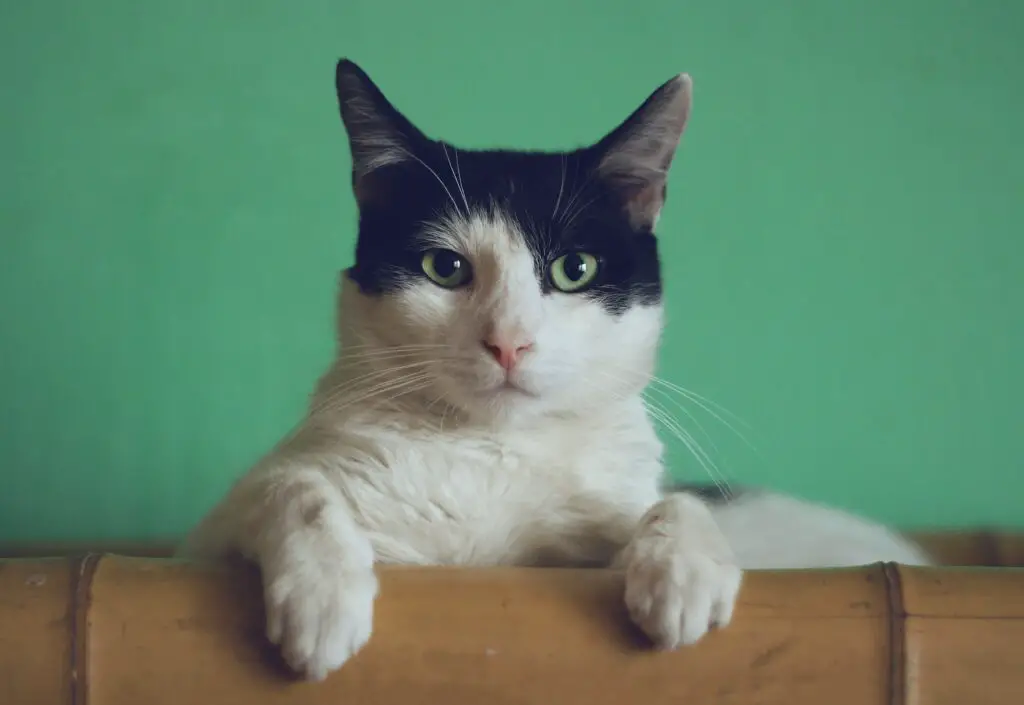
One possible explanation is that biting is a natural instinct for cats. Cats are predators, and biting is a way for them to assert dominance and establish their territory. In some cases, a cat may bite as a form of self-defense or to protect their owner or territory. However, biting can also be a sign of aggression or fear, and may be accompanied by other behaviors such as hissing or growling.
Licking, on the other hand, is a much more affectionate behavior. Cats lick themselves and each other as a way of grooming and bonding, and many cats also enjoy licking their owners as a form of affection. Licking can be a sign that your cat is feeling comfortable and content in your presence.
So why might a cat bite and then lick you? One possibility is that the cat is using biting as a way of expressing dominance or establishing boundaries, but then switches to licking as a way of showing affection and bonding. For example, a cat might nip at your hand to let you know that they are feeling overwhelmed or uncomfortable, but then start licking your hand as a way of indicating that they still love and trust you.
Another possibility is that the biting and licking are simply two separate behaviors that happen to occur in close proximity to each other. Cats may bite for a variety of reasons, such as feeling overstimulated or frustrated, and may then start licking as a way of self-soothing or calming down. In some cases, cats may also lick their wounds after biting themselves or others, as a way of cleaning and disinfecting the area.
It is also worth noting that not all biting and licking behaviors are created equal. Some cats may bite and then lick as a way of playing, for example, or may bite in response to pain or discomfort. Similarly, some cats may lick excessively as a sign of anxiety or stress, rather than as a sign of affection.
If you are concerned about your cat’s biting and licking behaviors, it is important to observe their behavior carefully and to seek the advice of a veterinarian or animal behaviorist. These professionals can help you identify any underlying medical or behavioral issues that may be contributing to your cat’s behavior, and can provide guidance on how to manage and address the behavior over time.
In general, cats are complex and fascinating animals that have a wide range of behaviors and instincts. While biting and licking can sometimes be confusing or even frustrating, these behaviors are often an important part of a cat’s natural behavior and can provide important clues to their emotional and physical well-being. By paying close attention to your cat’s behavior and seeking professional guidance when necessary, you can help ensure that your cat stays happy and healthy for years to come.