Deer jumping in front of cars is a common occurrence, particularly in areas where deer populations are high and roads and highways cut through their natural habitats. There are several factors that can contribute to this behavior, including mating patterns, habitat loss, and human activity
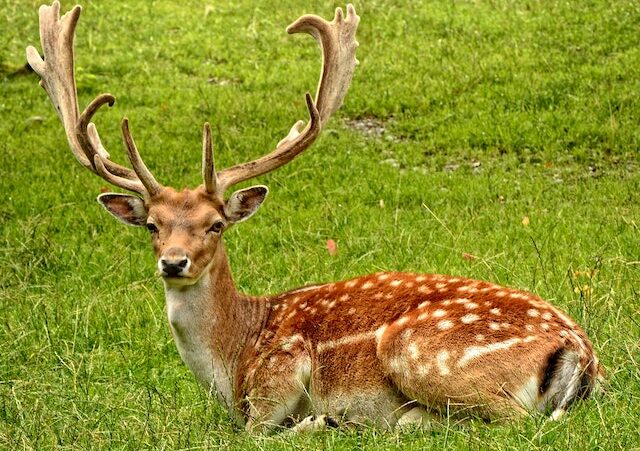
One of the main reasons that deer may jump in front of cars is due to their mating patterns. During the fall mating season, known as the rut, male deer become more active and aggressive in their pursuit of mates. They may roam more widely and become more willing to take risks, including crossing roads and highways. Female deer may also be more active during this time, as they search for suitable mates.
In addition to mating patterns, habitat loss and fragmentation can also contribute to deer-car collisions. As human populations continue to expand and develop new areas, deer are often forced to adapt to new habitats and travel across roads and highways to reach food, water, and shelter. This can put them at risk of being hit by cars, particularly in areas where there are few natural crossings or other wildlife-friendly features.
Human activity can also play a role in deer-car collisions. For example, deer may be attracted to areas near roads and highways where they can find food and other resources, such as landscaping or crops. They may also be drawn to areas where human activity is low, such as parks or undeveloped land. Unfortunately, this can increase the likelihood of deer crossing roads and putting themselves in harm’s way.
There are several steps that drivers can take to reduce the risk of hitting a deer. These include driving at slower speeds in areas where deer are likely to be present, such as wooded areas or near water sources. Drivers should also be alert and watch for any signs of deer activity, such as deer crossing signs or deer tracks along the road. In addition, drivers can also install special devices, such as deer whistles, on their cars to help scare deer away from the road.
In areas where deer populations are particularly high, local authorities may also take steps to reduce the risk of deer-car collisions. For example, they may implement measures such as wildlife crossings or fencing to help guide deer away from roads and highways. They may also increase law enforcement patrols in areas where deer are known to be active, or conduct educational campaigns to raise awareness about the risks of deer-car collisions.
Overall, while deer jumping in front of cars can be a frustrating and potentially dangerous problem for drivers, there are steps that can be taken to reduce the risk of collisions. By understanding the factors that contribute to deer activity and taking steps to drive safely and responsibly in areas where deer are likely to be present, drivers can help protect themselves and the deer populations that share our roads and highways.