Fingernails are an important part of our body that protects the delicate tips of our fingers and toes. They are made up of a tough protein called keratin, the same protein that forms the hair and the outermost layer of our skin. Fingernails are constantly growing and shedding, and they can develop various abnormalities due to different factors. One of the most common issues that people face with their nails is curling, which can be quite uncomfortable and unsightly. In this article, we will discuss the reasons behind this condition and explore ways to prevent it.
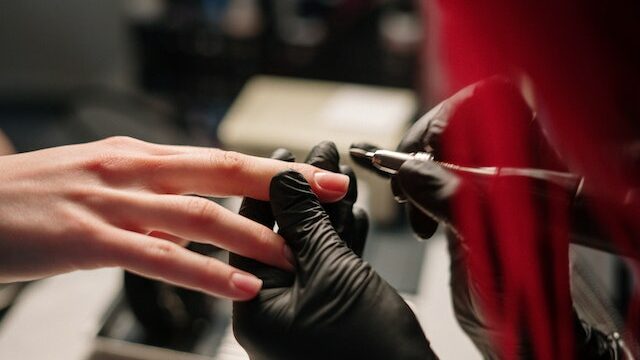
Nail curling, or onychogryphosis, is a condition in which the nails become thicker, harder, and curved, resembling the shape of a ram’s horn or a talon. The nails become difficult to cut, and they can cause discomfort, pain, and even infection if left untreated. The condition is more common in elderly people, but it can affect people of all ages.
There are several reasons why nails can curl, and some of the most common factors include:
- Genetics: Nail shape and structure can be inherited from one’s parents. Some people have naturally curved nails that tend to curl as they grow.
- Trauma: Repeated trauma or injury to the nails can cause them to become deformed and curl over time. This can happen due to excessive typing, playing musical instruments, or even wearing tight shoes.
- Fungal infections: Fungal infections such as onychomycosis can cause the nails to thicken, become discolored, and curl. This condition is more common in people with weakened immune systems, people who sweat excessively, and people who frequently expose their feet to moist environments such as swimming pools and showers.
- Nutritional deficiencies: A lack of essential nutrients such as biotin, vitamin B12, and iron can cause nail abnormalities, including curling. This is because these nutrients play a crucial role in maintaining healthy nail growth.
- Underlying medical conditions: Certain medical conditions such as psoriasis, thyroid disorders, and peripheral arterial disease can affect nail growth and lead to curling.
- Aging: As people age, their nails can become thicker and more brittle, making them more prone to curling.
- Medications: Certain medications such as chemotherapy drugs can affect nail growth and cause curling.
Now that we have discussed the reasons why nails can curl, let’s explore some ways to prevent and treat this condition:
- Maintain good nail hygiene: Keeping your nails clean and dry can help prevent fungal infections and trauma. Avoid biting your nails, and use a nail file instead of scissors to trim them.
- Wear proper footwear: Make sure your shoes fit well and do not apply pressure on your toes. This can prevent trauma and injury to the nails.
- Address underlying medical conditions: If you have an underlying medical condition that is affecting your nail growth, seek treatment from a medical professional. This can help prevent further damage and curling.
- Improve your diet: Eating a balanced diet rich in vitamins and minerals can help improve nail health. Foods that are high in biotin, vitamin B12, and iron such as eggs, meat, nuts, and leafy greens can help prevent curling.
- Use topical treatments: Topical treatments such as antifungal creams and ointments can help treat fungal infections and prevent nail curling. Consult a dermatologist for proper diagnosis and treatment.
- Take supplements: If you have a nutritional deficiency that is causing nail abnormalities, taking supplements can help improve nail health. Consult a healthcare professional before taking any supplements.
- Consider surgery: In severe cases of nail curling, surgery may be required to remove the affected nail and promote the growth of a new one.