There are several reasons why hospitals often keep their rooms cold. While the temperature preferences may vary among different hospitals and regions, generally, hospitals tend to maintain cooler temperatures for various functional, safety, and health-related reasons. In this article, we will explore these reasons in detail.
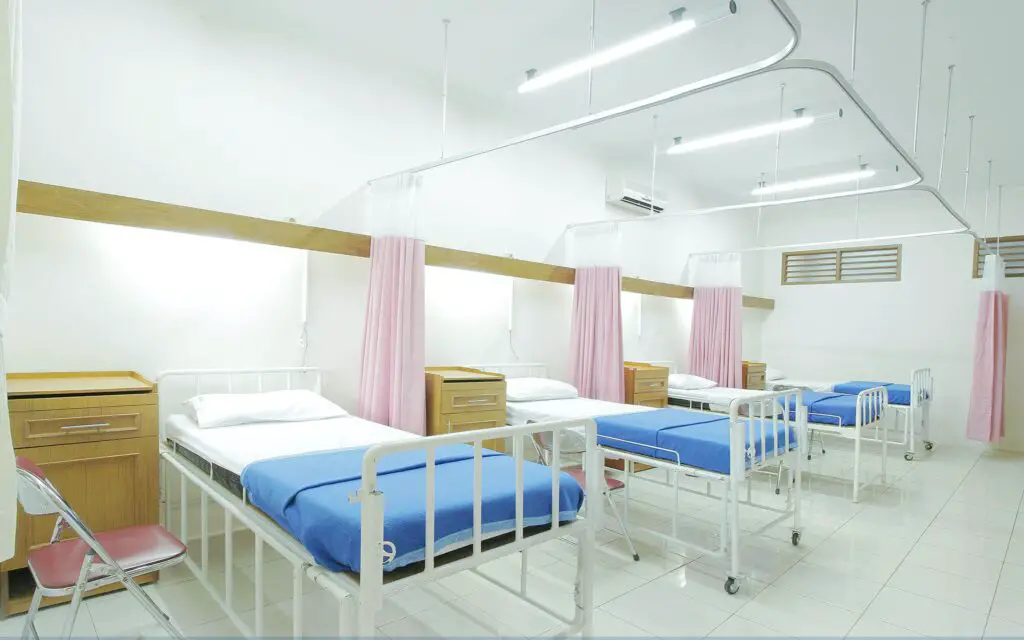
- Infection Control: Hospitals are tasked with preventing the spread of infections among patients, staff, and visitors. One of the ways to achieve this is by maintaining a colder temperature in the rooms. Cooler temperatures help to inhibit the growth and spread of microorganisms. Including bacteria and viruses, which thrive in warm and humid environments. By keeping the rooms cooler, hospitals can create an environment that is less conducive to the growth. Spread of harmful microorganisms, reducing the risk of infection transmission.
- Surgical Procedures: Hospitals perform numerous surgical procedures on a daily basis. Many of these procedures require a sterile environment to minimize the risk of infections. Keeping the operating rooms and other procedural rooms cooler helps to create a controlled environment that reduces the risk of bacterial contamination during surgery. Cold temperatures also help to prevent the accumulation of moisture in the air. Which can condense on surfaces and create a breeding ground for bacteria. Therefore, maintaining cooler temperatures in these areas is crucial for ensuring the safety and success of surgical procedures.
- Medical Equipment: Hospitals use a wide range of medical equipment, including ventilators, monitors, and imaging machines, which generate heat during operation. These machines need to be kept cool to prevent overheating, malfunction, and potential damage. Additionally, some medications and vaccines also require storage in a temperature-controlled environment to maintain their efficacy. By keeping the rooms cooler, hospitals can ensure that the medical equipment. Medications are stored. Operated at the appropriate temperatures, thereby maintaining their effectiveness and reliability.
- Patient Comfort: While hospitals prioritize infection control and procedural requirements, patient comfort is also a crucial factor. Many patients may be ill or recovering from surgery, and cooler room temperatures can help to provide a more comfortable environment. Cooler temperatures can also help to alleviate symptoms such as fever, hot flashes, and sweating, which are common during illness or recovery. Moreover, some patients, such as newborns or elderly individuals. May be more susceptible to temperature fluctuations, and cooler room temperatures can help to regulate their body temperature and provide comfort.
- Staff Comfort and Productivity: Hospital staff, including doctors, nurses, and support personnel, work long hours in various roles that require high levels of concentration and focus. Cooler room temperatures can help to keep the staff alert and focused, preventing fatigue and enhancing productivity. Moreover, hospital staff often wear protective clothing, such as scrubs, gowns, and masks, which can increase their body temperature. Cooler room temperatures can help to offset the heat generated by these protective clothing and provide a more comfortable working environment for the staff.
- Energy Efficiency: Hospitals are large facilities that consume significant amounts of energy for heating, ventilation, and air conditioning (HVAC) systems. Maintaining cooler room temperatures can help hospitals achieve energy efficiency and reduce their carbon footprint. Colder room temperatures require less energy for cooling, resulting in cost savings and environmental benefits. Hospitals may also use energy-efficient HVAC systems, such as variable air volume (VAV) systems or demand-controlled ventilation (DCV) systems. Which are designed to adjust the temperature based on occupancy and need, further optimizing energy usage.
- Compliance with Regulations: Hospitals are subject to various regulations and guidelines that specify temperature requirements for different areas within the facility. For example, the Centers for Medicare and Medicaid Services (CMS) sets standards for hospital facilities. Including temperature requirements for patient care areas, operating rooms, and medication storage areas. By maintaining cooler room temperatures, hospitals can comply with these regulations and ensure that their facilities meet the required standards.
Why do hospitals keep the rooms cold?