Hurricanes, also known as tropical cyclones, are powerful and destructive storms that form over warm ocean waters in the Atlantic and Pacific Oceans. While they can form in different parts of the world, including the Caribbean, Gulf of Mexico, and the western coast of Africa, the African region is considered to be the main breeding ground for hurricanes that affect the United States.
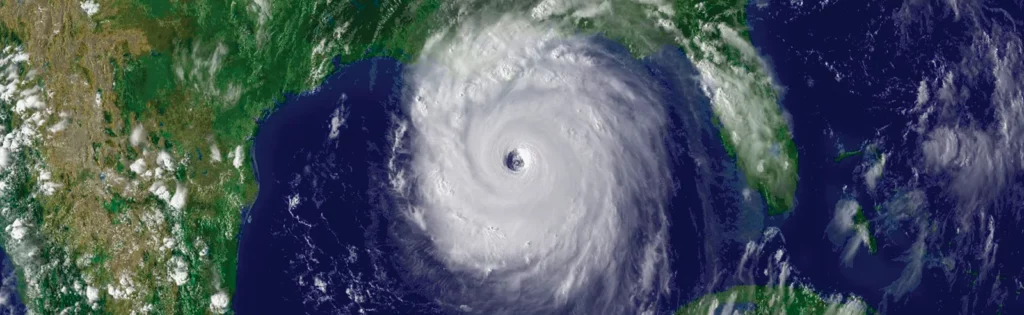
The African region is a crucial starting point for hurricanes because it provides the ideal environmental conditions for their formation, such as warm sea surface temperatures, low vertical wind shear, and moist atmospheric conditions. Additionally, the interaction between the African easterly jet and the African easterly waves, known as AEWs, plays a significant role in the development of hurricanes.
The African easterly jet is a fast-moving wind current that flows from east to west across the African continent, at an altitude of around 15,000 feet. The jet stream is strongest during the summer months, from June to September, which is also the peak of the hurricane season in the Atlantic. The African easterly waves, on the other hand, are areas of low pressure that move westward across the African continent, from the coast of Senegal to the eastern Atlantic. These waves are important because they can trigger the formation of tropical storms and hurricanes.
When the African easterly wave interacts with the warm and moist air over the Atlantic Ocean, it can cause the air to rise and form a cluster of thunderstorms. As the thunderstorms grow, they can form a tropical depression, which can then develop into a tropical storm and eventually a hurricane. The warm sea surface temperatures provide the necessary energy for the storm to intensify, while the low vertical wind shear allows the storm to maintain its shape and structure.
The African region is also vulnerable to climate change, which is affecting the frequency and intensity of hurricanes. As the global temperatures rise, the sea surface temperatures in the Atlantic are also increasing, providing more fuel for hurricanes to form and strengthen. Additionally, the changing climate is altering the patterns of wind shear and atmospheric moisture, which can impact the formation and intensity of hurricanes.
In recent years, there has been an increase in the number of hurricanes that are forming in the Atlantic, with many of them originating in the African region. In 2017, Hurricane Irma, one of the most powerful storms on record, formed in the Atlantic and devastated several islands in the Caribbean and the southeastern United States. Hurricane Harvey, which struck Texas in the same year, was another powerful storm that formed in the Atlantic and caused widespread flooding and damage.
In conclusion, hurricanes start in Africa because of the ideal environmental conditions that exist in the region, including warm sea surface temperatures, low vertical wind shear, and moist atmospheric conditions. The interaction between the African easterly jet and the African easterly waves is also a critical factor in the formation of hurricanes. While the African region has always been a hotspot for hurricane activity, the changing climate is making the region even more vulnerable to the formation and intensification of hurricanes.