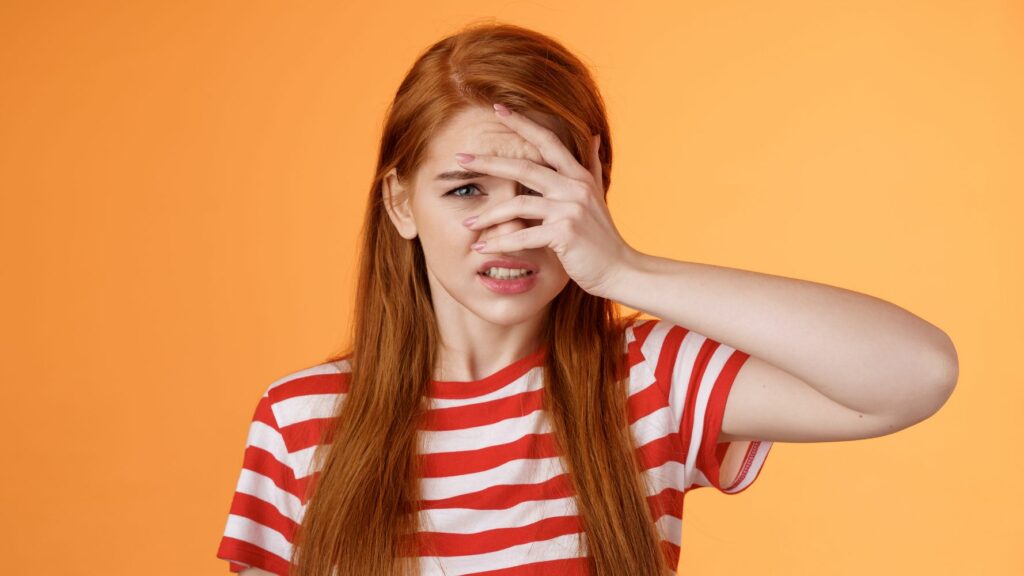
The feeling of love is a complex and subjective experience that can elicit a wide range of emotions and reactions from individuals. Some people may find the expression of love or romantic gestures to be cringy or uncomfortable, while others may embrace them with open arms. In this article, we will explore some of the reasons why some people might feel that love is cringy.
- Social Conditioning
One of the main reasons why some people may find the expression of love cringy is due to societal conditioning. From a young age, many of us are exposed to romanticized portrayals of love and relationships through media such as movies, TV shows, and music. These portrayals often present idealized and unrealistic depictions of love that can create unrealistic expectations and lead to disappointment when real-life relationships fail to live up to them.
Moreover, societal norms and cultural expectations can create pressure to conform to certain behaviors or expressions of love. For example, the pressure to engage in public displays of affection, such as holding hands or kissing in public, can make some people feel uncomfortable or embarrassed.
- Fear of Vulnerability
Love often involves a deep sense of vulnerability, as it requires individuals to open themselves up to the possibility of rejection or heartbreak. For some people, this vulnerability can be uncomfortable or even frightening, leading them to avoid situations that may make them feel exposed.
Furthermore, the fear of vulnerability can lead some people to become guarded or defensive when it comes to matters of the heart. This can manifest as a reluctance to express emotions or engage in romantic gestures, as these actions may be perceived as giving too much power or control to the other person.
- Personal Experiences
Personal experiences can also shape an individual’s feelings toward love. If someone has been hurt or betrayed in the past, they may be more guarded and less willing to trust others with their emotions. Similarly, if someone has grown up in a household where love was not expressed or was expressed in unhealthy ways, they may have developed negative associations with love and relationships.
Moreover, past experiences with love can create subconscious beliefs and biases that impact how an individual perceives and reacts to romantic situations. For example, if someone has experienced rejection or abandonment in the past, they may interpret certain actions or behaviors from their partner as signs of impending rejection, even if that is not the case.
- Fear of Intimacy
Love often involves a deep level of emotional and physical intimacy, which can be scary for some people. The fear of intimacy may stem from a variety of sources, including past trauma or abuse, anxiety, or a lack of trust in others.
For some individuals, the fear of intimacy may manifest as a discomfort with romantic gestures or displays of affection, as these actions can feel too close or invasive. In extreme cases, the fear of intimacy can lead to a complete avoidance of romantic relationships altogether.
- Cultural Differences
Cultural differences can also play a role in how an individual perceives and reacts to love. In some cultures, the expression of love or affection may be seen as inappropriate or taboo, leading individuals to feel uncomfortable or embarrassed when faced with such situations.
Furthermore, cultural expectations and gender roles can create pressure to conform to certain behaviors or expressions of love. For example, in some cultures, men are expected to be more stoic and reserved when it comes to matters of the heart, while women are expected to be more emotional and expressive.
In conclusion, the feeling of love is a complex and subjective experience that can elicit a wide range of emotions and reactions from individuals. While some people may find the expression of love cringy or uncomfortable, it is important to recognize that these feelings are often rooted in societal conditioning, personal experiences, and cultural differences. By exploring the underlying reasons for these feelings, individuals can gain