Compression socks are tight-fitting socks designed to help improve blood circulation in the legs. They work by applying pressure to the legs, which helps to promote blood flow back to the heart. Compression socks are commonly worn by people who spend long periods sitting or standing, such as office workers, travelers, athletes, and people with circulatory issues.
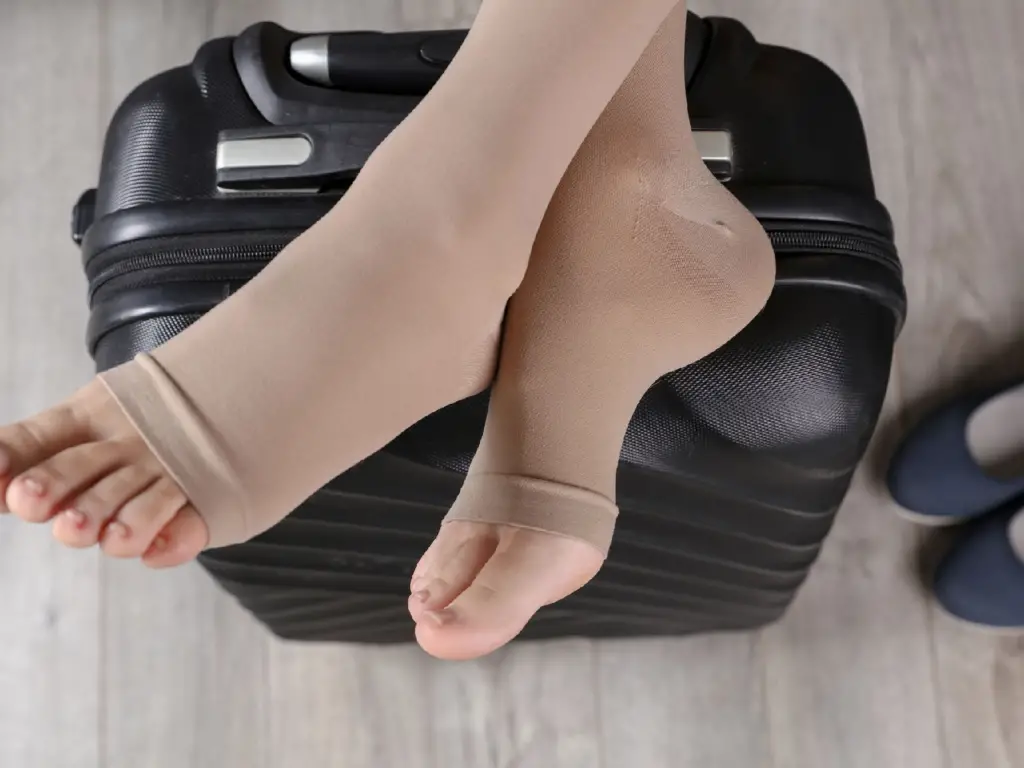
However, some people may experience leg aches or discomfort after wearing compression socks. This can be caused by several factors, including the following:
- Size and Fit: Compression socks come in different sizes and compression levels. Wearing socks that are too small or too large can cause discomfort and pain in the legs. It is important to choose the right size and compression level based on your measurements and needs. Consulting with a healthcare professional can also help you determine the appropriate size and level of compression.
- Duration of Use: Wearing compression socks for too long can cause leg aches and discomfort. It is recommended to wear them for a maximum of 8 hours a day. Prolonged use can cause the muscles to become fatigued, leading to pain and discomfort.
- Underlying Medical Conditions: Leg aches and discomfort after wearing compression socks may also be a sign of an underlying medical condition. People with conditions such as peripheral artery disease, deep vein thrombosis, or varicose veins may experience discomfort when wearing compression socks. It is important to consult with a healthcare professional if you experience persistent discomfort or pain.
- Dehydration: Wearing compression socks can cause your legs to sweat, leading to dehydration. Dehydration can cause muscle cramps, which can lead to leg aches and discomfort. Drinking plenty of water can help prevent dehydration and muscle cramps.
- Allergic Reactions: Some people may experience allergic reactions to the materials used in compression socks. This can cause skin irritation and discomfort in the legs. It is important to choose compression socks made from hypoallergenic materials to prevent allergic reactions.
- Incorrect Use: Incorrect use of compression socks can also cause leg aches and discomfort. It is important to follow the manufacturer’s instructions on how to properly wear and care for the socks. Wearing the socks too tightly or folding them can cause discomfort and pain.
If you experience leg aches or discomfort after wearing compression socks, there are several things you can do to alleviate the pain. These include:
- Removing the socks: If the discomfort persists, removing the socks may be necessary. Taking a break from wearing the socks for a few hours can help alleviate leg aches and discomfort.
- Resting: Resting your legs can help reduce muscle fatigue and alleviate pain. Elevating your legs can also help improve blood flow and reduce swelling.
- Hydrating: Drinking plenty of water can help prevent dehydration and muscle cramps. It is recommended to drink at least 8 cups of water a day.
- Stretching: Gentle stretching exercises can help improve blood circulation and reduce muscle tension. Stretching your legs before and after wearing compression socks can help prevent leg aches and discomfort.
- Choosing the right size and compression level: Choosing the right size and compression level can help prevent leg aches and discomfort. Consulting with a healthcare professional can help you determine the appropriate size and level of compression for your needs.
- Consulting with a healthcare professional: If leg aches and discomfort persist, it is important to consult with a healthcare professional. They can help determine the underlying cause and provide appropriate treatment.
In conclusion, leg aches and discomfort after wearing compression socks can be caused by several factors, including the size and fit of the socks, the duration of use, underlying medical conditions, dehydration, allergic reactions, and incorrect use. Taking appropriate measures such as choosing the right size and compression level, resting,