Psychiatric wards, also known as mental health units or psych wards, are specialized medical facilities that provide care and treatment for individuals with mental health conditions. These units are designed to create a safe and therapeutic environment for patients who may be experiencing acute psychiatric symptoms or are at risk of harm to themselves or others. One common feature of many psychiatric wards is the use of grippy socks, which are socks with rubberized treads on the bottom. These socks serve several important purposes in the context of mental health care, and their use is based on a combination of safety, hygiene, and therapeutic considerations.
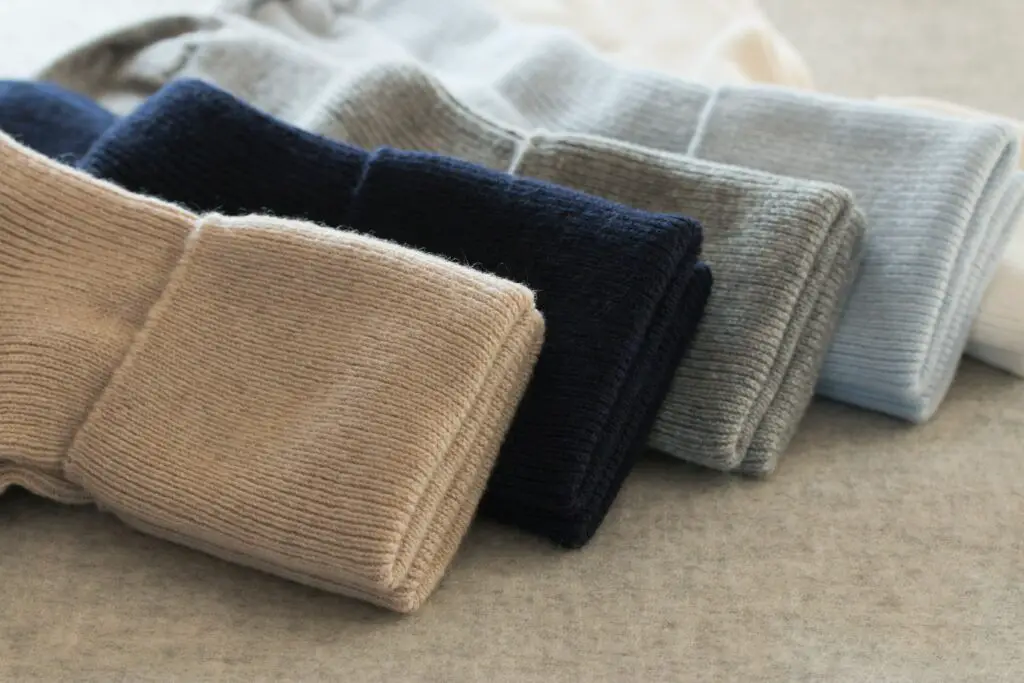
First and foremost, grippy socks are used in psychiatric wards to enhance patient safety. Mental health units often admit patients who may be at risk of falls or injuries due to symptoms such as agitation, restlessness, or disorientation. Patients with conditions like schizophrenia, bipolar disorder, or major depressive disorder may experience episodes of confusion or impulsivity that can lead to accidents.
Grippy socks help to reduce the risk of slips and falls by providing traction on the floors of the unit, which are typically made of smooth materials like linoleum or tile. The rubberized treads on the bottom of the socks create friction between the socks and the floor, making it less likely for patients to lose their footing and injure themselves. This is particularly important in environments where patients may be closely monitored, but may not be under constant supervision, such as during the night or in common areas where patients gather.
In addition to enhancing patient safety, grippy socks also contribute to maintaining hygiene standards in psychiatric wards. Many mental health units have strict infection control protocols in place to prevent the spread of germs and protect patients and staff from communicable diseases. Grippy socks can help in this regard by reducing the contact of patients’ bare feet with the floors, which can harbor bacteria or other contaminants. By wearing grippy socks, patients can keep their feet covered and minimize direct contact between their skin and the floor, helping to maintain a clean and sanitary environment.
Moreover, grippy socks can have therapeutic benefits for patients in psychiatric wards. Mental health units aim to provide a supportive and therapeutic environment where patients can engage in activities that promote their recovery and well-being. Grippy socks can be seen as a simple tool that promotes patient engagement and empowerment. Patients who feel safe and secure in their environment are more likely to participate in therapeutic activities, such as group therapy sessions, art therapy, or physical exercise. Grippy socks provide patients with a sense of stability and control over their environment, which can be particularly important in a psychiatric setting where patients may feel vulnerable or anxious. Additionally, grippy socks can help patients maintain a sense of dignity and self-respect by allowing them to maintain proper footwear, even if they are not wearing traditional shoes.
Furthermore, grippy socks can also be used as a form of de-escalation and restraint reduction technique in psychiatric wards. In some cases, patients may become agitated, aggressive, or physically confrontational due to their mental health condition. The use of physical restraints, such as handcuffs or other forms of mechanical restraints, is generally considered a last resort in psychiatric care due to the potential for harm and trauma to patients. Grippy socks can be used as an alternative to physical restraints, as they provide a way to immobilize a patient’s movements without causing harm. For example, if a patient is at risk of harming themselves or others by running or slipping on the floor, staff can suggest or provide grippy socks as a way to prevent such behavior without resorting to more intrusive forms of restraint.
In conclusion, the use of grippy socks in psychiatric wards serves multiple purposes related to safety, hygiene, and therapeutic considerations. They help to reduce the risk of slips and falls, maintain hygiene standards.