The United States dime is a small, ten-cent coin that has been in circulation since 1796. Over the years, the composition of the dime has changed several times, from being made primarily of silver to being made mostly of copper and nickel.
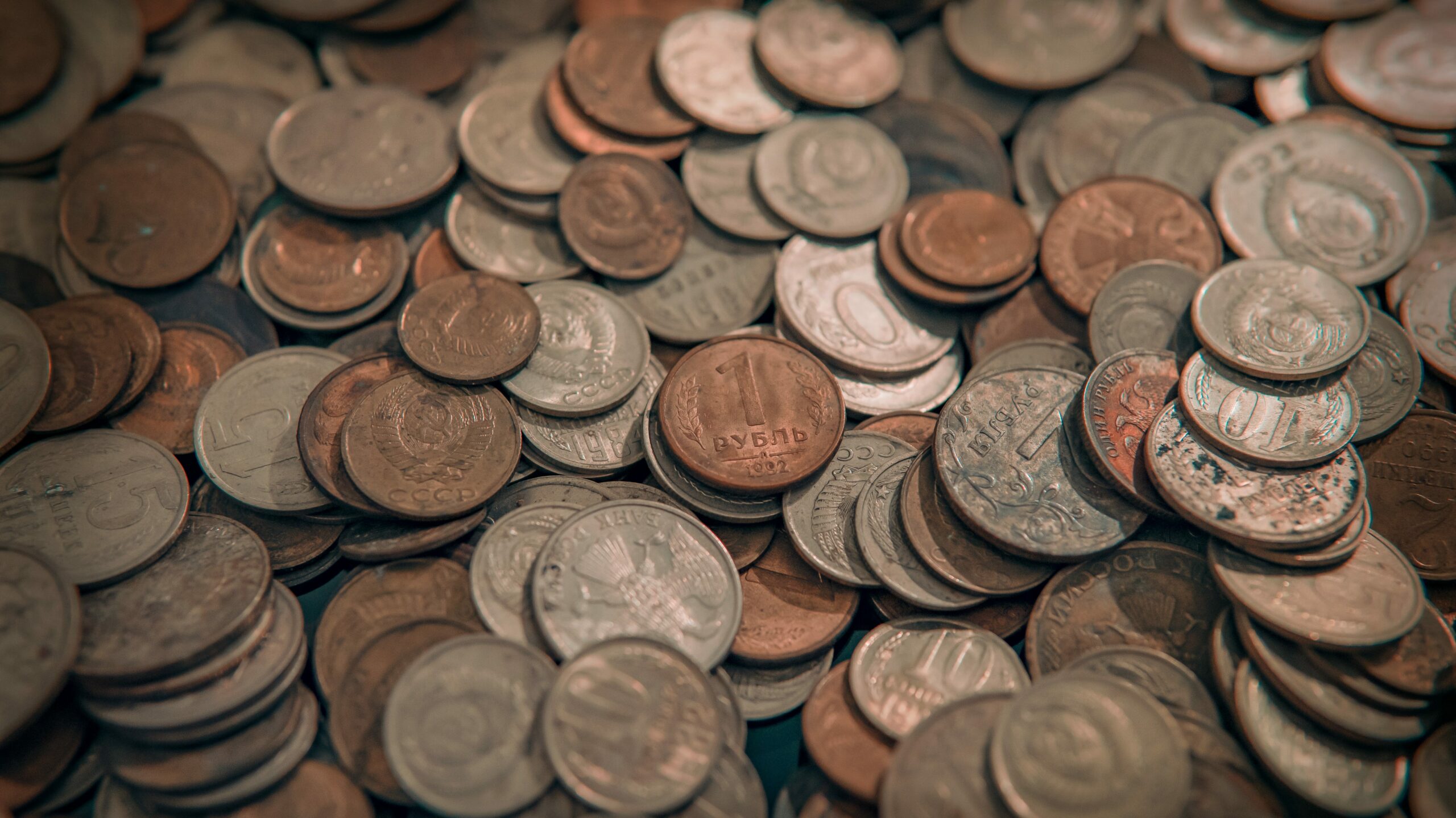
In 1965, due to a silver shortage, the U.S. Mint began making dimes out of a copper-nickel alloy, which is still used today. The current composition of a dime is 91.67% copper and 8.33% nickel.
Over time, dimes can become discolored due to a variety of factors, including exposure to the elements, contact with other metals, and chemical reactions. As copper is one of the primary components of the dime, it is possible for the coin to take on a coppery appearance.
One common cause of a copper-colored dime is toning. Toning is a natural process that occurs when the surface of a coin reacts with the environment. This reaction can cause the coin’s surface to take on various colors, including shades of brown, red, and copper. Toning can be caused by exposure to air, moisture, and chemicals.
Another factor that can contribute to the appearance of a copper-colored dime is contact with other metals. If a dime comes into contact with another metal, it can create a chemical reaction that causes the surface of the coin to change color. For example, if a dime comes into contact with a copper object, it can cause the coin’s surface to take on a coppery appearance.
In some cases, a copper-colored dime may be the result of an error during the minting process. The U.S. Mint has made mistakes in the past, such as producing coins with the wrong composition or missing certain markings. While these errors are relatively rare, they can make a coin more valuable to collectors.
If you have a dime that appears to be copper-colored, it may be worth taking it to a reputable coin dealer or appraiser to have it evaluated. A professional can help determine the cause of the discoloration and assess the coin’s value.
In conclusion, a dime may appear copper-colored due to toning, contact with other metals, or errors during the minting process. While a copper-colored dime may not be as valuable as a rare or error coin, it can still be an interesting addition to a coin collection. If you have a coin that you believe may be valuable, it is always best to have it evaluated by a professional.