As a language model AI, I cannot observe your dog’s behavior directly, so I can only provide potential explanations based on general knowledge about canine behavior. Dogs do not have the same range of facial expressions as humans, so interpreting a “smirk” in the traditional sense may be anthropomorphic. However, dogs do communicate through body language and facial expressions, so there may be some cues that could be interpreted as a “smirk.” Here are some possible reasons why your dog may appear to be smirking at you:
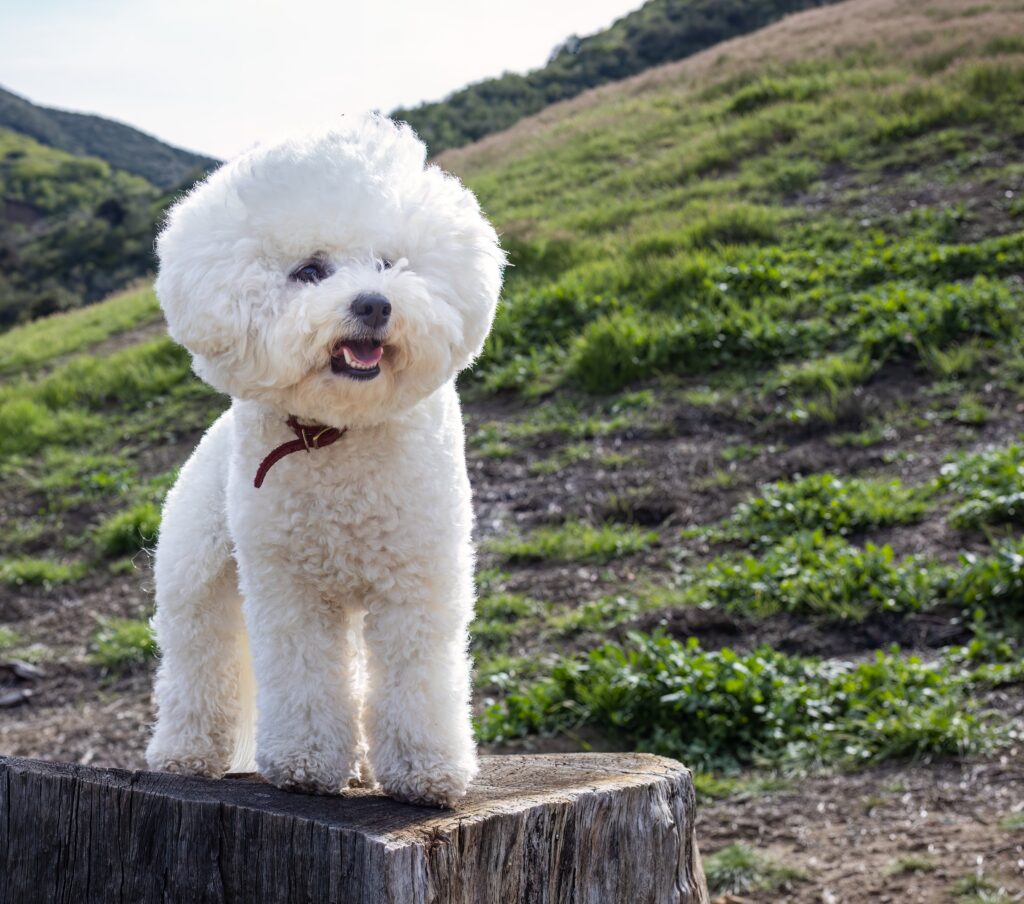
- Playfulness: Dogs often use playfulness as a way to communicate and bond with their human companions. A dog may appear to be smirking when it is in a playful mood, accompanied by wagging tail, prancing, or other playful behaviors. This “smirk” may simply be a reflection of their excitement and joy in engaging with you in play.
- Social Interaction: Dogs are social animals and often use facial expressions to communicate with their human companions. The “smirk” you perceive may be a sign of your dog’s eagerness to interact with you. It could indicate that your dog is happy to see you, wants attention, or is anticipating some form of positive interaction, such as receiving treats or going for a walk.
- Submissive or Appeasement Behavior: Dogs may exhibit submissive or appeasement behavior, which can sometimes be misinterpreted as a “smirk.” When a dog feels anxious, fearful, or stressed, it may adopt a submissive posture, including lowering its head, pulling back its ears, or showing a “smirk-like” expression. This may be an attempt to communicate non-threatening intentions and to avoid conflict or confrontation.
- Bonding and Affection: Dogs are known for their strong bond with their human companions, and they often express their affection through various gestures, including facial expressions. The “smirk” you perceive could be a manifestation of your dog’s fondness for you, expressing love and attachment.
- Breed-Specific Traits: Some dog breeds have unique facial features that may give the impression of a “smirk.” For example, certain breeds with short muzzles, such as Bulldogs or Boxers, may have a naturally wrinkled or pushed-in appearance that could be interpreted as a “smirk.” However, it’s important to note that such expressions may not necessarily be intentional or convey a specific meaning.
- Medical or Physiological Factors: It’s also possible that there may be medical or physiological factors that are influencing your dog’s facial expression. For example, if your dog is experiencing discomfort or pain due to dental issues, eye problems, or other health concerns, it may unintentionally exhibit a “smirk-like” expression as a response to the discomfort.
- Observer Bias: Human perception can be subjective, and we may interpret canine behavior based on our own emotions, experiences, and expectations. It’s possible that you are attributing human-like emotions or intentions to your dog’s facial expression, when in reality, it may not have the same meaning from a canine perspective.
It’s important to remember that interpreting canine behavior is complex and can be influenced by various factors. To accurately understand your dog’s behavior, it’s essential to consider their overall body language, context, and other cues they may be exhibiting. Consulting with a professional animal behaviorist or veterinarian may be helpful in gaining a better understanding of your dog’s behavior and body language.
In conclusion, while dogs do communicate through body language and facial expressions, interpreting a “smirk” in the traditional sense may be anthropomorphic and may not necessarily convey a specific meaning. There could be various reasons why your dog appears to be smirking, including playfulness, social interaction, submissive behavior, bonding, breed-specific traits, or medical factors