If you notice that your urine has a smell that resembles popcorn, it could be due to several reasons. In some cases, it could be normal, while in others, it could indicate an underlying health condition. Here are some possible reasons why your urine smells like popcorn:
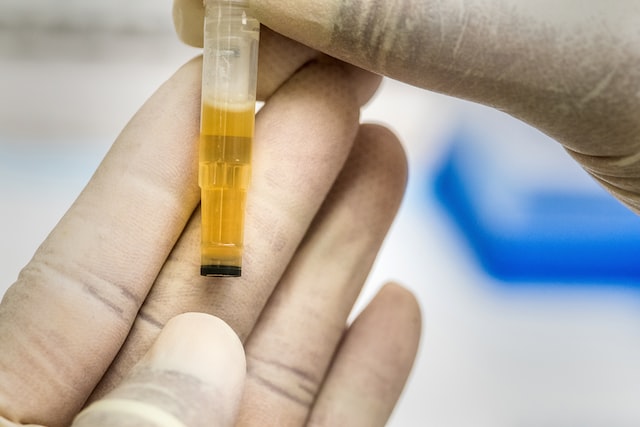
- Dehydration: When you are dehydrated, your urine becomes concentrated, which can cause it to have a stronger odor. The smell of concentrated urine can resemble popcorn or ammonia.
- Urinary tract infection (UTI): UTIs are caused by bacteria that infect the urinary tract. They can cause symptoms such as frequent urination, burning or pain during urination, and a strong odor to the urine. In some cases, the odor can resemble popcorn.
- Diabetes: Diabetes can cause a sweet or fruity odor to the breath, urine, or sweat due to the presence of ketones, which are produced when the body breaks down fat for energy. In some cases, the smell of ketones in the urine can resemble popcorn.
- Maple syrup urine disease (MSUD): MSUD is a rare genetic disorder that affects the body’s ability to break down certain amino acids properly. As a result, the urine can have a sweet smell that resembles maple syrup or popcorn.
- Certain foods: Certain foods, such as popcorn or other corn-based products, can cause the urine to have a popcorn-like smell. Other foods that can cause changes in urine odor include asparagus, garlic, and onions.
If you are concerned about the smell of your urine or have other symptoms, such as pain or burning during urination, it is essential to talk to your healthcare provider. Your provider may ask you questions about your symptoms and medical history, perform a physical exam, and order diagnostic tests, such as a urinalysis or urine culture, to help determine the underlying cause. Based on the results, your provider can recommend the appropriate treatment or further testing if necessary.
In summary, if you notice that your urine smells like popcorn, it could be due to dehydration, a urinary tract infection, diabetes, maple syrup urine disease, or certain foods. If you are concerned about your symptoms or have other symptoms, it is essential to talk to your healthcare provider to determine the underlying cause and receive the appropriate treatment.