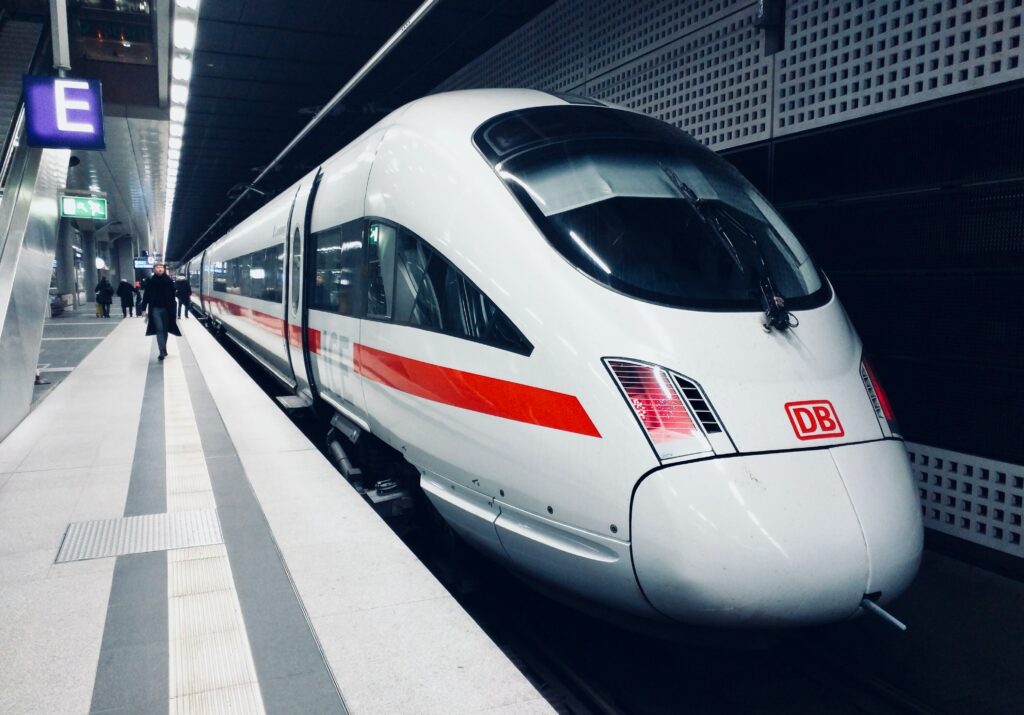
Bullet trains, also known as high-speed trains, are a popular transportation option in many countries around the world, including Japan, France, and China. However, the United States has been slower to adopt this technology, despite some limited high-speed rail projects in certain regions of the country. In this response, we will explore some of the reasons why the United States has not widely adopted bullet trains.
Cost One of the primary reasons why the United States has not embraced bullet trains is the high cost of building and maintaining the necessary infrastructure. Constructing new rail lines, upgrading existing ones, and acquiring the necessary trains and equipment can be prohibitively expensive. This cost has deterred many states and local governments from investing in high-speed rail projects, as they would need to shoulder a significant portion of the financial burden.
Population density Another factor that has hindered the widespread adoption of bullet trains in the United States is the country’s relatively low population density compared to other countries. Many of the countries that have successfully implemented high-speed rail systems, such as Japan and France, have much higher population densities, which makes it easier to justify the cost of building and maintaining these systems. In contrast, the United States has a much lower population density, which means that there are fewer potential riders to offset the high cost of the infrastructure.
Lack of political will The United States also lacks the political will to invest in high-speed rail infrastructure. Many politicians are more focused on other issues, such as national security, healthcare, and education, and do not see high-speed rail as a priority. Additionally, there are significant disagreements between political parties on how to fund and manage these projects, which can make it difficult to build a consensus on the need for high-speed rail.
Competition from airlines Another factor that has hindered the adoption of bullet trains in the United States is competition from airlines. Domestic air travel is often cheaper and faster than taking a train, which means that there is less demand for high-speed rail. Additionally, airlines have significant political influence, which means that they can lobby against high-speed rail projects that would compete with their business.
Fragmented transportation system The United States has a fragmented transportation system, with many different modes of transportation, including cars, buses, trains, and airplanes. This fragmentation makes it difficult to build a cohesive high-speed rail system that can effectively compete with other modes of transportation. Additionally, many cities and towns are not well-connected to the existing rail network, which can make it difficult for passengers to access high-speed trains.
Infrastructure challenges Building a high-speed rail system in the United States would also present significant infrastructure challenges. Many existing rail lines are not designed for high-speed trains, which means that they would need to be upgraded or replaced. Additionally, building new rail lines would require acquiring land and navigating complex zoning laws, which can be difficult and time-consuming.
In conclusion, the United States has not widely adopted bullet trains for a variety of reasons, including the high cost of building and maintaining the necessary infrastructure, the relatively low population density, the lack of political will, competition from airlines, the fragmented transportation system, and significant infrastructure challenges. While there have been some limited high-speed rail projects in certain regions of the country, it remains to be seen whether the United States will embrace this technology on a larger scale in the future.