In Indian culture, it is considered impolite and unclean to eat food with the left hand. This is because the left hand is traditionally used for cleaning oneself after using the toilet, so using it to handle food is seen as unhygienic and disrespectful. The right hand, on the other hand, is considered clean and pure, and is used for eating, greeting, and other actions that require touch.
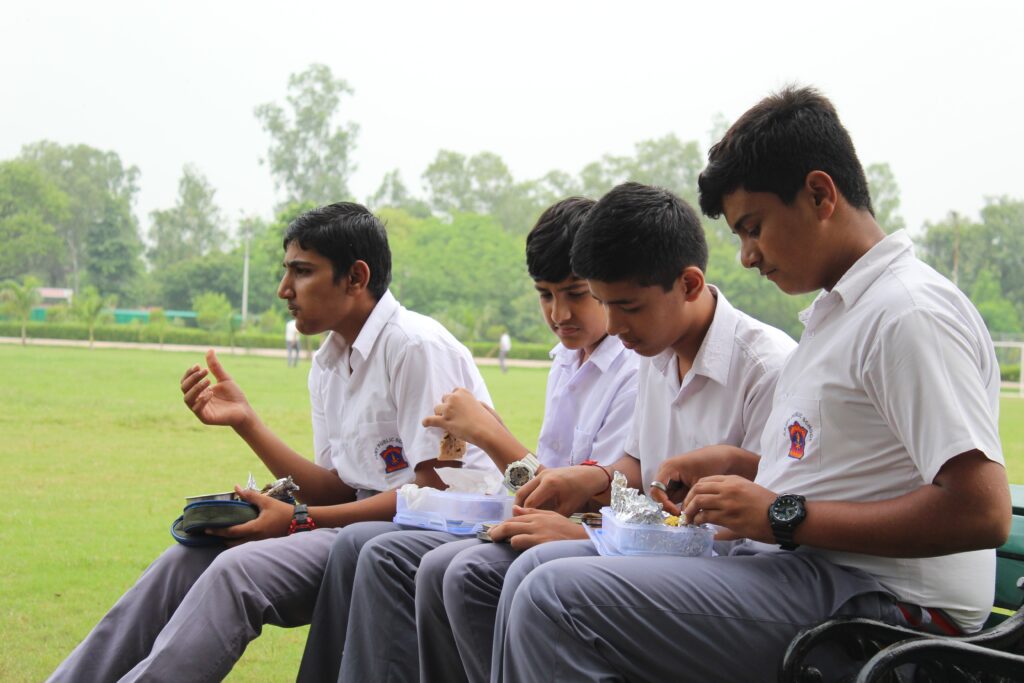
The belief that the left hand is unclean has its roots in ancient Indian tradition, where cleanliness and purity were highly valued. In Indian culture, it is believed that cleanliness is not just physical, but also spiritual, and that a clean body leads to a pure mind and soul. As such, cleanliness rituals were an important part of daily life, and the left hand was reserved for tasks considered unclean or impure.
This cultural practice of not eating with the left hand is still widely observed in India today, although it may vary in different regions and communities. It is also worth noting that this practice is not unique to Indian culture, as many other cultures around the world also have similar beliefs and customs regarding the use of the left hand.
In addition to cultural and religious reasons, there are also practical reasons for not eating with the left hand. Indian cuisine typically involves eating with one’s hands, rather than using utensils, and the right hand is used to scoop up food from a shared platter or plate. Using the left hand to handle food can result in accidental contamination, which can lead to foodborne illness.
Overall, the practice of not eating with the left hand in Indian culture is a reflection of the importance placed on cleanliness and purity, both in a physical and spiritual sense. While this practice may seem unusual or even unnecessary to those from other cultures, it is an integral part of Indian traditions and beliefs, and is still widely observed and respected today.