Colorado, located in the western United States, is known for its diverse geography, ranging from the Rocky Mountains to the high plains. One of the most prominent features of the state is its high winds, which can be both beneficial and detrimental. In this article, we will explore the reasons why Colorado is so windy.
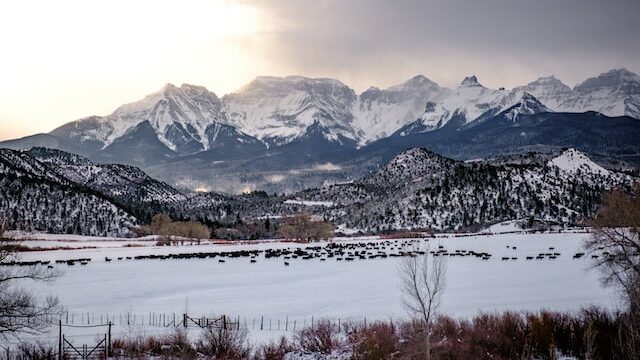
Firstly, it is important to understand that wind is caused by differences in air pressure. Air naturally moves from areas of high pressure to areas of low pressure, and this movement is what we experience as wind. In Colorado, there are several factors that contribute to these pressure differences.
One of the primary contributors to Colorado’s wind is its high elevation. Colorado has an average elevation of 6,800 feet above sea level, making it the highest state in the country. At higher elevations, the air is thinner, and there is less air pressure. This means that the air at high altitudes is always trying to move towards areas of lower pressure, creating wind.
Additionally, Colorado’s topography plays a role in its windy conditions. The state’s geography is characterized by steep mountains, deep valleys, and wide open plains. As air moves across the landscape, it encounters different types of terrain, which can cause it to speed up or slow down. For example, when air moves across a mountain range, it is forced to rise, causing it to cool and condense, which can lead to cloud formation and precipitation. As the air moves over the mountain and descends on the other side, it warms up and dries out, creating strong, dry winds known as Chinooks or Foehns.
Another factor that contributes to Colorado’s wind is its location in the middle of the continent. The state is far from any large bodies of water, which means that there are no natural barriers to slow down or redirect the wind. The lack of any significant water bodies also means that the air in Colorado is relatively dry, which can make it more susceptible to changes in temperature and pressure.
Furthermore, Colorado’s climate is characterized by a large range of temperatures, both throughout the year and within individual days. The state experiences hot summers and cold winters, and temperatures can vary widely from day to night. These temperature changes cause the air to expand and contract, which creates differences in air pressure that can lead to wind.
Finally, human activities can also contribute to Colorado’s wind. For example, the state has a significant agricultural industry that relies on irrigation. The process of irrigating crops can cause moisture to evaporate, which can cool the air and create localized areas of low pressure that can lead to wind. Additionally, the state has a growing wind energy industry, which harnesses the power of the wind to generate electricity. This industry requires consistent and strong winds, making Colorado an ideal location for wind farms.
In conclusion, there are several reasons why Colorado is so windy. Its high elevation, diverse topography, location in the middle of the continent, variable climate, and human activities all contribute to its windy conditions. While wind can be both beneficial and detrimental, it is an important aspect of Colorado’s natural environment and economy.