The term “12” is a code name for police officers, particularly in urban American culture. Its origin is unclear, but several theories exist as to why cops are called 12.
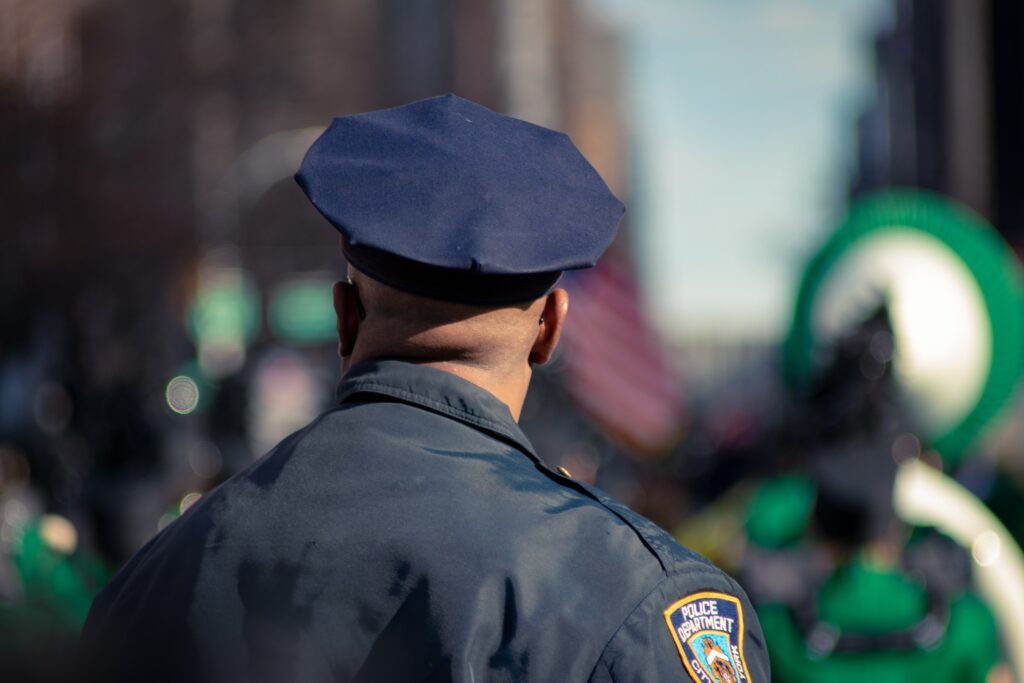
One theory is that the term originated from the police radio code 10-12, which means “visitors present.” This code was often used by police officers to communicate the presence of bystanders or non-police personnel at a crime scene or location. Over time, the code became synonymous with the presence of police officers themselves.
Another theory suggests that the term “12” comes from the number of police officers typically present in a squad car or on a police shift. This theory is supported by the fact that the number 12 is often used as a slang term for a group or collective, as in “The Dirty Dozen” or “The Twelve Apostles.”
A third theory posits that the term “12” originated from the 1960s TV show “Adam-12,” which followed the daily work of two Los Angeles police officers. The show was popular at the time and may have contributed to the popularization of the term.
Regardless of its origin, the term “12” has become a widely recognized code name for police officers. It is often used in hip hop and rap music as a reference to law enforcement, and it has been adopted by some urban communities as a way to identify the presence of police officers without attracting their attention.
The use of slang terms to refer to police officers is not new. In the 1920s and 1930s, police officers were often referred to as “coppers” or “bulls.” These terms were derogatory and were used to express resentment and distrust of law enforcement.
In the 1960s and 1970s, as the civil rights movement gained momentum, new slang terms emerged that reflected the growing tension between urban communities and law enforcement. Terms like “pigs” and “fuzz” were used to express anger and frustration with police officers who were perceived as abusive or discriminatory.
The term “12” emerged in the 1980s and 1990s as a more neutral alternative to these derogatory terms. While it still conveys a sense of distrust or unease around law enforcement, it is less overtly hostile and more commonly used as a way to identify the presence of police officers without drawing attention to oneself.
The use of code names and slang terms to refer to police officers reflects a long-standing tension between law enforcement and the communities they serve. In many urban areas, police officers are seen as outsiders who are more interested in enforcing the law than in protecting and serving the community.
This perception has been reinforced by a number of high-profile incidents of police brutality and misconduct in recent years. The Black Lives Matter movement, which emerged in response to the killing of unarmed black men by police officers, has brought renewed attention to this issue and has called for significant reforms to the way law enforcement operates in the United States.
While the term “12” may seem like a harmless bit of slang, it reflects a deeper cultural divide between law enforcement and the communities they serve. Until this divide is bridged, code names and slang terms will continue to be used as a way to express distrust and frustration with law enforcement.