Bearded dragons are beloved pets, known for their calm demeanor and ease of care. They are generally active creatures, constantly exploring their environment and basking in the warmth of their heat lamps. However, if you have noticed that your bearded dragon is not moving around as much as usual, it could be a sign of an underlying health issue or environmental problem.
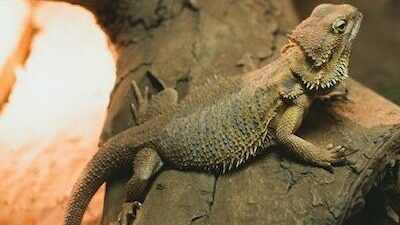
One possible reason for a bearded dragon’s lethargy is a problem with their temperature or lighting. Bearded dragons are cold-blooded animals, meaning that they rely on external heat sources to regulate their body temperature. If their enclosure is too cold or they do not have access to a heat source, they may become lethargic or sluggish. Similarly, if they do not have access to proper lighting, their metabolism can slow down, leading to reduced activity levels.
To ensure that your bearded dragon’s temperature and lighting are appropriate, use a thermometer to monitor the temperature in their enclosure. The basking area should be around 100 to 110 degrees Fahrenheit (38 to 43 degrees Celsius), while the cooler side of the enclosure should be between 75 and 85 degrees Fahrenheit (24 to 29 degrees Celsius). You should also provide a UVB light source, which is necessary for your bearded dragon to synthesize vitamin D3, an essential nutrient for bone health and metabolism. UVB bulbs should be replaced every 6 to 12 months to ensure that they are still producing adequate UVB radiation.
Another possible reason for your bearded dragon’s lethargy is an issue with their diet or hydration. Bearded dragons require a balanced diet of protein, vegetables, and fruits to maintain their health. If they are not getting enough of any of these nutrients, it can affect their activity levels. For example, if they are not getting enough protein, they may become weak and lethargic.
It is also crucial to ensure that your bearded dragon is adequately hydrated. They require a source of fresh water, as well as a humid environment to support their respiratory health. Dehydration can cause lethargy, so it is essential to make sure that your bearded dragon is drinking enough water.
If your bearded dragon is not moving around as much as usual, it could be a sign of an underlying illness or injury. Some common health problems that can cause lethargy in bearded dragons include respiratory infections, parasites, metabolic bone disease, and impaction. If you suspect that your bearded dragon is sick or injured, you should take them to a veterinarian who specializes in reptile care as soon as possible.
Stress is another factor that can cause a bearded dragon to become lethargic. Bearded dragons can become stressed for various reasons, including changes in their environment, loud noises, or handling. When they are stressed, they may become lethargic and hide more often. If you suspect that your bearded dragon is stressed, try to identify the source of the stress and remove it if possible. You may also want to provide them with a hiding place in their enclosure where they can retreat if they feel anxious.
In conclusion, if you have noticed that your bearded dragon is not moving around as much as usual, it could be a sign of a variety of potential issues. It is important to carefully monitor their environment, diet, and behavior to identify any potential problems. If you suspect that your bearded dragon is sick or injured, it is crucial to take them to a veterinarian who specializes in reptile care for a thorough examination. By addressing any issues promptly and providing your bearded dragon with the proper care and environment, you can help ensure that they remain healthy and active for years to come.