The belly button, or navel, is a small depression in the center of the abdomen that can sometimes accumulate moisture and develop an unpleasant odor. Several factors can contribute to a wet and smelly belly button, and understanding the underlying causes can help address the issue effectively.
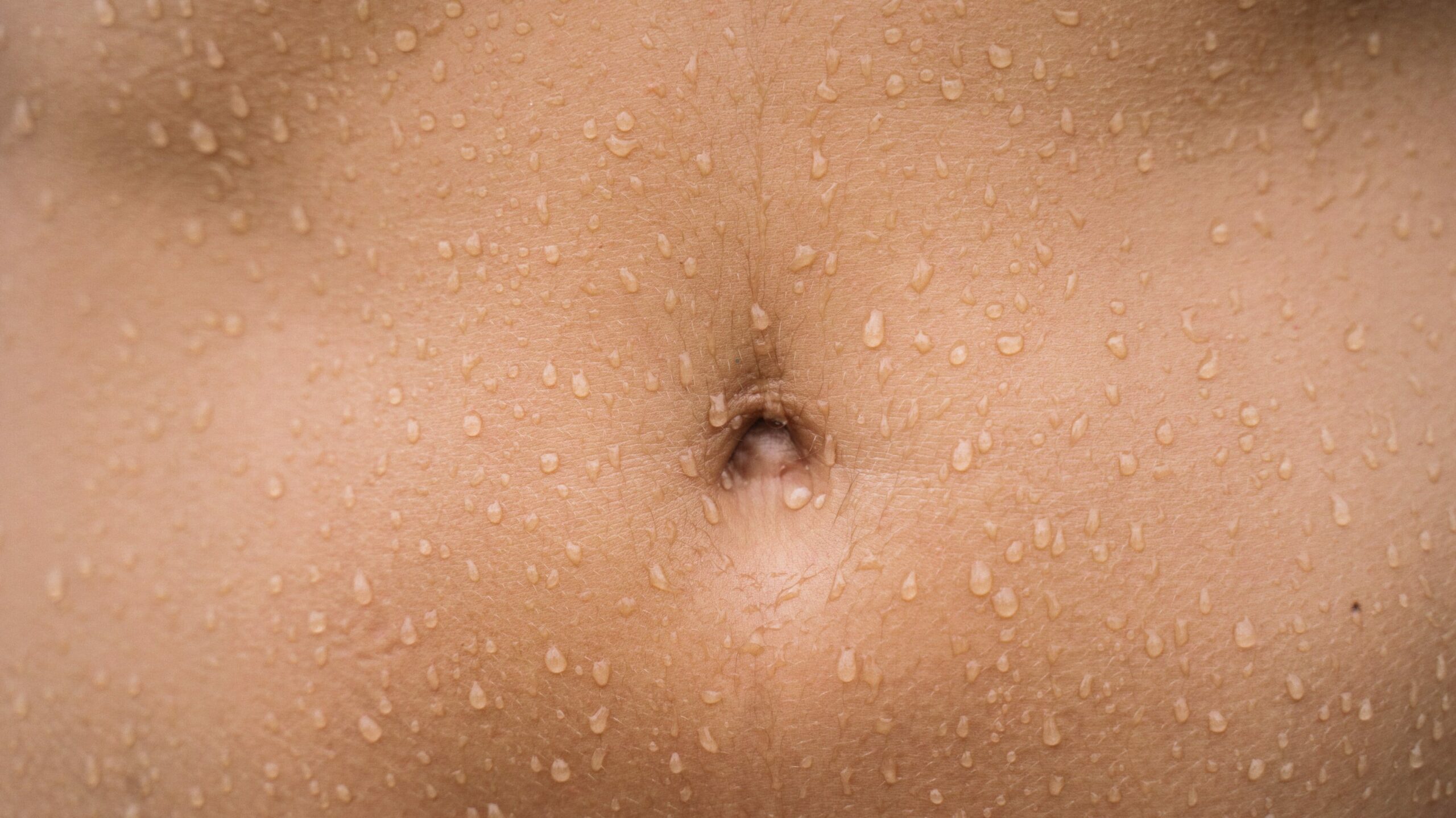
- Perspiration: Like other parts of the body, the belly button contains sweat glands that can produce sweat, which can accumulate in the navel area. Sweat, combined with warmth and darkness in the belly button, can create a conducive environment for the growth of bacteria, leading to a foul odor.
- Poor Hygiene: Inadequate or improper cleaning of the belly button can also result in a buildup of sweat, dirt, dead skin cells, and other debris. Over time, this accumulation can create a moist environment that promotes bacterial growth and produces a foul smell.
- Infection: In some cases, a wet and smelly belly button may be a result of an infection. Bacterial or fungal infections can occur in the navel area, especially if there is an open wound, piercing, or other skin irritation. Infections can cause increased moisture and an unpleasant odor, along with other symptoms such as redness, swelling, and pain.
- Umbilical Granuloma: In infants, an umbilical granuloma can develop in the belly button after the umbilical cord stump falls off. An umbilical granuloma is a small, moist, reddish or pinkish lump that can produce a discharge and a foul smell. It requires medical attention for proper treatment.
- Medical Conditions: Certain medical conditions, such as obesity, diabetes, or hormonal imbalances, can affect the sweat glands and skin health, leading to increased sweat production, changes in skin pH, and an increased risk of bacterial or fungal growth in the belly button.
- Poorly Healed Piercing: If you have had a belly button piercing, and it has not healed properly or has become infected, it can result in persistent moisture, discharge, and odor in the belly button.
- Clothing and Lifestyle Factors: Tight-fitting clothing or prolonged exposure to moisture, such as during swimming or workouts, can lead to increased sweating and moisture accumulation in the belly button, promoting the growth of odor-causing bacteria.
- Personal Factors: Individual body chemistry, genetics, and overall health can also play a role in the development of a wet and smelly belly button. Some individuals may naturally have more active sweat glands or be more prone to bacterial overgrowth, leading to persistent odor despite regular hygiene practices.
To address a wet and smelly belly button, proper hygiene is essential. Regularly cleaning the belly button with mild soap and water, and gently drying it afterward, can help prevent moisture buildup and bacterial growth. It’s important to keep the belly button clean and dry, especially after activities that may cause increased sweat production or moisture exposure.
If an infection or umbilical granuloma is suspected, it’s important to seek medical attention for proper diagnosis and treatment. Medical professionals may prescribe topical or oral medications, such as antibiotics or antifungal creams, to address the underlying infection.
In cases where medical conditions or lifestyle factors are contributing to the issue, addressing the underlying cause may be necessary. For example, managing conditions like obesity or diabetes, wearing breathable clothing, avoiding tight-fitting clothes, and practicing good hygiene habits can help prevent moisture buildup and odor in the belly button.
In conclusion, a wet and smelly belly button can result from various factors, including perspiration, poor hygiene, infection, umbilical granuloma, medical conditions, clothing, and lifestyle factors. Proper hygiene, including regular cleaning and drying of the belly button.