Hair color is determined by the amount and type of pigment, or melanin, present in the hair follicles. There are two types of melanin: eumelanin, which gives hair brown or black color, and pheomelanin, which gives hair red or blonde color. The amount and ratio of these two pigments determine the shade of hair color.
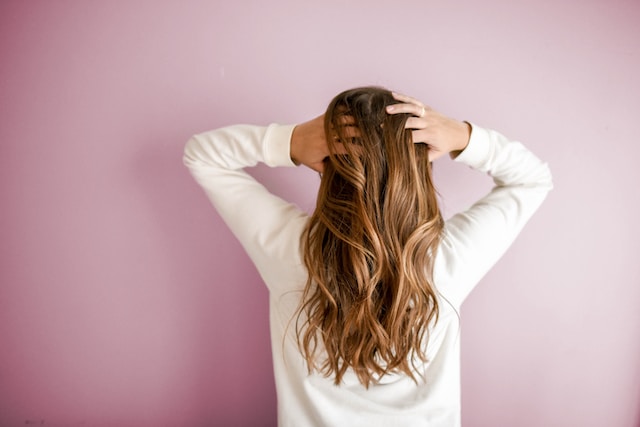
Blonde hair can turn darker for several reasons, including genetics, aging, environmental factors, and medical conditions.
Genetics: Hair color is largely determined by genes inherited from parents. The genes responsible for producing melanin may change over time, leading to a change in hair color. For example, a person with blonde hair may have a gene that produces less eumelanin and more pheomelanin. As they age, the gene may become more active, leading to a shift in hair color towards a darker shade.
Aging: As people age, the amount and type of pigment in their hair follicles can change. Hair may become darker or lighter, and gray or white hairs may appear. This is due to a decrease in melanocyte activity, which produces melanin. As the activity of these cells decreases, the amount of pigment in the hair decreases, resulting in a change in color.
Environmental factors: Exposure to sunlight, chemicals, and pollution can all affect hair color. Sunlight can bleach hair, making it lighter, while exposure to chemicals such as chlorine can cause hair to become darker. Pollution can also damage hair, making it more susceptible to changes in color.
Medical conditions: Certain medical conditions can also cause a change in hair color. For example, thyroid imbalances can cause hair to become brittle and turn darker. Vitiligo, a condition in which the immune system attacks melanocytes, can cause patches of white hair to appear. Additionally, some medications can cause changes in hair color as a side effect.
In the case of blonde hair turning black, there are several possible explanations:
- Genetics: As mentioned earlier, changes in gene expression can lead to a shift in hair color. It is possible that a person with blonde hair has genes that produce more eumelanin, which can become more active over time, leading to darker hair.
- Aging: As people age, the activity of melanocytes decreases, leading to a decrease in the amount of pigment in the hair. This can result in a shift towards a darker shade, even in individuals with naturally blonde hair.
- Environmental factors: Exposure to chemicals or pollution can also cause hair to become darker. For example, if a person with blonde hair regularly swims in a chlorinated pool, the chlorine may react with the melanin in their hair, causing it to become darker.
- Medical conditions: Certain medical conditions, such as thyroid imbalances, can cause changes in hair color. If a person with blonde hair develops a thyroid condition that causes an increase in eumelanin production, their hair may become darker.
It is important to note that changes in hair color are not always cause for concern. However, if the change is sudden or accompanied by other symptoms, such as hair loss or scalp irritation, it is important to consult a doctor. A medical professional can help determine the underlying cause and recommend appropriate treatment.
In conclusion, blonde hair turning black can be caused by a variety of factors, including genetics, aging, environmental factors, and medical conditions. While some changes in hair color are normal, it is important to be aware of any sudden or unusual changes and consult a doctor if necessary.