Snails are known to be slow-moving mollusks that are commonly found in gardens, forests, and other moist habitats. One peculiar trait of snails is their aversion to salt. In fact, exposure to salt can be fatal to snails. This is because the salt has a dehydrating effect on their body, causing them to lose water rapidly and ultimately leading to their demise. But why are snails afraid of salt? There are several reasons why this might be the case.
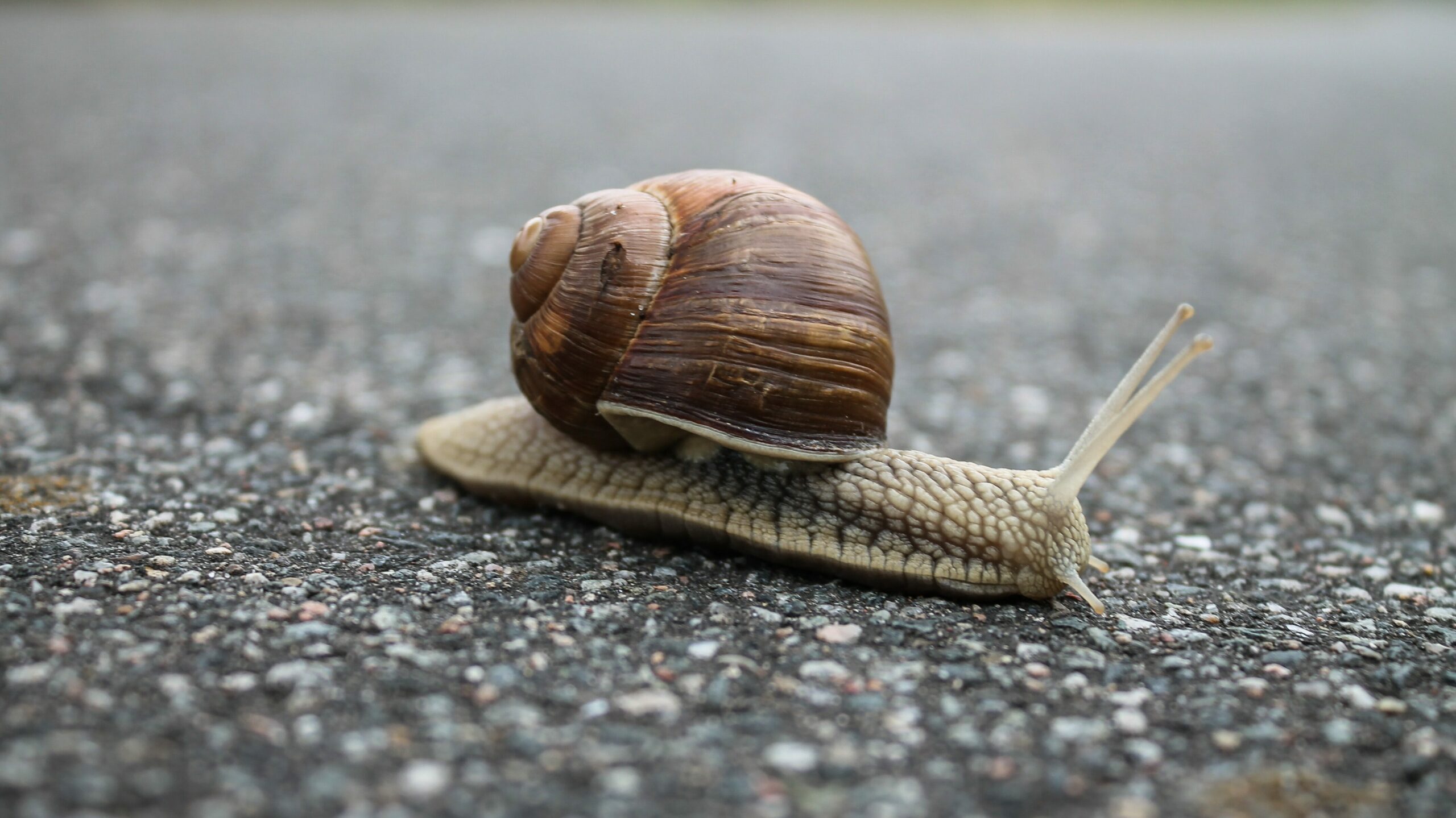
Firstly, snails have a delicate physiology that is easily affected by changes in their environment. Their body is made up mostly of water, and they rely on moisture to keep their skin moist and mucus membrane hydrated. Salt, however, has a drying effect on their bodies, drawing out water and causing dehydration. This can be fatal to snails, as their internal organs begin to shut down without the necessary hydration. Therefore, snails may have evolved to avoid salt as a way to protect themselves from dehydration and maintain their physiological balance.
Secondly, snails use their slime to protect themselves from predators and to help them move around. Their slime is a viscous liquid that acts as a lubricant, allowing them to glide over rough surfaces and protect themselves from sharp objects. However, when snails come into contact with salt, their slime begins to dry up, making it more difficult for them to move and leaving them vulnerable to predators. This can be especially problematic for snails that are living in the wild, where they are constantly exposed to predators such as birds, rodents, and insects.
Thirdly, salt can disrupt the balance of microorganisms that live on the surface of snails’ skin. Snails have a complex microbiome that is made up of various bacteria, fungi, and other microorganisms. These microorganisms play an important role in maintaining the health of the snail’s skin, protecting them from harmful pathogens, and aiding in digestion. However, when snails are exposed to salt, it can disrupt the delicate balance of these microorganisms, leading to the proliferation of harmful bacteria and fungi. This can cause skin infections, which can be fatal to snails.
Fourthly, snails have a highly developed sense of taste and smell. They use their tentacles to detect chemicals in their environment, which allows them to identify potential food sources and avoid toxic substances. Salt has a distinctive taste and smell, and snails may have learned to associate it with danger or toxicity. Therefore, they may instinctively avoid salt as a way to protect themselves from potential harm.
Finally, snails are ectothermic animals, which means that their body temperature is regulated by their environment. They rely on moisture to regulate their body temperature, as water has a high heat capacity and can absorb and release heat without affecting the snail’s body temperature. When snails are exposed to salt, it can cause them to lose moisture, which can lead to a rapid drop in body temperature. This can be fatal to snails, as they are unable to regulate their body temperature in the same way that warm-blooded animals can.
In conclusion, snails are afraid of salt because it can be detrimental to their health and survival. Salt has a drying effect on their bodies, disrupts the balance of their skin microbiome, and can cause a drop in body temperature. It can also make it more difficult for snails to move around and protect themselves from predators. Therefore, snails may have evolved to avoid salt as a way to protect themselves from potential harm.