Wine drunk is often described as a different experience compared to other alcoholic beverages, and this can be attributed to a number of factors, including the chemical composition of wine, the cultural and social context in which it is consumed, and individual differences in metabolism and psychology.
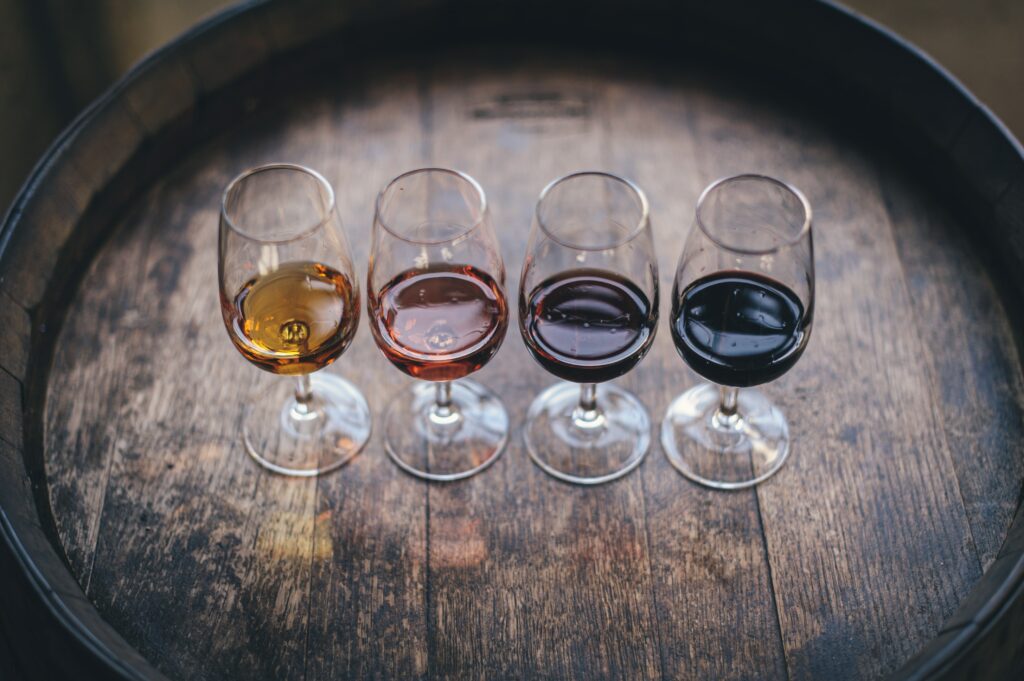
One of the primary factors that contributes to the unique experience of wine drunk is the chemical composition of wine itself. Wine contains a variety of organic compounds, including alcohol, tannins, and a range of aroma compounds. These compounds can interact with one another in complex ways, leading to a unique sensory experience that can be different from other alcoholic beverages.
For example, tannins are a class of organic compounds that are found in grape skins, seeds, and stems, and they are responsible for the bitter and astringent taste that is characteristic of many wines. The presence of tannins in wine can lead to a slower and more prolonged absorption of alcohol into the bloodstream, which can result in a more gradual and sustained feeling of intoxication compared to other alcoholic beverages.
In addition to its chemical composition, the cultural and social context in which wine is consumed can also play a role in shaping the experience of wine drunk. Wine has a long and rich history in many cultures around the world, and it is often associated with sophistication, refinement, and social status. The process of selecting, tasting, and enjoying wine can be seen as an art form, and the rituals and traditions that surround wine consumption can create a unique atmosphere and experience.
Moreover, wine is often consumed in a social setting, such as at a dinner party or wine tasting, which can further enhance the experience of wine drunk. The conviviality and relaxation that often accompany wine consumption can create a sense of community and connection that can contribute to a positive and memorable experience.
Individual differences in metabolism and psychology can also play a role in shaping the experience of wine drunk. Some individuals may be more sensitive to the effects of tannins or other compounds in wine, leading to a more pronounced or unique experience of wine drunk. Additionally, factors such as mood, expectations, and prior experiences with wine can all influence the subjective experience of wine consumption.
It is also worth noting that excessive or irresponsible consumption of wine or any other alcoholic beverage can have negative consequences, including impaired judgment, increased risk of accidents or injury, and long-term health problems. It is important to consume alcohol in moderation and to be aware of the risks associated with excessive consumption.
In conclusion, the experience of wine drunk can be unique and different from other alcoholic beverages due to a variety of factors, including the chemical composition of wine, the cultural and social context in which it is consumed, and individual differences in metabolism and psychology. While wine consumption can be a pleasurable and enjoyable experience, it is important to consume alcohol in moderation and to be aware of the potential risks associated with excessive or irresponsible consumption.