The pronunciation of “Mexico” as “mehico” can be traced back to various linguistic and historical factors. These factors include the evolution of the Spanish language, regional accents, and historical influences from indigenous languages, as well as cultural and social factors.
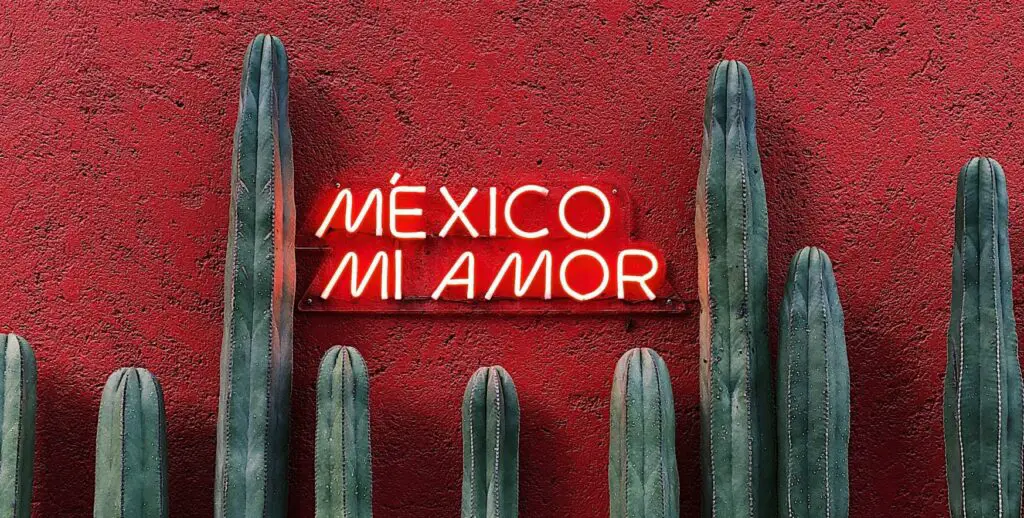
The Spanish language, like any other language, undergoes changes in pronunciation over time due to a variety of factors, including geographical location and historical influences. In the case of Mexico, the pronunciation “mehico” is commonly used in Mexico and other Latin American countries where Spanish is spoken. This pronunciation can be attributed to regional accents that have developed over time in these areas.
In Spanish, the letter “x” can be pronounced differently depending on its position in a word and the regional accent. In some Latin American countries, including Mexico, the letter “x” is often pronounced as “h” or “j” in certain positions. This phenomenon, known as “aspiration,” can also affect other letters, such as “s” or “z.” So, the “x” in “Mexico” may be pronounced as “h” or “j,” resulting in the pronunciation “mehico.”
Furthermore, historical influences from indigenous languages can also play a role in the pronunciation of “Mexico.” Before the arrival of the Spanish in the 16th century, Mexico was inhabited by indigenous peoples who spoke various indigenous languages, such as Nahuatl, Maya, and Zapotec, among others. These languages have had an impact on the Spanish language spoken in Mexico, including its pronunciation. For example, Nahuatl, which was spoken by the Aztecs, has influenced the Spanish spoken in Mexico, including the pronunciation of certain words. The word “Mexico” is believed to have originated from the Nahuatl word “Mēxihco,” which was the name of the Aztec capital, now known as Mexico City. The pronunciation “mehico” may have been influenced by the Nahuatl pronunciation of “Mēxihco,” which had a glottal fricative sound similar to “h.”
Additionally, cultural and social factors can also affect pronunciation. Language is a living organism that evolves with its speakers, and cultural and social influences can shape how people pronounce words. In the case of Mexico, the pronunciation “mehico” may be influenced by cultural and social norms, as well as linguistic pride. Mexicans have a strong sense of national identity and take pride in their language and culture. The pronunciation “mehico” may be considered more “Mexican” or “authentic” by some speakers, and thus, it is used as a marker of identity and pride.
It is also important to note that Spanish, like many other languages, is not a monolithic language, but rather a diverse and dynamic language with many regional variations. Spanish spoken in Mexico may have its own unique features, including pronunciation, vocabulary, and grammar, that differ from Spanish spoken in other countries. The pronunciation “mehico” may simply be one of the regional accents of Spanish spoken in Mexico, similar to how different accents exist in English, such as British English, American English, or Australian English, each with its own unique pronunciation patterns.
In conclusion, the pronunciation of “Mexico” as “mehico” can be attributed to a combination of linguistic and historical factors, including the evolution of the Spanish language, regional accents, historical influences from indigenous languages, and cultural and social factors. These factors have shaped the way “Mexico” is pronounced in Mexico and other Latin American countries where Spanish is spoken. It is important to recognize and appreciate the diversity and complexity of languages and how they evolve over time, reflecting the rich cultural and historical heritage of the people who speak them.