Chemical bonds are formed when atoms share or transfer electrons to achieve a stable electron configuration. The strength of a chemical bond is determined by the type and number of bonds between atoms. In organic chemistry, triple bonds and double bonds are types of covalent bonds, where electrons are shared between atoms. Triple bonds are formed by sharing three pairs of electrons, while double bonds are formed by sharing two pairs of electrons. The strength of a chemical bond depends on several factors, including bond length, bond energy, and bond order, which all contribute to the relative strength of triple bonds compared to double bonds.
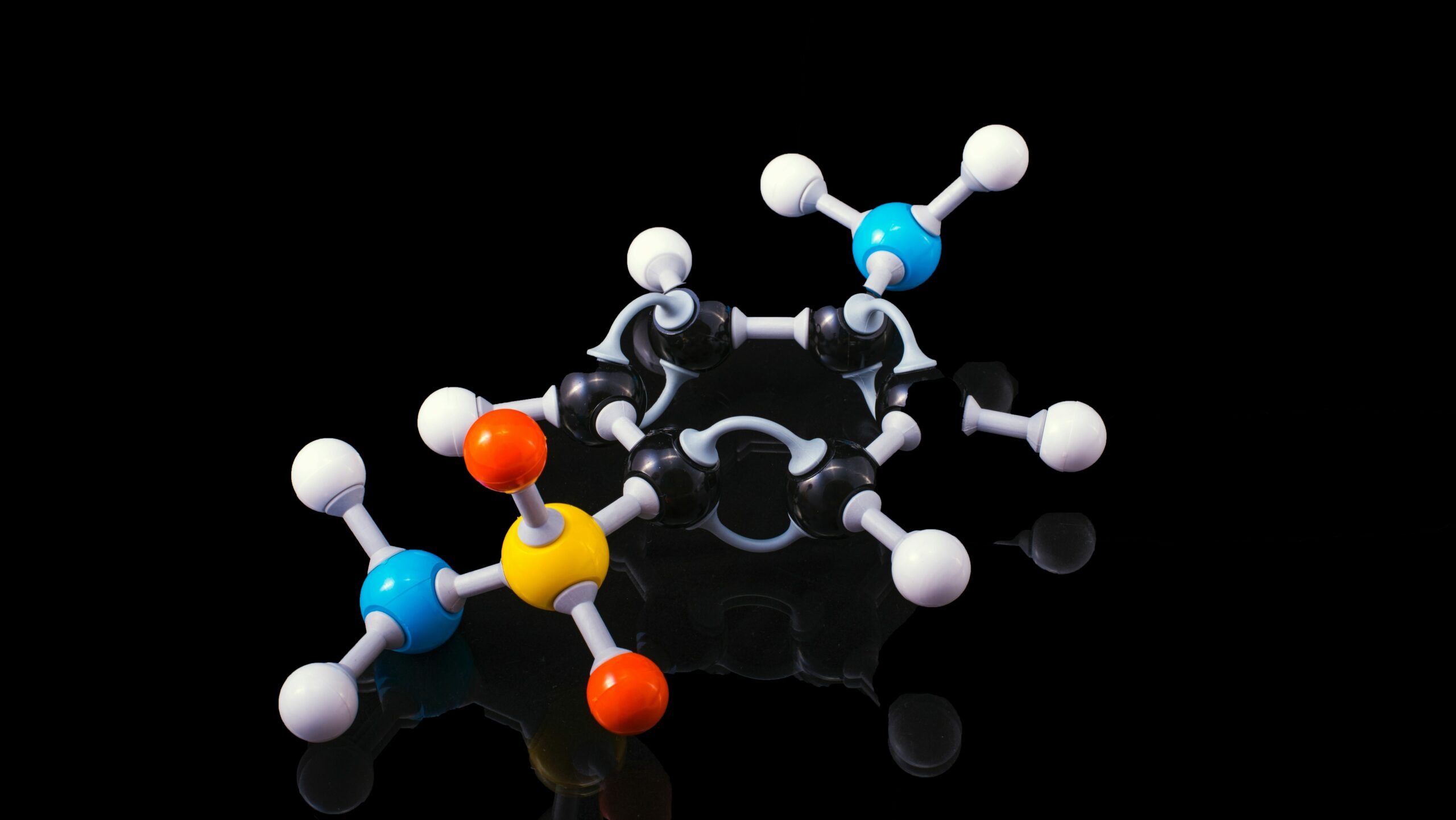
Bond Length: The bond length refers to the distance between the nuclei of two bonded atoms. In general, shorter bond lengths indicate stronger bonds. In triple bonds, the atoms are held closer together compared to double bonds, as they share three pairs of electrons instead of two. The shorter bond length in triple bonds results in stronger attractive forces between the nuclei, making the triple bond stronger than the double bond.
Bond Energy: Bond energy, also known as bond dissociation energy or bond enthalpy, is the energy required to break a chemical bond. Higher bond energy indicates a stronger bond. Triple bonds have higher bond energy compared to double bonds due to the increased number of electron pairs being shared. Breaking a triple bond requires more energy than breaking a double bond, making triple bonds stronger.
Bond Order: Bond order is a measure of the number of chemical bonds between two atoms. It is calculated as the difference between the number of bonding electrons and the number of anti-bonding electrons divided by 2. A higher bond order indicates a stronger bond. In triple bonds, the bond order is 3, as three pairs of electrons are being shared. In double bonds, the bond order is 2, as two pairs of electrons are being shared. The higher bond order in triple bonds compared to double bonds indicates a stronger bond.
Electronic Configuration: Another factor that contributes to the strength of chemical bonds is the electronic configuration of the atoms involved. In triple bonds, each atom typically achieves a full valence electron configuration by sharing three pairs of electrons. This results in a more stable arrangement of electrons, which contributes to the strength of the bond. In contrast, in double bonds, atoms achieve a full valence electron configuration by sharing only two pairs of electrons, which may not be as stable as sharing three pairs of electrons in triple bonds.
Molecular Orbital Theory: Molecular orbital theory is a more advanced concept that describes the bonding in terms of the overlap of atomic orbitals to form molecular orbitals. According to molecular orbital theory, the overlap of p-orbitals in triple bonds is more effective than the overlap of p-orbitals in double bonds. This is because in triple bonds, there are three p-orbitals available for overlapping, leading to the formation of three bonding molecular orbitals and three anti-bonding molecular orbitals. In double bonds, there are only two p-orbitals available for overlapping, resulting in the formation of two bonding molecular orbitals and two anti-bonding molecular orbitals. The greater number of bonding molecular orbitals in triple bonds compared to double bonds contributes to the strength of the triple bond.
Overall, triple bonds are stronger than double bonds due to shorter bond length, higher bond energy, higher bond order, more stable electron configuration, and more effective overlap of molecular orbitals. However, it is important to note that the strength of a chemical bond can also be influenced by other factors, such as electronegativity of atoms, steric effects, and environmental conditions. Understanding the factors that contribute to the strength of chemical bonds, including triple and double bonds, is essential in predicting and explaining the behavior of molecules and reactions in organic chemistry.