Pit bulls are a type of dog that have a reputation for being aggressive and potentially dangerous, which has led to much debate and controversy surrounding the breed. While it is true that some pit bulls have been involved in attacks or incidents of aggression, it is important to recognize that the behavior of any dog, including pit bulls, is shaped by a variety of factors, including genetics, environment, and training.
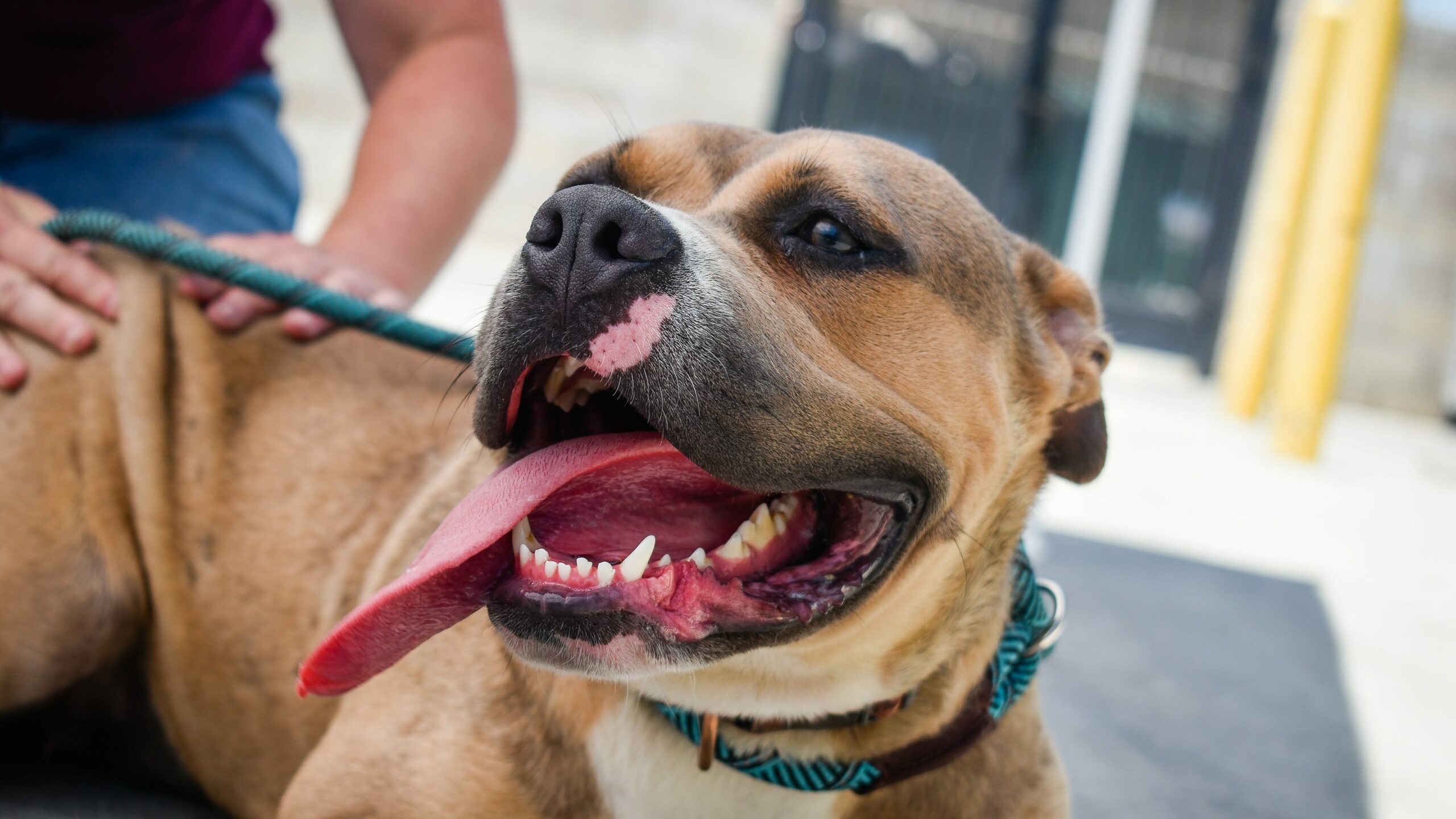
With that said, there are some common reasons why a pit bull, or any dog, might turn on its owner. Here are a few possibilities:
- Lack of socialization: Dogs, like humans, need to be properly socialized in order to develop healthy relationships with others. If a pit bull has not been properly socialized with humans, other dogs, and other animals, it may be more prone to aggressive or defensive behavior, including towards its owner.
- Poor training or abuse: If a pit bull has been trained using aggressive or abusive methods, or has suffered abuse or neglect, it may develop a sense of fear or mistrust towards humans, including its owner. This can lead to unpredictable or aggressive behavior, especially in situations where the dog feels threatened or cornered.
- Medical conditions: Sometimes, a pit bull may become aggressive due to underlying medical conditions that are causing pain, discomfort, or other symptoms. For example, a dog with a dental problem or an ear infection may become more irritable or defensive than usual. It is important for dog owners to regularly monitor their pet’s health and behavior, and to seek veterinary care if they suspect that something is wrong.
- Protective instincts: Dogs, including pit bulls, are known for their strong protective instincts, which can be triggered by a variety of stimuli, including perceived threats to their territory, family, or possessions. In some cases, a pit bull may become aggressive towards its owner or other family members if it perceives them as a threat to its safety or the safety of its territory.
- Fear or anxiety: Finally, it is important to recognize that dogs, like humans, can experience fear or anxiety in certain situations. If a pit bull feels threatened or scared, it may react with aggressive or defensive behavior as a way of protecting itself. Similarly, if a pit bull is suffering from anxiety or stress, it may lash out in unpredictable ways, including towards its owner.
In conclusion, there are many different factors that can contribute to a pit bull, or any dog, turning on its owner. While some pit bulls have been involved in incidents of aggression or attacks, it is important to recognize that these cases are often the result of a combination of genetic, environmental, and behavioral factors. Dog owners can help to prevent aggressive behavior in their pets by providing proper socialization, training, and veterinary care, and by avoiding the use of abusive or aggressive training methods. It is also important for owners to recognize the signs of fear, anxiety, or aggression in their pets, and to seek professional help if they are concerned about their pet’s behavior.