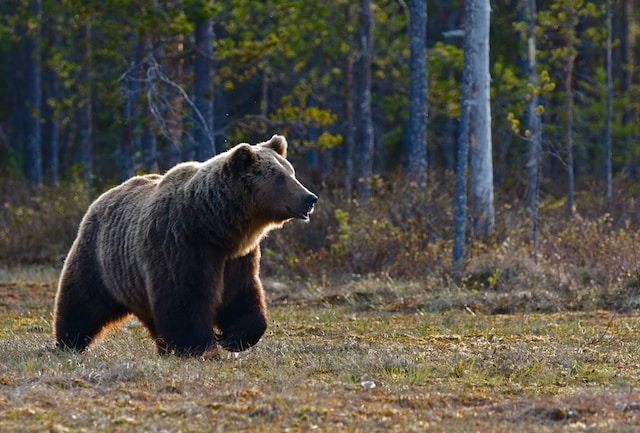
Grizzly bears are among the largest predators in North America and are known for their incredible strength and speed. They can weigh up to 600 pounds and stand over 6 feet tall on their hind legs. Given their size and power, it is not surprising that many people wonder whether a shotgun would be effective in stopping a grizzly bear attack.
The answer to this question is not straightforward, as there are several factors that can influence the effectiveness of a shotgun against a grizzly bear. In this answer, we will discuss the different types of shotguns and ammunition available, as well as the factors that can impact their effectiveness against a grizzly bear.
Types of Shotguns and Ammunition
There are several types of shotguns and ammunition available, each with its own strengths and weaknesses. When it comes to stopping a grizzly bear, there are a few key factors to consider:
- Gauge: Shotguns come in different gauges, which refers to the diameter of the shotgun’s bore. The most common gauges are 12, 20, and 410. Generally speaking, a larger gauge will produce more power and have a greater stopping potential. A 12-gauge shotgun is the most common choice for bear defense, as it offers the greatest power and stopping potential.
- Barrel Length: The length of the shotgun’s barrel can also impact its effectiveness. Longer barrels generally produce greater accuracy and velocity, which can increase the likelihood of hitting a vital organ and stopping the bear. However, longer barrels can be more difficult to maneuver in tight spaces, which can be a disadvantage in some situations.
- Ammunition: There are several types of ammunition available for shotguns, including birdshot, buckshot, and slugs. Birdshot is not recommended for bear defense, as it lacks the power and penetration needed to stop a bear. Buckshot can be effective, but it is generally recommended to use slugs for bear defense, as they offer greater power and penetration.
Factors That Impact Shotgun Effectiveness
While a shotgun can be an effective tool for stopping a grizzly bear, there are several factors that can impact its effectiveness. These include:
- Distance: Shotguns are most effective at close range, typically within 10 to 20 yards. At longer distances, the shotgun’s pellets will spread out, reducing their power and penetration.
- Shot Placement: The effectiveness of a shotgun depends heavily on shot placement. A well-placed shot to the bear’s vitals (heart, lungs, or brain) can stop the bear quickly, while a poorly placed shot may not have the desired effect. This requires careful aim and knowledge of the bear’s anatomy.
- Bear Size and Anger: The size and temperament of the bear can also impact the shotgun’s effectiveness. A larger bear will require more power to stop, while an angry or charging bear may require more precise shot placement to be effective.
- Shotgun Type and User Skill: The type of shotgun and ammunition used, as well as the user’s skill level, can also impact the shotgun’s effectiveness. A high-quality shotgun with powerful ammunition, in the hands of a skilled user, is more likely to stop a bear than a lower-quality shotgun with weaker ammunition.
Conclusion
In conclusion, while a shotgun can be effective in stopping a grizzly bear attack, there are several factors that can impact its effectiveness. These include the type of shotgun and ammunition used, as well as the distance, shot placement, bear size and temperament, and the user’s skill level.