The use of bleach for pest control, including the eradication of roaches, can pose potential risks and may not be an effective or safe solution. It’s important to follow appropriate pest control practices and consider the potential health and safety concerns associated with the use of bleach or any other chemical product.
Bleach, also known as sodium hypochlorite, is a strong and corrosive chemical commonly used as a disinfectant and cleaning agent. It is effective in killing many types of bacteria, viruses, and fungi on hard surfaces, and it can also bleach or remove stains. However, while bleach may be effective in some applications, it may not be the best option for controlling roaches or other pests.
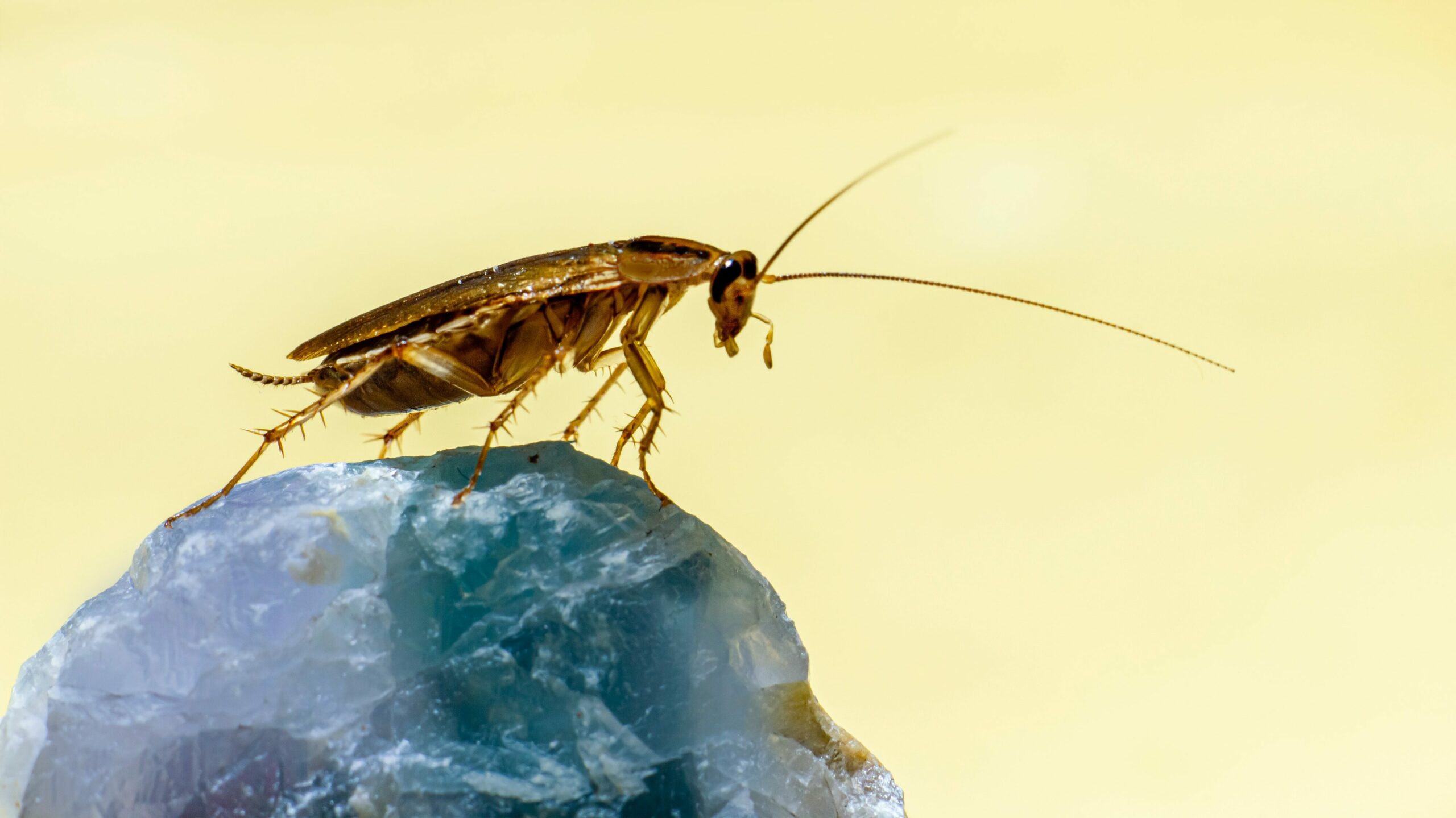
Roaches, also known as cockroaches, are common household pests that can carry diseases, trigger allergies, and contaminate food and surfaces. Effective roach control typically involves integrated pest management (IPM) practices, which focus on using a combination of strategies to prevent, monitor, and control pests with the least amount of risk to human health and the environment.
Using bleach as a roach control method has several limitations and potential risks, including:
- Ineffectiveness against hidden roaches: Roaches are known to hide in dark and hard-to-reach areas, such as behind walls, under appliances, or in cracks and crevices. Bleach, when applied as a surface disinfectant, may not effectively reach these hidden areas where roaches are likely to reside.
- Health and safety concerns: Bleach is a strong and corrosive chemical that can be harmful to humans, pets, and the environment. It can cause skin, eye, and respiratory irritation, and its fumes can be hazardous when inhaled. Using bleach for pest control may require careful handling, proper ventilation, and the use of personal protective equipment (PPE), such as gloves and goggles, to prevent exposure and minimize risks.
- Environmental concerns: Bleach can have negative impacts on the environment when not used properly. It can be toxic to aquatic life and may contribute to water pollution when released into drains or water bodies. Additionally, the use of bleach for pest control may not be in line with sustainable and environmentally-friendly pest management practices.
- Resistance development: Overreliance on a single chemical, such as bleach, for pest control can potentially lead to the development of resistance in pests, including roaches. Roaches are known to adapt and develop resistance to various pesticides, including chemical disinfectants like bleach, which can render them ineffective in the long run.
- Lack of long-term control: Even if bleach is effective in killing roaches upon contact, it may not provide long-term control. Roaches are known to reproduce rapidly, and a single treatment with bleach may not eliminate an entire infestation. Integrated pest management (IPM) practices, which focus on a combination of strategies, such as sanitation, exclusion, and the use of targeted pest control products, are often more effective for long-term roach control.
In conclusion, while bleach may have some disinfectant properties and can be effective in certain applications, it is not recommended as a standalone method for roach control. The use of bleach for pest control can pose potential risks to human health, the environment, and may not provide effective long-term control. It’s important to follow appropriate pest management practices, including integrated pest management (IPM) principles, and consider using safer and more sustainable pest control methods. Consulting with a professional pest control service or a qualified expert in pest management is always recommended for effective and safe roach control practices.