The idea of bringing back extinct species, including dinosaurs, has long captured the imagination of scientists and the public alike. While there have been several attempts to bring extinct species back to life through genetic engineering and cloning, the question of whether dinosaurs will ever come back is a complex and controversial one.
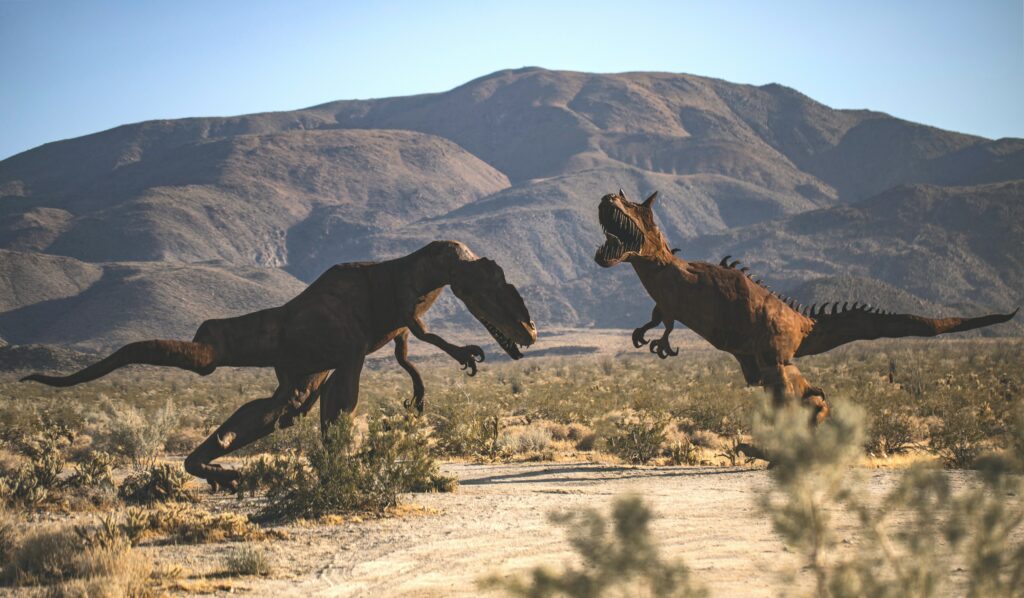
Dinosaurs first appeared on Earth around 230 million years ago and dominated the planet for over 160 million years before going extinct around 66 million years ago, likely as a result of a catastrophic asteroid impact. Since then, dinosaurs have been gone from the Earth, and their fossilized remains have provided scientists with a wealth of information about these fascinating creatures.
In recent years, advances in genetic engineering and cloning have led some scientists to speculate about the possibility of bringing back extinct species, including dinosaurs. The idea of resurrecting dinosaurs has been popularized in movies such as Jurassic Park, which portrayed a fictional version of the process of cloning dinosaurs from preserved DNA.
However, the reality of bringing back dinosaurs is much more complex than what is depicted in science fiction. One major challenge is obtaining viable dinosaur DNA. DNA degrades over time, and after millions of years, it is unlikely that any intact dinosaur DNA would remain. While scientists have recovered fragments of DNA from dinosaur fossils, the chances of finding enough intact DNA to recreate a dinosaur are slim.
Even if scientists were able to obtain intact dinosaur DNA, there are still several other challenges to overcome. For example, the genetic makeup of a dinosaur is vastly different from that of any living organism, making it difficult to find a suitable surrogate mother for a cloned dinosaur embryo. Additionally, many of the habitats and ecological niches that dinosaurs once occupied no longer exist, so it is unclear how well they would adapt to modern ecosystems.
Another approach that scientists have explored is using genetic engineering to create animals that are similar to dinosaurs, rather than recreating actual dinosaurs. For example, scientists have used genetic engineering to create “chickenosaurus,” which are chickens that have been modified to express certain traits of dinosaurs, such as long tails and snouts. While these animals are not true dinosaurs, they provide valuable insights into the genetic basis of dinosaur traits and behaviors.
While the idea of bringing back dinosaurs is exciting, it is important to consider the ethical implications of doing so. Some scientists and ethicists argue that bringing back extinct species, including dinosaurs, could have unintended consequences for modern ecosystems. For example, introducing a predator like a Tyrannosaurus rex into a modern ecosystem could upset the delicate balance of that ecosystem and potentially cause harm to existing species.
Additionally, there are concerns about the welfare of the cloned animals themselves. Cloning is a complex and often unreliable process, and it is unclear how well cloned animals would fare in the wild. It is also unclear whether bringing back extinct species is a wise use of resources, given the many pressing environmental challenges facing the world today.
In conclusion, while the idea of bringing back dinosaurs is intriguing, it is unlikely that we will ever see living dinosaurs again. The challenges of obtaining viable dinosaur DNA and finding suitable surrogates for cloned embryos, as well as the ethical considerations of reintroducing extinct species into modern ecosystems, make it a complex and controversial endeavor. However, the study of dinosaurs and their fascinating history can continue to provide valuable insights into the evolution and ecology of life on Earth, both past and present.