Cryptocurrency prices are subject to various factors, including market demand, investor sentiment, regulatory changes, technological advancements, and macroeconomic conditions, which are highly unpredictable and can change rapidly.
It’s important to note that cryptocurrency markets are known for their inherent volatility, and prices can fluctuate significantly within a short period of time. Therefore, making any specific price prediction for XRP or any other cryptocurrency is speculative and carries a high level of risk.
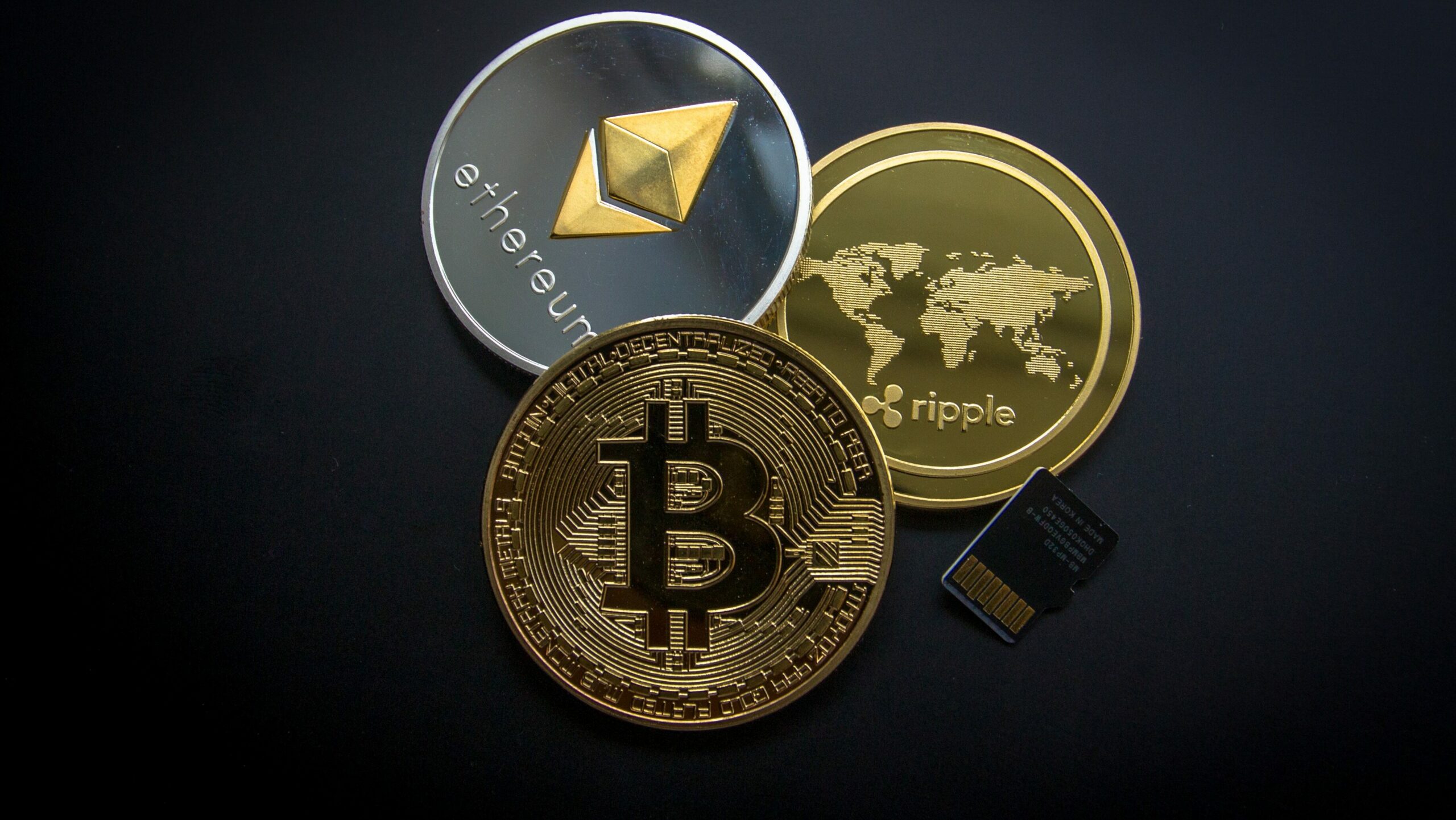
XRP, also known as Ripple, is a digital currency that is designed for use on the Ripple network, which is a real-time gross settlement system and remittance network. It is primarily used for facilitating cross-border transactions and is often considered as a bridge currency for converting one currency to another. However, XRP has faced regulatory challenges in some jurisdictions, which have impacted its price and market dynamics.
In the past, XRP has experienced significant price movements, reaching all-time highs and lows at different points in time. However, predicting whether XRP will reach $1000 is highly speculative and depends on a multitude of factors.
Firstly, market demand and investor sentiment play a crucial role in determining the price of XRP. If there is a significant increase in demand for XRP due to increased adoption by businesses and financial institutions, it could potentially drive up the price. Similarly, positive sentiment among investors about the potential of XRP and its use cases could also contribute to price appreciation. However, negative sentiment or lack of demand could lead to price stagnation or decline.
Secondly, regulatory changes can significantly impact the price of XRP. Ripple, the company behind XRP, has been involved in legal disputes with the U.S. Securities and Exchange Commission (SEC) over whether XRP should be classified as a security. The outcome of these legal battles could have a substantial impact on XRP’s price and market dynamics. Any adverse regulatory decision or uncertainty around the regulatory status of XRP could negatively affect its price.
Thirdly, technological advancements and competition within the cryptocurrency ecosystem can also influence XRP’s price. The cryptocurrency market is highly dynamic, with new technologies and projects constantly emerging. If XRP faces increased competition from other cryptocurrencies or if there are technological advancements that provide better solutions for cross-border payments, it could potentially impact XRP’s demand and price.
Moreover, macroeconomic conditions, such as global economic stability, inflation, and monetary policies, can also have an indirect impact on cryptocurrency prices, including XRP. Cryptocurrencies are often viewed as an alternative investment or hedge against traditional financial assets, and changes in macroeconomic factors can influence investor sentiment and capital flows into the cryptocurrency markets.
It’s also important to note that XRP, like other cryptocurrencies, does not have any intrinsic value and its price is solely determined by supply and demand dynamics in the market. XRP has a fixed maximum supply of 100 billion tokens, with a significant portion held by Ripple, the company behind XRP. The release of additional tokens into the market, changes in token distribution, or changes in Ripple’s holdings of XRP could also impact its price.
In conclusion, predicting whether XRP will reach $1000 or any other specific price is highly speculative and subject to a multitude of factors, including market demand, investor sentiment, regulatory changes, technological advancements, macroeconomic conditions, and token dynamics. Cryptocurrency prices are inherently volatile, and investing in cryptocurrencies carries a high level of risk. It’s important to conduct thorough research, seek professional advice, and carefully assess your risk tolerance before making any investment decisions.