Yeast is a crucial ingredient in bread-making, responsible for fermentation and the rise of the dough. Understanding how yeast works can greatly enhance your baking skills.
This guide covers the types of yeast, their functions, and tips for using them effectively in your recipes.
Understanding Yeast in Bread Making
Yeast plays a vital role in the art of baking bread. This tiny organism is responsible for the fermentation process that transforms simple ingredients into a delightful loaf.
When yeast ferments sugars, it produces carbon dioxide and alcohol, which causes the dough to rise. This process is essential for achieving that perfect airy texture we all love in freshly baked bread.
Types of Yeast
There are several types of yeast available for baking, each with its own unique characteristics. Active dry yeast, instant yeast, and fresh yeast are the most common varieties.
Active dry yeast requires activation in warm water before use, while instant yeast can be mixed directly into dry ingredients. Fresh yeast, though less common, offers a robust flavor and is often favored by professional bakers.
Preparing the Dough
The process of making bread begins with combining warm water, sugar, and yeast to activate it. This mixture should sit for about 5-10 minutes until it becomes frothy, indicating that the yeast is alive and ready to work.
Next, flour and salt are mixed in a large bowl, followed by the yeast mixture. This combination forms the basis of your dough, which will soon become a delicious loaf.
Kneading and Rising
Kneading is a crucial step in developing the gluten structure of the dough. By turning the dough onto a floured surface and kneading for 8-10 minutes, you create a smooth and elastic texture.
After kneading, the dough needs to rise. Place it in a greased bowl, cover it with a damp cloth, and let it rest in a warm area until it doubles in size, which usually takes about 1-2 hours.
Shaping and Second Rise
Once the dough has risen, it’s time to shape it into a loaf or rolls. After shaping, allow the dough to rise again until it doubles in size, which typically takes 30-60 minutes.
This second rise is essential for achieving the desired fluffiness in your bread, ensuring that it has a light and airy interior.
Baking the Bread
Preheat your oven to 375°F (190°C) before placing the dough inside. Bake for 25-30 minutes until the bread turns golden brown and sounds hollow when tapped.
The aroma of freshly baked bread will fill your kitchen, making it hard to resist slicing into that warm loaf. Serve it with butter for a delightful treat that pairs perfectly with any meal.
Essential Information on Yeast for Baking
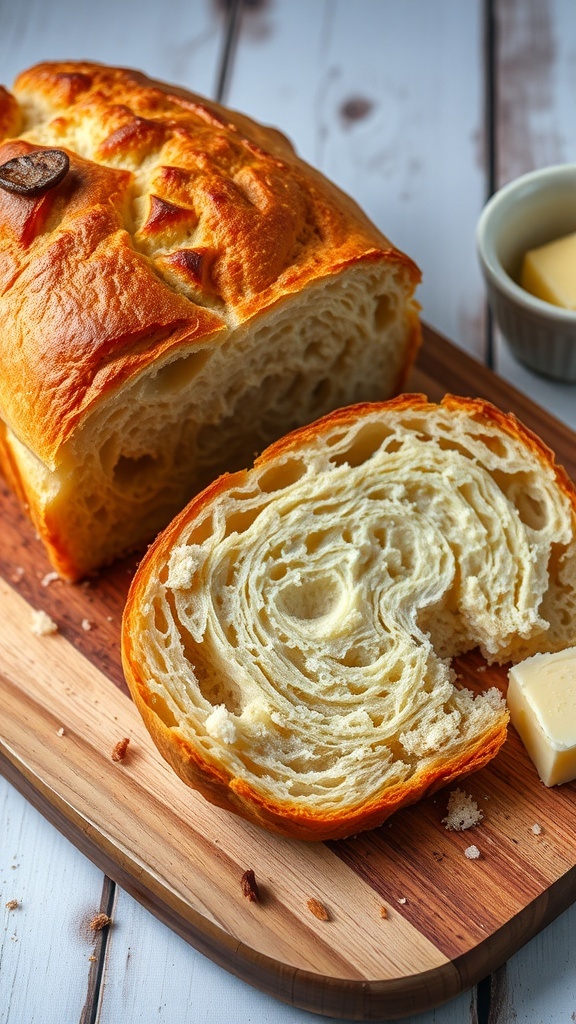
Yeast is a living organism that ferments sugars, producing carbon dioxide and alcohol, which causes dough to rise. There are several types of yeast, including active dry yeast, instant yeast, and fresh yeast, each with unique properties and uses.
Ingredients
- 1 packet (2 1/4 teaspoons) active dry yeast or instant yeast
- 1 cup warm water (110°F to 115°F)
- 1 tablespoon sugar (to feed the yeast)
- 4 cups all-purpose flour (or as needed)
- 1 teaspoon salt
Instructions
- Activate the Yeast: In a small bowl, combine warm water, sugar, and yeast. Let it sit for about 5-10 minutes until frothy.
- Mix the Dough: In a large bowl, combine flour and salt. Add the yeast mixture and mix until a dough forms.
- Knead the Dough: Turn the dough onto a floured surface and knead for about 8-10 minutes until smooth and elastic.
- First Rise: Place the dough in a greased bowl, cover with a damp cloth, and let it rise in a warm place until doubled in size, about 1-2 hours.
- Shape and Second Rise: Punch down the dough, shape it into a loaf or rolls, and let it rise again until doubled, about 30-60 minutes.
- Bake: Preheat the oven to 375°F (190°C). Bake the bread for 25-30 minutes until golden brown and sounds hollow when tapped.
Cook and Prep Times
- Prep Time: 15 minutes
- Cook Time: 30 minutes
- Total Time: 2 hours 15 minutes
- Servings: 1 loaf
- Calories: 120kcal per slice
- Fat: 1g
- Protein: 4g
- Carbohydrates: 24g