Yeast is a type of fungus that plays a crucial role in baking, brewing, and fermentation. Observing yeast cells under a microscope reveals their unique structure and characteristics, which are essential for their function in various biological processes. A single baker’s yeast cell is only about 5 to 10 micrometers long, far too small to see with the naked eye, so you do need a microscope; at around 400x magnification the oval cells and their buds are easy to see.
This article provides a detailed overview of yeast cell morphology, including the cell wall, cytoplasm, and nucleus, along with tips for preparing yeast samples for microscopic examination.
Understanding Yeast Cell Structure
Yeast cells are fascinating organisms that exhibit a variety of shapes and growth stages. Typically oval or round, these cells can be seen in different phases of budding, which is a form of asexual reproduction. This unique characteristic allows them to multiply rapidly under favorable conditions.
The structure of yeast cells is composed of several key components. The cell wall, primarily made of chitin and glucan, provides essential support and protection. Inside, the cytoplasm contains various organelles, including mitochondria, which are vital for energy production, and vacuoles that play roles in storage and waste management. The nucleus, which houses the genetic material, is crucial for the cell’s reproduction and function.
Preparing Yeast Samples for Observation
To observe yeast cells effectively, proper preparation of the samples is necessary. Start by dissolving a small amount of yeast in distilled water to create a suspension. This step ensures that the cells are evenly distributed and can be easily viewed under the microscope.
Once the yeast suspension is ready, place a drop on a microscope slide. It’s important to avoid air bubbles during this process, as they can obstruct the view. After placing the drop, carefully add a cover slip over it. This will protect the sample and allow for clearer observation.
Microscopic Observation Techniques
When observing yeast cells, begin with a low power objective on the microscope. This will help locate the cells easily. Once they are in view, switch to a higher power objective for a more detailed examination of their structures.
If desired, applying a staining solution, such as methylene blue, can enhance the visibility of the cells. It also shows which cells are alive: living yeast breaks the dye down and stays pale, while dead cells stain blue.
Scientific Significance of Yeast Cells
Yeast plays a vital role in various biological processes, particularly in baking, brewing, and fermentation. Understanding yeast cell structure is essential for microbiologists and those in related fields, as it provides insights into how these organisms function and thrive.
Moreover, yeast is a significant source of B vitamins and protein, contributing to nutritional benefits in the human diet. Its ability to ferment sugars into alcohol and carbon dioxide is harnessed in many industries, making it a subject of great interest in both scientific research and practical applications.
Exploring the Laboratory Environment
Laboratories filled with glassware and scientific equipment are where most yeast research in microbiology takes place. This environment is where scientists conduct experiments and observations that lead to a deeper understanding of yeast and its applications.
In this setting, the meticulous work of preparing samples and observing them under the microscope becomes a gateway to discovering the intricate details of yeast cell biology. Each observation can lead to new findings that may impact various fields, from food science to biotechnology.
Conclusion: The Importance of Yeast in Science
Yeast cells, with their unique morphology and reproductive capabilities, are more than just microorganisms; they are integral to many scientific and industrial processes. Observing them under a microscope not only reveals their fascinating structures but also highlights their significance in our daily lives.
As research continues to evolve, the study of yeast cells will undoubtedly uncover more about their roles in nature and their potential benefits to humanity. Through careful observation and experimentation, the mysteries of these tiny organisms continue to unfold.
Understanding Yeast Cell Structure
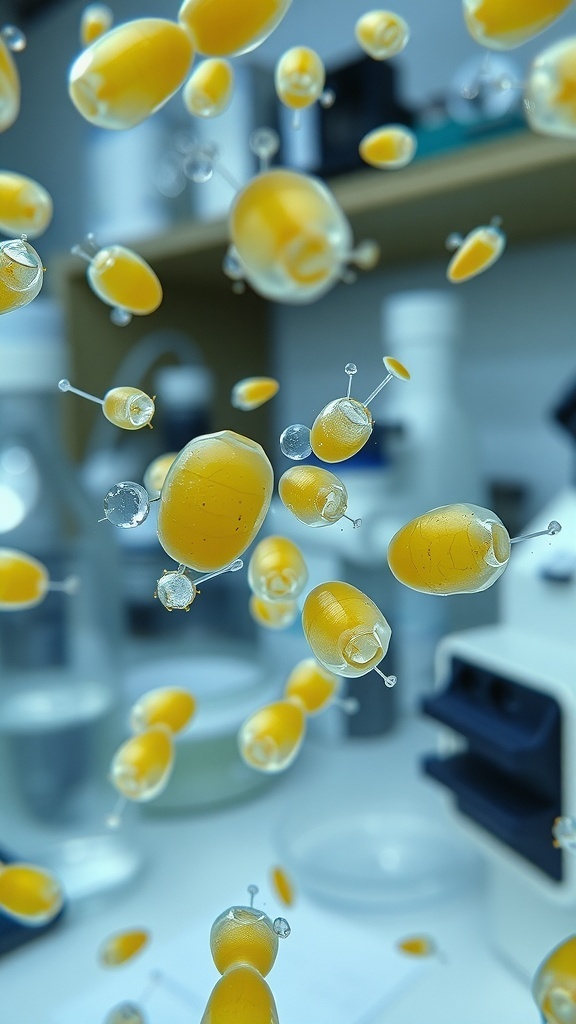
Yeast cells are typically oval or round in shape and can be observed in various stages of growth, including budding. The cell wall is composed of chitin and glucan, providing structural support. The cytoplasm contains organelles such as mitochondria and vacuoles, while the nucleus houses the genetic material.
Ingredients
- Yeast sample (active dry or fresh)
- Microscope
- Microscope slides
- Cover slips
- Dropper or pipette
- Distilled water
- Staining solution (optional, e.g., methylene blue)
Instructions
- Prepare the Yeast Sample: Dissolve a small amount of yeast in distilled water to create a suspension.
- Prepare the Slide: Place a drop of the yeast suspension on a microscope slide.
- Add a Cover Slip: Carefully place a cover slip over the drop to avoid air bubbles.
- Observe Under the Microscope: Start with a low power objective to locate the yeast cells, then switch to a higher power for detailed observation.
- Optional Staining: If desired, apply a drop of staining solution to enhance visibility of cell structures before placing the cover slip.
Cook and Prep Times
- Prep Time: 5 minutes
- Observation Time: Variable depending on detail desired
- Nutritional Benefits: Yeast is a source of B vitamins and protein, contributing to a balanced diet.