Yeast infections in dogs are common and can affect various parts of the body, including the skin, ears, and paws. These infections are caused by an overgrowth of yeast, typically from the Malassezia species, which is normally present on the skin.
Understanding the causes and recognizing the symptoms of yeast infections can help in seeking timely treatment and ensuring your dog’s comfort.
Understanding Yeast Infections in Dogs
Yeast infections can be a source of discomfort for dogs, often leading to noticeable signs of distress.
Common symptoms include persistent itching, redness, and an unpleasant odor emanating from the affected areas.
These infections typically arise from an overgrowth of yeast, particularly from the Malassezia species, which is usually found on the skin.
Recognizing Symptoms
When a dog is suffering from a yeast infection, it may exhibit various symptoms that can be concerning for pet owners.
In addition to itching and redness, dogs may shake their heads frequently or scratch at their ears, indicating irritation.
Observing these behaviors can be crucial for early detection and treatment.
Veterinary Consultation
If you suspect that your dog has a yeast infection, it is essential to consult a veterinarian for an accurate diagnosis.
A thorough examination will help determine the presence of yeast and any underlying issues that may be contributing to the infection.
Veterinarians can provide a tailored treatment plan to address the specific needs of your pet.
Treatment Options
Effective treatment for yeast infections often involves antifungal medications prescribed by a veterinarian.
In some cases, medicated shampoos may be recommended to treat the affected areas topically.
Maintaining proper hygiene is also vital; keeping your dog’s skin clean and dry can prevent future infections.
Monitoring and Ongoing Care
After initiating treatment, it’s important to monitor your dog’s symptoms closely.
If any changes occur or if symptoms persist, a follow-up appointment with the veterinarian may be necessary.
Regular check-ups can help ensure that your dog remains healthy and comfortable.
Dietary Considerations
Diet can play a significant role in managing yeast infections in dogs.
If allergies are suspected, dietary changes may be recommended to support skin health.
Consulting with your veterinarian about appropriate dietary adjustments can be beneficial in preventing future infections.
Understanding Yeast Infections in Dogs
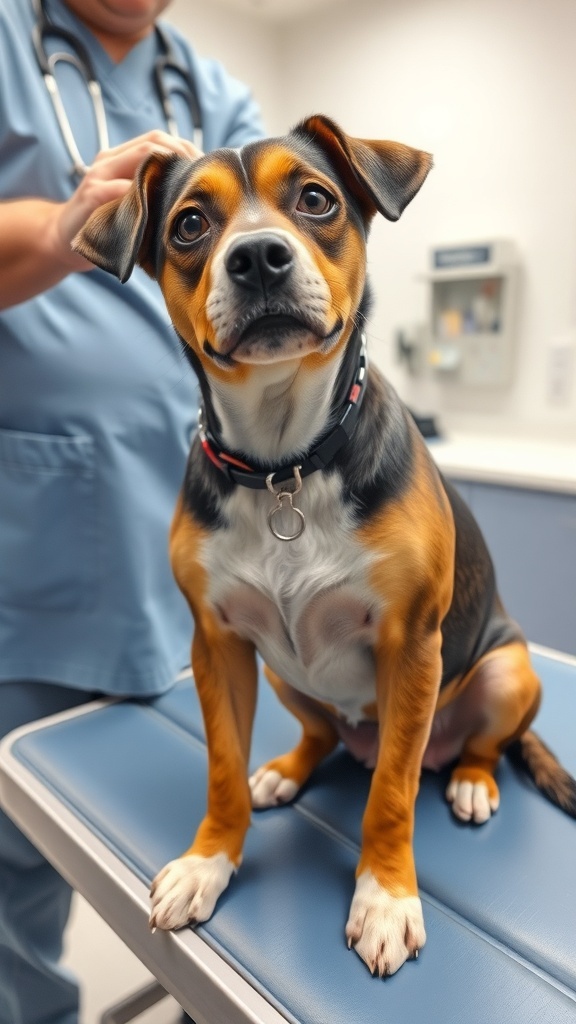
Yeast infections can lead to discomfort and irritation for your dog. Common symptoms include itching, redness, and a foul odor. Treatment often involves antifungal medications and addressing underlying issues such as allergies or skin conditions.
Ingredients
- Antifungal medications prescribed by a veterinarian
- Medicated shampoos for topical treatment
- Dietary changes if allergies are suspected
- Regular cleaning of affected areas
Instructions
- Consult a Veterinarian: If you suspect your dog has a yeast infection, schedule an appointment for a proper diagnosis.
- Follow Treatment Plan: Administer prescribed medications and use medicated shampoos as directed by your veterinarian.
- Maintain Hygiene: Keep your dog’s skin clean and dry, especially in warm, humid conditions.
- Monitor Symptoms: Keep an eye on your dog’s symptoms and report any changes to your veterinarian.
Cook and Prep Times
- Prep Time: N/A
- Treatment Duration: Varies based on severity, typically 1-4 weeks
- Total Time: Ongoing care
- Dietary Considerations: Consult with your veterinarian for appropriate dietary changes to support skin health.