Yeast infections in dogs can cause discomfort and irritation, often affecting the skin, ears, and paws. Common symptoms include itching, redness, and a foul odor. It’s essential to address these infections promptly to ensure your dog’s comfort and health.
This guide provides practical treatment options, including home remedies and veterinary advice, to help you manage yeast infections effectively.
Understanding Yeast Infections in Dogs
Yeast infections can be a common issue for dogs, often leading to discomfort and irritation. These infections typically manifest in the skin, ears, and paws, causing symptoms such as itching, redness, and unpleasant odors.
Recognizing the signs early is crucial for effective treatment. A visit to the veterinarian can help confirm the diagnosis and initiate a proper treatment plan tailored to your dog’s needs.
Signs and Symptoms to Watch For
When it comes to yeast infections, some symptoms are more noticeable than others. Dogs may exhibit excessive scratching or rubbing of their ears, which can indicate irritation.
In addition to physical signs, you might notice a distinct odor emanating from the affected areas. Keeping an eye on your dog’s behavior can help you catch these infections early.
Consulting Your Veterinarian
Scheduling an appointment with a veterinarian is essential for diagnosing a yeast infection. During the visit, the vet will conduct a thorough examination, often focusing on the ears, skin, and paws.
Veterinarians can provide insights into the best treatment options, which may include topical treatments, dietary changes, and medications. Following their recommendations is vital for your dog’s recovery.
Effective Treatment Options
Managing yeast infections typically involves a combination of treatments. Antifungal shampoos or wipes are often recommended to help eliminate the infection.
Incorporating home remedies, such as diluted apple cider vinegar or coconut oil, can provide additional relief. These natural options can be beneficial in conjunction with veterinary advice.
Dietary Adjustments for Better Health
Diet plays a significant role in your dog’s overall health and can impact yeast infections. Adding probiotics to your dog’s diet can support gut health, which is essential for fighting infections.
Omega-3 fatty acids are another important addition, as they can help reduce inflammation and promote skin health. Discussing dietary changes with your vet can lead to a more effective treatment plan.
Monitoring and Follow-Up Care
After starting treatment, it’s important to monitor your dog’s symptoms closely. Keep track of any changes in behavior or physical condition.
If symptoms persist or worsen, follow up with your veterinarian. Ongoing communication is key to ensuring your dog receives the best possible care throughout the treatment process.
Effective Treatment Options for Yeast Infections in Dogs
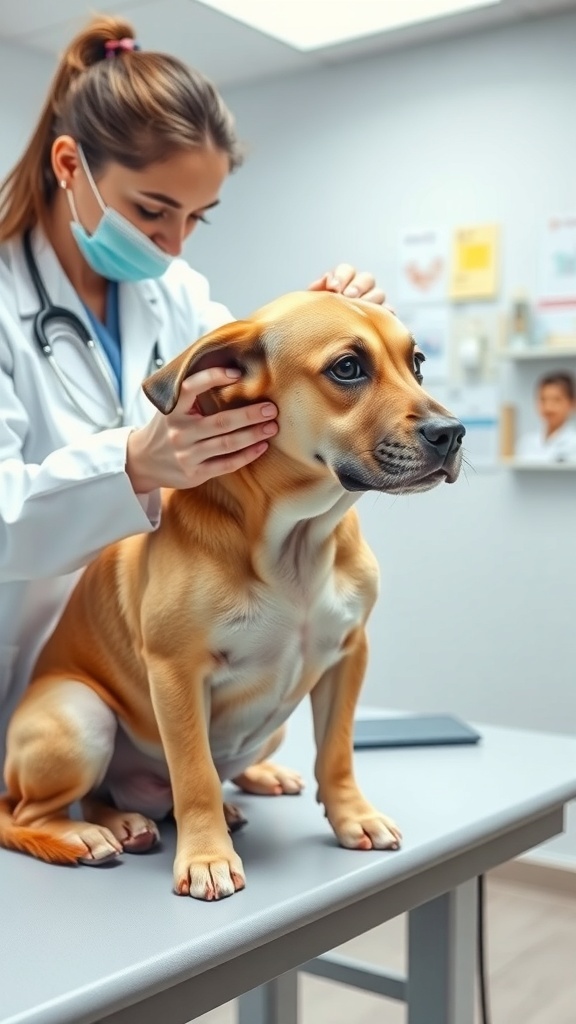
Treating yeast infections in dogs typically involves a combination of topical treatments, dietary adjustments, and possibly medications prescribed by a veterinarian. It’s important to consult with a vet for a proper diagnosis and treatment plan tailored to your dog’s specific needs.
Ingredients
- Antifungal shampoos or wipes recommended by a veterinarian
- Apple cider vinegar diluted with water for topical application
- Coconut oil for its antifungal properties
- Probiotics to support gut health
- Omega-3 fatty acids to reduce inflammation
Instructions
- Consult a Veterinarian: Schedule an appointment to confirm the diagnosis and discuss treatment options.
- Apply Topical Treatments: Use antifungal shampoos or wipes as directed by your vet. Ensure to cover all affected areas.
- Use Home Remedies: Consider applying diluted apple cider vinegar or coconut oil to the affected areas for additional relief.
- Adjust Diet: Incorporate probiotics and omega-3 fatty acids into your dog’s diet to support overall health and reduce inflammation.
- Monitor Progress: Keep an eye on your dog’s symptoms and follow up with your vet if there is no improvement or if symptoms worsen.
Cook and Prep Times
- Prep Time: 5 minutes
- Treatment Duration: Varies based on severity
- Total Time: Ongoing monitoring and treatment
- Servings: As needed based on treatment
- Calories: N/A
- Fat: N/A
- Protein: N/A
- Carbohydrates: N/A