The yeast overgrowth diet focuses on reducing the intake of sugars and refined carbohydrates that can promote the growth of yeast in the body. This diet is often recommended for individuals experiencing symptoms related to yeast overgrowth, such as bloating, fatigue, and digestive issues.
By emphasizing whole foods, lean proteins, healthy fats, and low-sugar fruits and vegetables, this diet aims to restore balance and support overall health.
Understanding the Yeast Overgrowth Diet
The yeast overgrowth diet is tailored to help individuals combat symptoms associated with yeast overgrowth, such as bloating and fatigue.
This dietary approach emphasizes the reduction of sugars and refined carbohydrates, which are known to fuel yeast proliferation in the body.
By focusing on whole foods and nutrient-dense options, the diet aims to restore balance and promote overall well-being.
Key Components of the Diet
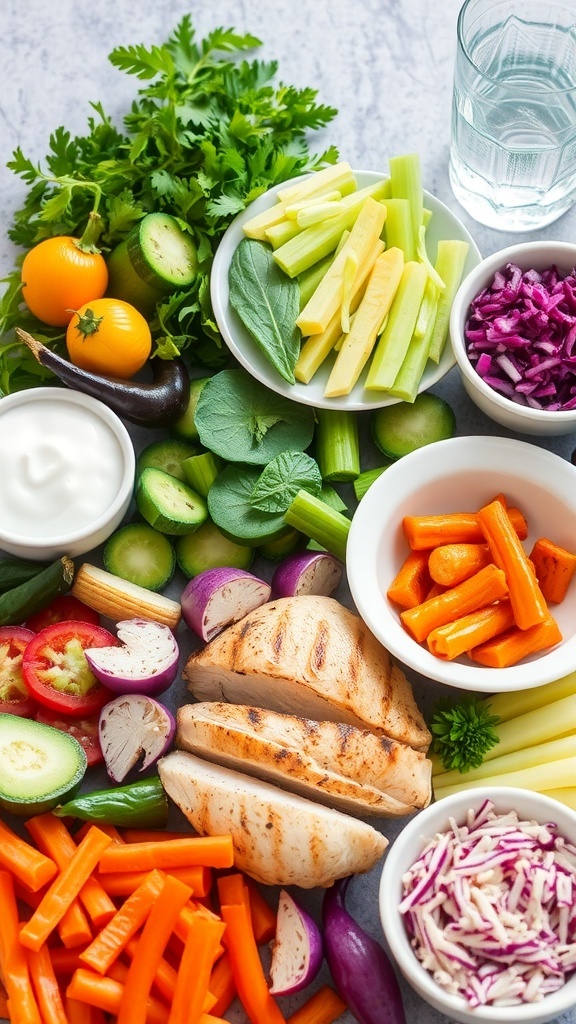
Central to this diet are non-starchy vegetables, which provide essential vitamins and minerals while keeping carbohydrate intake low.
Vegetables like spinach, broccoli, and zucchini are excellent choices, offering a colorful array of nutrients without the sugar load.
Incorporating lean proteins, such as grilled chicken or turkey, ensures that the body receives adequate protein for muscle repair and energy.
The Role of Fermented Foods
Fermented foods play a significant role in supporting gut health, which is crucial for individuals dealing with yeast overgrowth.
Foods like sauerkraut, kimchi, and yogurt are rich in probiotics, promoting a healthy balance of gut bacteria.
Including these foods in your meals can enhance digestion and boost the immune system, making them a vital part of this dietary plan.
Hydration and Fresh Herbs
Staying hydrated is essential when following a yeast overgrowth diet.
Drinking plenty of water and herbal teas helps flush out toxins and supports overall health.
Fresh herbs, such as garlic, ginger, and turmeric, not only add flavor but also provide additional health benefits, making meals more enjoyable and nutritious.
Meal Preparation Tips
Preparing meals in advance can help maintain adherence to the yeast overgrowth diet.
Focus on batch cooking non-starchy vegetables and lean proteins to have ready-to-eat options throughout the week.
Incorporating a variety of herbs and spices can keep meals exciting and flavorful, ensuring that healthy eating remains enjoyable.
Creating a Balanced Plate
A balanced plate for a yeast overgrowth diet should include a colorful array of vegetables, a serving of lean protein, and a portion of fermented food.
This not only provides a range of nutrients but also supports digestive health.
By making mindful choices and prioritizing whole foods, individuals can effectively manage yeast overgrowth and enhance their overall health.
Guidelines for a Yeast Overgrowth Diet
This diet plan encourages the elimination of foods that may contribute to yeast proliferation, including sugary snacks, white bread, and processed foods. Instead, it promotes nutrient-dense options that help maintain gut health and support the immune system.
Ingredients
- Non-starchy vegetables (e.g., spinach, broccoli, zucchini)
- Lean proteins (e.g., chicken, turkey, fish)
- Healthy fats (e.g., olive oil, avocado, nuts)
- Low-sugar fruits (e.g., berries, green apples)
- Fermented foods (e.g., sauerkraut, kimchi, yogurt)
- Herbs and spices (e.g., garlic, ginger, turmeric)
Instructions
- Eliminate high-sugar foods: Remove all forms of sugar, including sweets, desserts, and sugary beverages from your diet.
- Avoid refined carbohydrates: Cut out white bread, pasta, and other processed grains that can spike blood sugar levels.
- Focus on whole foods: Prioritize fresh vegetables, lean proteins, and healthy fats in your meals.
- Incorporate fermented foods: Add sources of probiotics to your diet to support gut health.
- Stay hydrated: Drink plenty of water and herbal teas to help flush out toxins.
Cook and Prep Times
- Prep Time: Varies based on meal preparation
- Cook Time: Varies based on recipes
- Total Time: Ongoing dietary change
- Servings: Varies based on individual meal plans
- Calories: Varies based on food choices
- Fat: Varies based on fat sources
- Protein: Varies based on protein sources
- Carbohydrates: Low to moderate, depending on vegetable choices