Yeast powder, commonly known as instant yeast or dry yeast, is a vital ingredient in baking that helps dough rise. It is a type of leavening agent that ferments sugars in the dough, producing carbon dioxide gas that causes the dough to expand and become light and airy.
This guide provides essential information on yeast powder, including its uses, storage, and tips for successful baking.
Understanding Yeast Powder
Yeast powder, often referred to as instant yeast or dry yeast, plays a crucial role in baking. This leavening agent ferments sugars present in the dough, producing carbon dioxide gas that causes the dough to rise.
Available in forms like active dry yeast and instant yeast, it is essential for creating light and airy baked goods. Proper storage in a cool, dry place can significantly extend its shelf life, ensuring it remains effective for your baking needs.
Key Ingredients for Successful Baking
To achieve the best results when using yeast powder, a few key ingredients are necessary. These include:
- Yeast powder (active dry or instant)
- Sugar (to activate the yeast)
- Flour (the foundation for your baked goods)
- Salt (for flavor enhancement)
- Water (to hydrate the mixture)
Each ingredient plays a vital role in the overall texture and flavor of the final product. The balance between these components is essential for successful baking.
Activating Yeast Powder
When using active dry yeast, it is important to activate it properly. This involves dissolving the yeast in warm water along with a pinch of sugar. Allow it to sit for about 5-10 minutes until it becomes frothy. This process ensures that the yeast is alive and ready to work its magic in your dough.
For instant yeast, there is no need for activation; it can be mixed directly with dry ingredients. Understanding the differences between these types can help streamline your baking process.
Kneading and Rising Dough
Once the yeast is activated, combine it with flour, salt, and other ingredients as per your recipe. Kneading the dough until it becomes smooth and elastic is a crucial step. This process develops the gluten, which contributes to the structure of the baked goods.
After kneading, allow the dough to rise in a warm environment until it doubles in size. This rising period is essential for achieving the desired texture in your baked items.
Shaping and Final Rise
After the initial rise, shape the dough according to your recipe’s instructions. This could involve forming loaves, rolls, or other shapes. Once shaped, let the dough rise again before baking. This final rise is important for achieving the perfect volume and texture.
Each recipe may vary in terms of rising times, but typically, this stage can take anywhere from 1 to 2 hours. Patience during this process pays off with delicious results.
Storage Tips for Yeast Powder
To maintain the effectiveness of yeast powder, proper storage is key. Keep it in an airtight container in a cool, dry place. If you purchase yeast in bulk, consider dividing it into smaller portions to minimize exposure to air and moisture.
Always check the expiration date before use, as expired yeast may not perform well, leading to disappointing baking results. With the right care, your yeast powder can remain a reliable ingredient for all your baking endeavors.
Understanding Yeast Powder
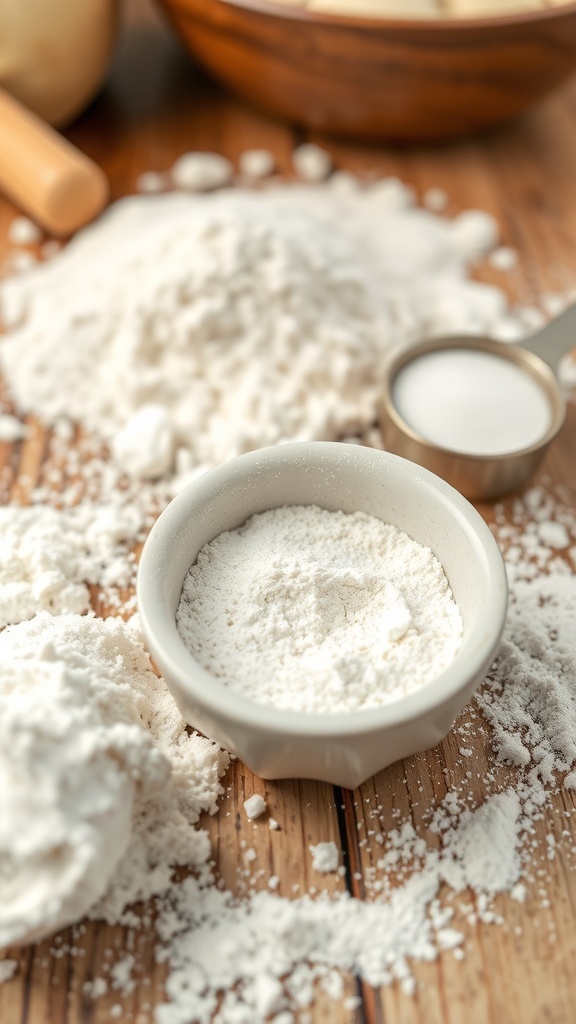
Yeast powder is available in various forms, including active dry yeast and instant yeast. It is typically used in bread, rolls, and other baked goods to achieve a desirable texture and volume. Proper storage in a cool, dry place can extend its shelf life, ensuring optimal performance in recipes.
Ingredients
- Yeast powder (active dry or instant)
- Sugar (to activate yeast)
- Flour (for baking)
- Salt (for flavor)
- Water (for hydration)
Instructions
- Measure the yeast powder according to your recipe’s requirements.
- If using active dry yeast, activate it by dissolving it in warm water with a pinch of sugar and letting it sit for about 5-10 minutes until frothy.
- Combine the activated yeast with flour, salt, and other ingredients as per your recipe.
- Knead the dough until smooth and elastic, then allow it to rise in a warm environment until doubled in size.
- Shape the dough and let it rise again before baking according to your recipe.
Cook and Prep Times
- Prep Time: 5 minutes
- Rising Time: 1-2 hours (depends on recipe)
- Total Time: Varies by recipe
- Servings: Varies by recipe
- Calories: Approximately 10 calories per teaspoon
- Fat: 0g
- Protein: 1g
- Carbohydrates: 2g