Raisins are often touted as a natural remedy for constipation, and there is some evidence to support this claim. Constipation is a common condition that affects people of all ages, and it is characterized by infrequent bowel movements, difficulty passing stool, and hard, dry stool. There are many potential causes of constipation, including a low-fiber diet, dehydration, medication use, and certain medical conditions. However, if you are experiencing constipation, adding raisins to your diet may provide some relief.
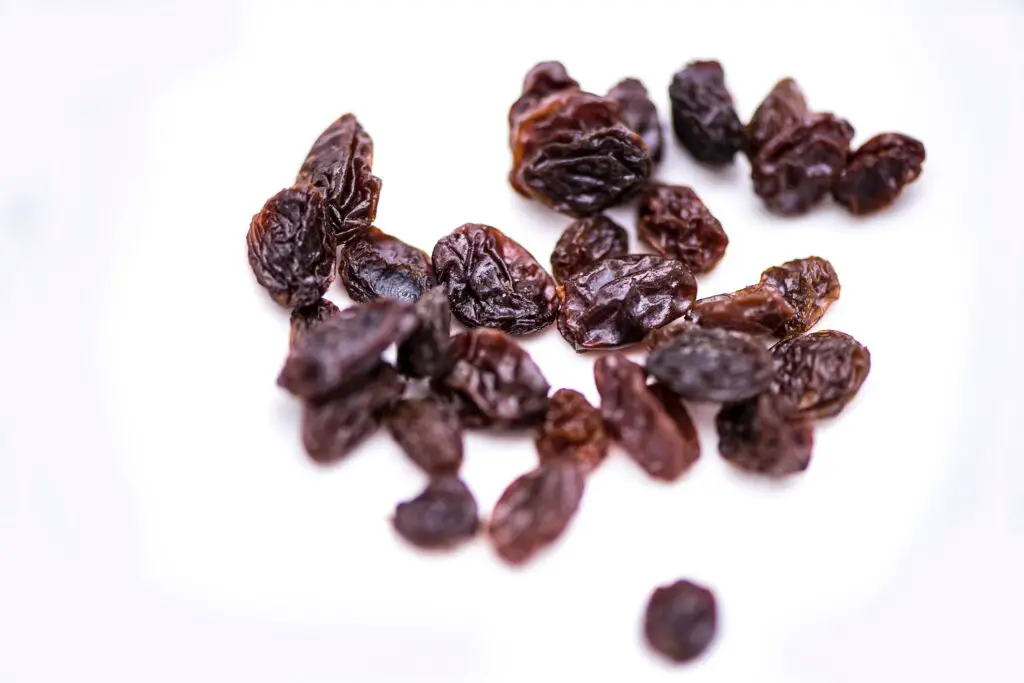
Raisins are dried grapes and are a good source of fiber, which is an important nutrient for digestive health. Fiber helps to keep stool soft and easy to pass, which can alleviate constipation. One cup of raisins contains about 7 grams of fiber, which is more than 25% of the recommended daily intake for adults. Additionally, raisins contain a natural laxative called sorbitol, which can help to stimulate bowel movements.
There have been several studies examining the effects of raisins on constipation. In one study, 20 elderly patients with chronic constipation were given raisins daily for 4 weeks. The study found that raisin consumption led to an increase in bowel movements, improved stool consistency, and a decrease in laxative use. Another study looked at the effects of raisins in children with constipation. The study found that raisins improved bowel function and decreased the need for laxatives.
It’s worth noting that while raisins can be an effective natural remedy for constipation, they may not work for everyone. The effectiveness of raisins may depend on the individual’s diet, lifestyle, and underlying medical conditions. Additionally, eating too many raisins can cause gastrointestinal distress, such as bloating, gas, and diarrhea. It’s important to consume raisins in moderation and to drink plenty of water when eating them to avoid these side effects.
In addition to raisins, there are other natural remedies that may help to relieve constipation. These include:
- Increasing fiber intake: Eating more fruits, vegetables, and whole grains can help to increase fiber intake and promote regular bowel movements.
- Staying hydrated: Drinking plenty of water can help to soften stool and make it easier to pass.
- Exercising regularly: Physical activity can help to stimulate bowel movements and improve overall digestive health.
- Trying natural laxatives: Certain foods, such as prunes, figs, and flaxseed, contain natural laxatives that can help to relieve constipation.
In conclusion, raisins are a good source of fiber and a natural laxative, and they may be an effective remedy for constipation. However, they should be consumed in moderation and in conjunction with other lifestyle changes, such as increasing fiber intake, staying hydrated, exercising regularly, and trying other natural laxatives. If you are experiencing chronic constipation, it’s important to speak with your healthcare provider to rule out any underlying medical conditions and to determine the best course of treatment for you.