Christianity has a tradition of monks, who lead an ascetic or contemplative way of life, focused on spiritual practices like prayer, meditation, and study. The practice of Christian monasticism dates back to the early days of the Church when hermits lived in solitude in the desert. The most renowned of these early Christian hermits was Saint Anthony of Egypt. The monastic way of life later spread throughout the Christian world, with monks and nuns living in self-sufficient communities, known as monasteries. These communities provided for their physical and spiritual needs and became centers of scholarship and learning.
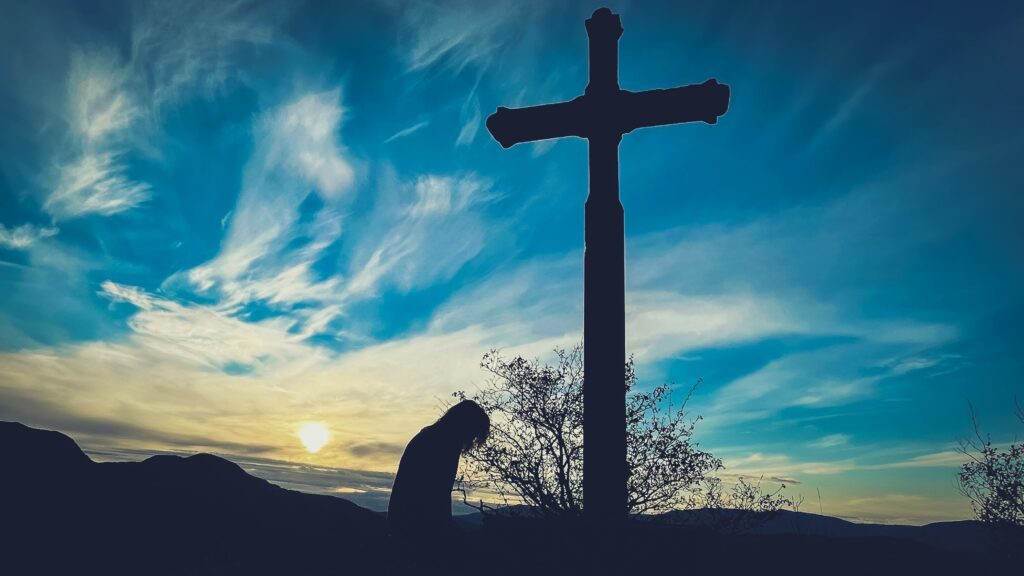
Monks are devoted to living a life of poverty, chastity, and obedience. They renounce personal possessions, commit to celibacy, and submit to the authority of their community and religious superiors. Monks follow a disciplined and structured life, engaging in prayer multiple times a day, participating in daily Mass, and engaging in spiritual reading and meditation. They also engage in manual labor and acts of charity, such as providing shelter and food for the poor and needy.
In recent times, newer forms of Christian monasticism have emerged, including the Taize community in France, which promotes Christian unity through prayer and worship. This modern monastic community has attracted many young people seeking a deeper spiritual experience.
Christian monasticism has had a significant impact on the Christian Church throughout history, and continues to inspire individuals to pursue a more profound spiritual life.