The production of sperm, also known as spermatogenesis, is a continuous process that occurs in the testes of males from puberty until old age. Sperm production is essential for reproduction as sperm are the male reproductive cells that are required for fertilization of the female egg. In this article, we will explore the process of sperm production and estimate the total amount of sperm a man may produce in his lifetime.
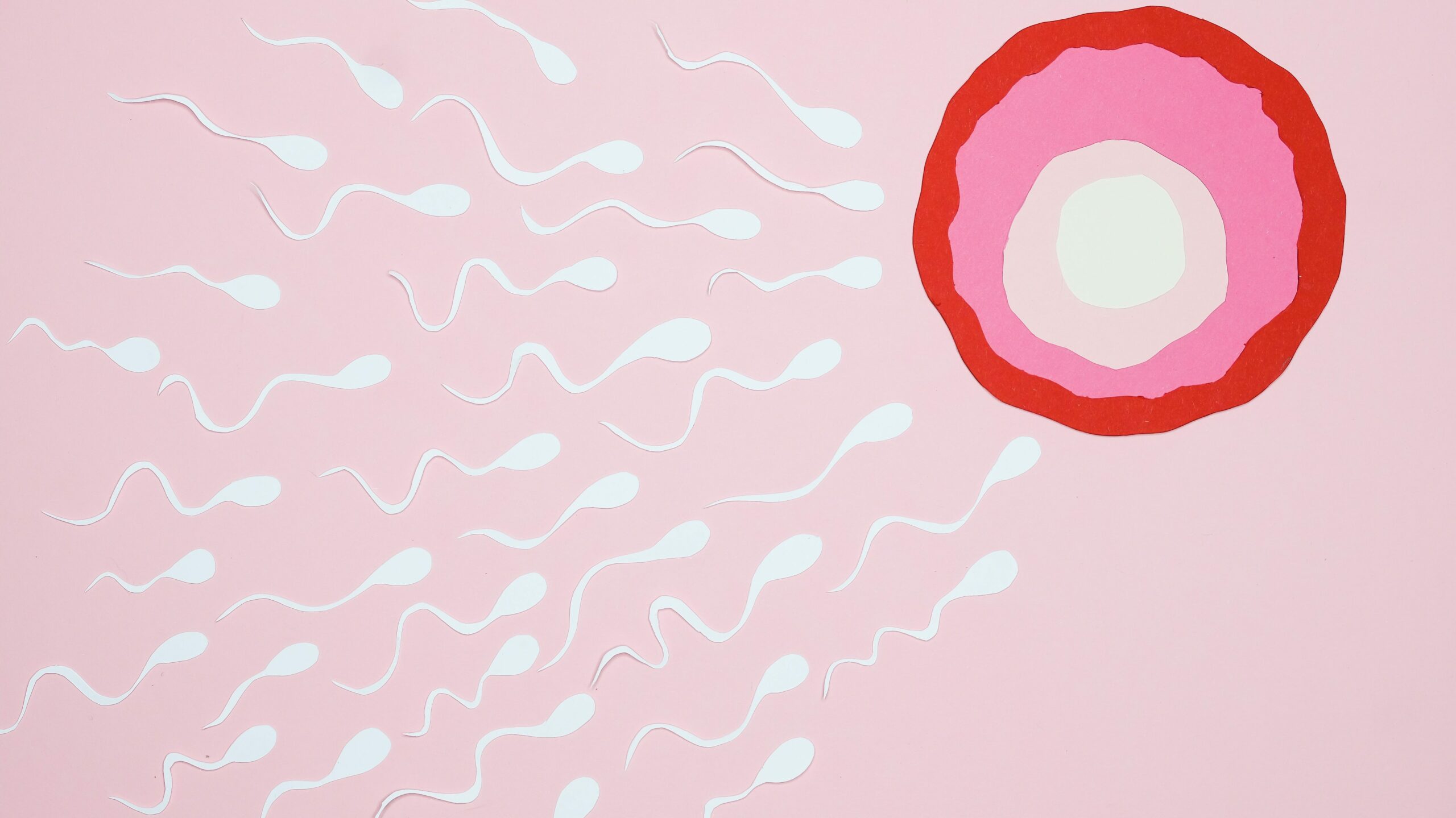
Spermatogenesis begins at puberty when the testes start producing sperm cells through a complex process of cell division and differentiation. Spermatogonia, which are the precursor cells, undergo several rounds of cell division to produce spermatocytes. Spermatocytes then undergo further division to produce spermatids, which mature into sperm cells through a process called spermiogenesis. The mature sperm cells are then released into the epididymis, where they undergo maturation and storage until they are ejaculated during sexual intercourse.
The rate of sperm production varies among individuals and can be influenced by various factors such as genetics, hormonal levels, health, and lifestyle. On average, it is estimated that the human body produces millions of sperm cells per day. However, not all sperm cells are capable of fertilizing an egg as they need to meet certain criteria in terms of motility, morphology, and viability to be considered healthy and capable of fertilization.
It’s important to note that the production of sperm declines with age. As men get older, the quantity and quality of sperm may decrease, which can affect fertility. However, men can continue to produce sperm throughout their lifetime, even in their later years.
Estimating the total amount of sperm a man may produce in his lifetime is challenging due to individual variability and the lack of concrete data. However, some rough estimates can be made based on the average daily sperm production rate and the number of years of reproductive age.
Assuming an average daily sperm production rate of millions of sperm cells per day, and a reproductive age that starts around 12-14 years of age and extends until 50-60 years of age, a man may produce billions to trillions of sperm cells in his lifetime. However, it’s important to note that not all sperm cells will survive or be ejaculated, and the actual number of sperm that may have the potential to fertilize an egg may be much lower.
It’s also worth mentioning that the quality of sperm, including factors such as motility, morphology, and DNA integrity, can greatly impact fertility. Even though a man may produce a large number of sperm cells in his lifetime, not all of them may have the ability to fertilize an egg and result in a successful pregnancy. Various factors such as lifestyle choices (e.g., smoking, excessive alcohol consumption), environmental factors (e.g., exposure to toxins), and medical conditions (e.g., infections, hormonal imbalances) can affect sperm quality and reduce the chances of successful fertilization.
In conclusion, the production of sperm is a continuous process that occurs in the testes of males from puberty until old age. The actual amount of sperm a man may produce in his lifetime can vary greatly depending on individual factors and reproductive age. While the estimated number of sperm produced may be in the billions to trillions, it’s important to consider that not all sperm cells may be healthy or capable of fertilizing an egg. Factors such as sperm quality, lifestyle choices, environmental exposures, and medical conditions can greatly impact fertility, and it’s advisable for individuals or couples facing fertility concerns to seek medical advice from qualified healthcare professionals.